nonsense — words or ideas that are foolish or meaningless
Part of speech: NOUN
Definition: words or ideas that are foolish or meaningless
Pronunciation (IPA): /ˈnɑːnsens/
Example Sentences
- My little brother believes that eating carrots will give him superpowers - what nonsense!
- The teacher said my excuse for being late was complete nonsense.
- Don't listen to him - he's talking nonsense about aliens living in his refrigerator.
nonsense
NOUN[/ˈnɑːnsens/]
words or ideas that are foolish or meaningless

💡 Concept
words or ideas that are foolish or meaningless
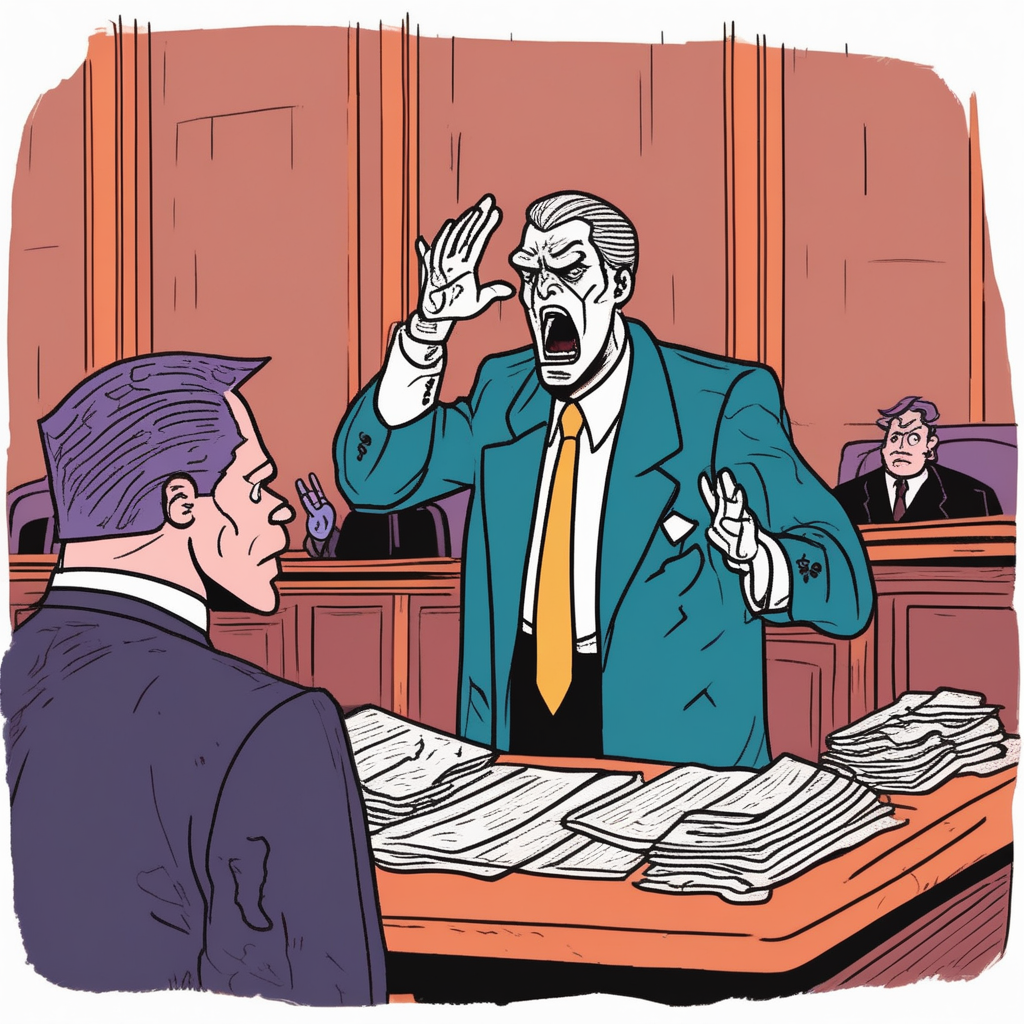
🎵 Rhyme
His defense is pure nonsense, but delivered so intense!
Got the picture? Now let's practice.
🎤Pronunciation
🇺🇸 US/ˈnɑːnsens/
🇬🇧 UK/ˈnɒnsəns/
🌳Etymology
Prefixnon--
Rootsense
🎵Rhyme
defenseexpenseintense
defense
expense
intense
🔗Collocations
talk nonsense
complete nonsense
utter nonsense
absolute nonsense
pure nonsense
nonsense verse
📝Examples
😄 Fun example
“My little brother believes that eating carrots will give him superpowers - what nonsense!”
“The teacher said my excuse for being late was complete nonsense.”
😄 Fun example
“Don't listen to him - he's talking nonsense about aliens living in his refrigerator.”
“The politician's promises were dismissed as pure nonsense by the media.”
📚Related Words
Synonyms
rubbishgarbagebalderdashgibberishdrivel
Antonyms
senselogicwisdom
Related
foolishnessabsurdityridiculousmeaningless
Want to master 19,000+ words?
Sign up free for flashcards & quizzes.