ironic — expressing dry humor through words that suggest the opposite of their literal meaning
Part of speech: ADJECTIVE
Definition: expressing dry humor through words that suggest the opposite of their literal meaning
Pronunciation (IPA): /aɪˈrɑːnɪk/
Example Sentences
- It's ironic that the gym instructor is out of breath after climbing one flight of stairs.
- How ironic that the anti-technology activist became famous through social media.
- She made an ironic remark about his 'perfect' timing when he arrived three hours late.
ironic
ADJECTIVE[/aɪˈrɑːnɪk/]
expressing dry humor through words that suggest the opposite of their literal meaning
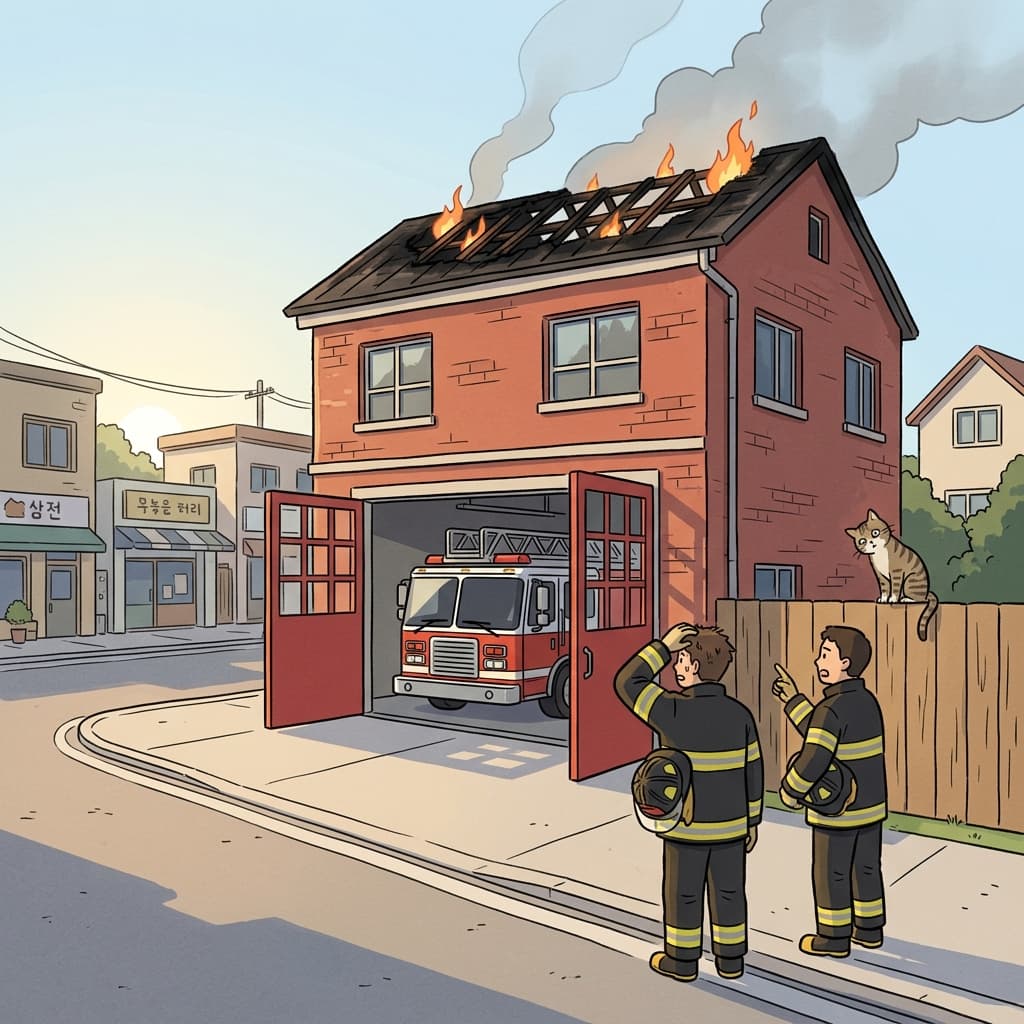
It's ironic that the fire station burned down last night.
Got the picture? Now let's practice.
🎤Pronunciation
🌳Etymology
Origin
From Greek 'eironeia' meaning 'dissimulation' or 'feigned ignorance,' derived from 'eironos' (dissembler). The term was popularized through classical rhetoric and philosophy, particularly in Socratic irony.
Breakdown
eirōn- (dissembler, one who speaks in feigned ignorance) + -ic (adjective suffix) = ironic
🎵Rhyme
🔗Collocations
📝Examples
“It's ironic that the gym instructor is out of breath after climbing one flight of stairs.”
“How ironic that the anti-technology activist became famous through social media.”
“She made an ironic remark about his 'perfect' timing when he arrived three hours late.”
“It's ironic that the weather forecast was wrong on National Weather Day.”
📚Related Words
Want to master 27,000+ words?
Sign up free for flashcards & quizzes.