prosthetics — artificial body parts designed to replace missing or damaged limbs or organs
Part of speech: NOUN
Definition: artificial body parts designed to replace missing or damaged limbs or organs
Pronunciation (IPA): /prɑsˈθetɪks/
Example Sentences
- The Paralympic athlete's prosthetics were so advanced, he joked they gave him superpowers.
- She decided to bedazzle her prosthetics with glitter because why not shine bright?
- The company specializes in 3D-printed prosthetics for children.
prosthetics
NOUN[/prɑsˈθetɪks/]
artificial body parts designed to replace missing or damaged limbs or organs
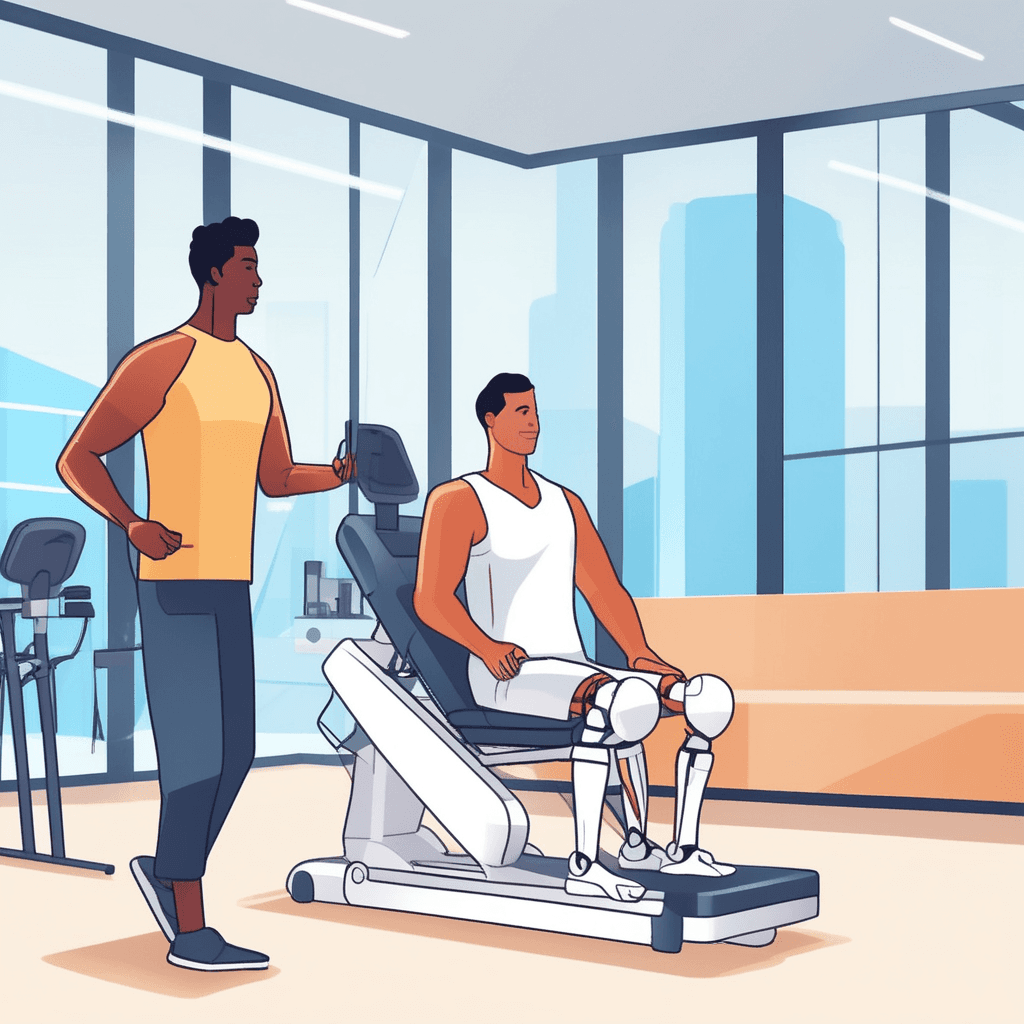
a determined patient takes confident steps using a high-tech robotic leg prosthetic while holding parallel bars. The mechanical limb moves smoothly with each step, showing precise joint movement and natural gait patterns. A physical therapist walks alongside offering encouragement and monitoring the patient's progress. Other patients in the background practice with various artificial arms and legs at different therapy stations. The therapist adjusts settings on the prosthetic device to optimize performance. The patient's face shows joy and accomplishment as they master walking with their new artificial limb. artificial body parts designed to replace missing or damaged limbs or organs

Prosthetics meet athletics, creating perfect aesthetics!
Got the picture? Now let's practice.
🎤Pronunciation
🌳Etymology
Origin
Derived from Greek 'prosthetos' (attached, added), a term used by ancient Greek physicians to describe the practice of affixing artificial devices to replace lost body parts. The concept literally means 'something placed in front of' or 'added to'.
Breakdown
pro- (before, forward) + thesis (placing, putting) + -ics (study or practice of). The root thesis comes from the Greek verb 'tithenai' (to place), while the suffix -ics denotes a field of study or medical practice.
🎵Rhyme
🔗Collocations
📝Examples
“The Paralympic athlete's prosthetics were so advanced, he joked they gave him superpowers.”
“She decided to bedazzle her prosthetics with glitter because why not shine bright?”
“The company specializes in 3D-printed prosthetics for children.”
“Modern prosthetics can cost anywhere from $5,000 to $50,000.”
📚Related Words
Want to master 27,000+ words?
Sign up free for flashcards & quizzes.