self-restraint — the ability to control one's emotions, desires, or actions; self-control
Part of speech: NOUN
Definition: the ability to control one's emotions, desires, or actions; self-control
Pronunciation (IPA): /ˌsɛlf rɪˈstreɪnt/
Example Sentences
- His self-restraint was tested when his annoying neighbor started karaoke at 3 AM.
- The diet required incredible self-restraint, especially when passing the donut shop.
- She practiced self-restraint by counting to ten before responding to rude comments.
self-restraint
NOUN[/ˌsɛlf rɪˈstreɪnt/]
the ability to control one's emotions, desires, or actions; self-control
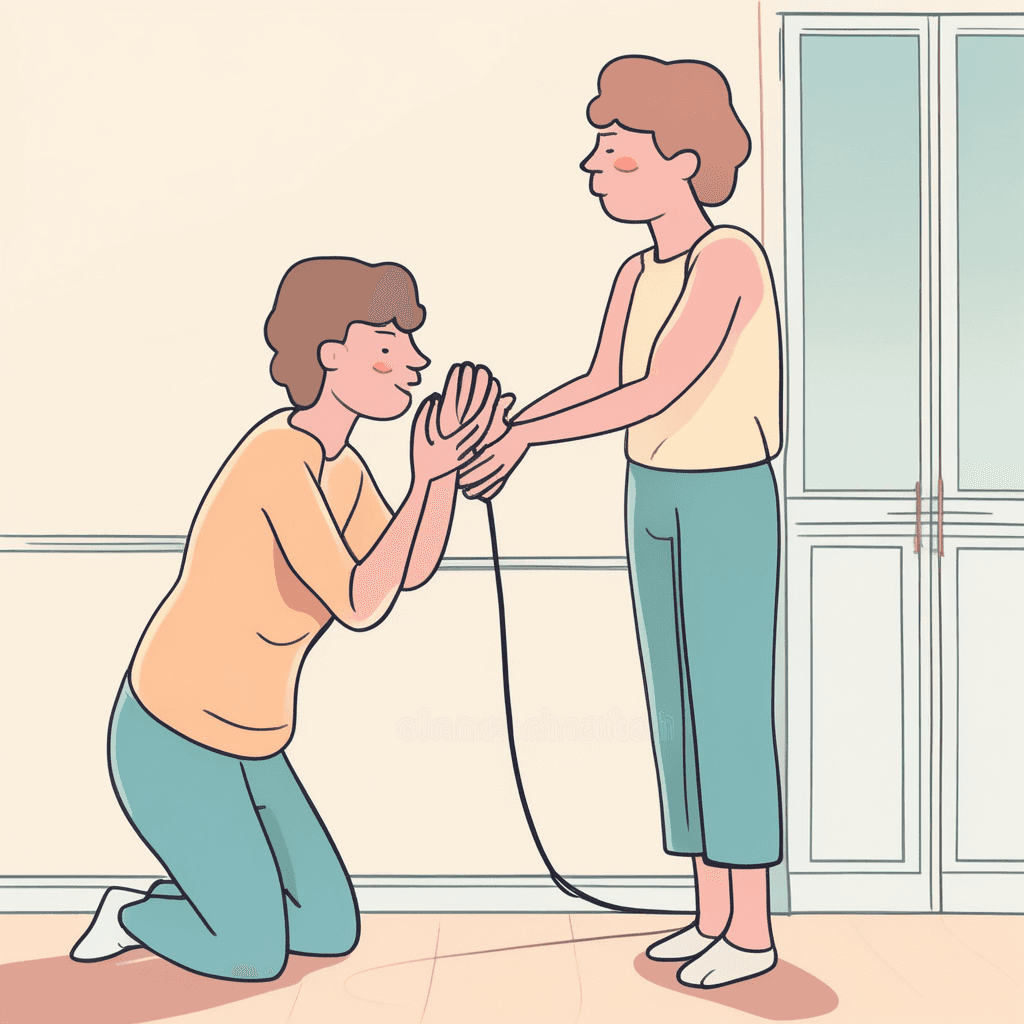
the ability to control one's emotions, desires, or actions; self-control

Face each complaint without constraint through self-restraint!
Got the picture? Now let's practice.
🎤Pronunciation
🌳Etymology
Origin
Self-restraint emerged in the 14th century as a compound word combining 'self' and 'restraint'. The element 'restraint' derives from Latin 'restrictus', the past participle of 'restringere', meaning 'to bind back' or 'to limit'.
Breakdown
self- (one's own person) + restraint (from Latin restrictus, bound back or limited), literally 'the binding back of one's own impulses or desires'.
🎵Rhyme
🔗Collocations
📝Examples
“His self-restraint was tested when his annoying neighbor started karaoke at 3 AM.”
“The diet required incredible self-restraint, especially when passing the donut shop.”
“She practiced self-restraint by counting to ten before responding to rude comments.”
“His self-restraint finally broke when someone spoiled the movie ending.”
📚Related Words
Want to master 27,000+ words?
Sign up free for flashcards & quizzes.