heavy — having great weight; difficult to lift or move
Part of speech: ADJECTIVE
Definition: having great weight; difficult to lift or move
Pronunciation (IPA): /ˈhevi/
Example Sentences
- My backpack is so heavy, I think I packed my entire library!
- The heavy snow turned our car into a giant snowball.
- Heavy machinery is required for construction work.
heavy
ADJECTIVE[/ˈhevi/]
having great weight; difficult to lift or move
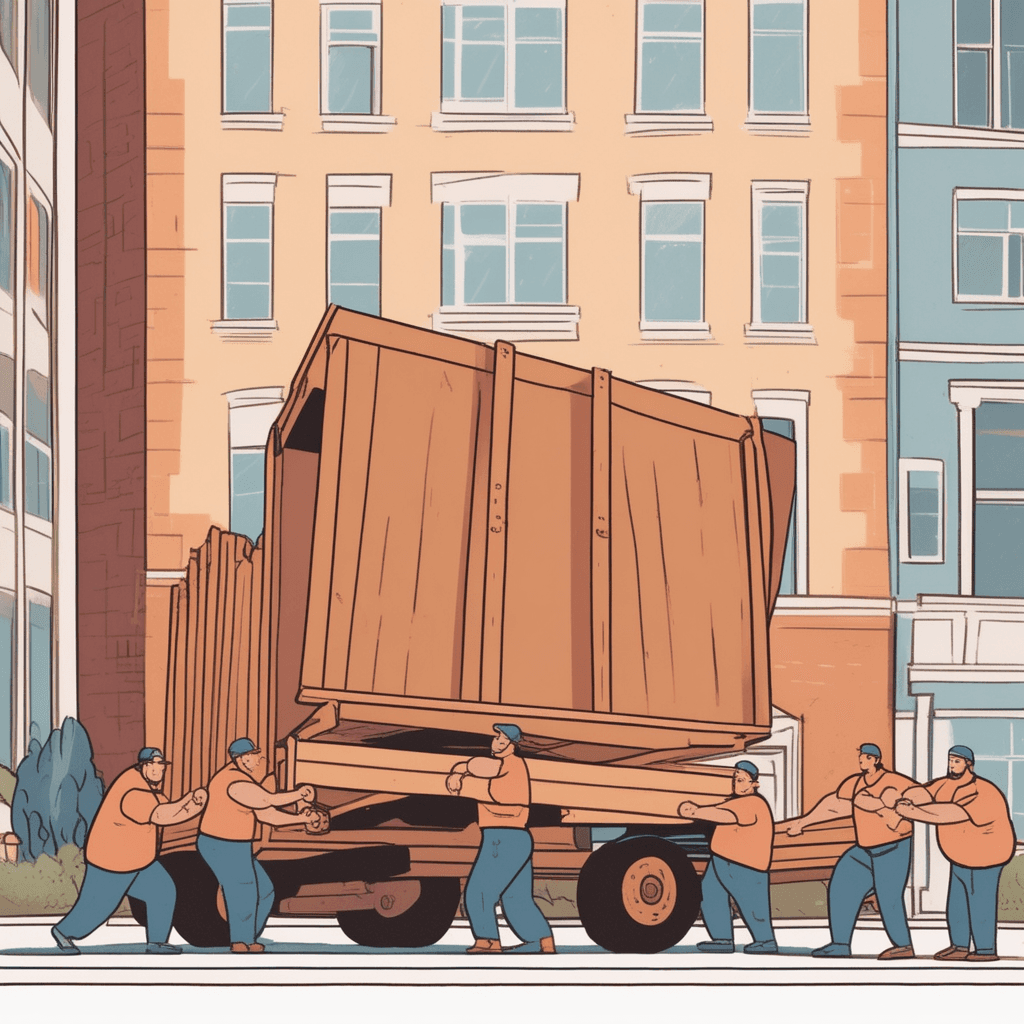
Two movers struggle to lift the heavy piano together

Heavy weights demand you stay ready and steady!
Got the picture? Now let's practice.
🎤Pronunciation
🌳Etymology
Origin
Heavy derives from Old English hefig, which shares a common Germanic root with the verb heave (meaning 'to lift'). The adjective developed its sense of 'difficult to lift' from this verbal root, eventually generalizing to mean 'of great weight or mass'.
Breakdown
hefig (Old English: heavy) + -y (adjective suffix), related to heave (to lift), with the underlying sense being 'that which is difficult to heave or lift'.
🎵Rhyme
🔗Collocations
📝Examples
“My backpack is so heavy, I think I packed my entire library!”
“The heavy snow turned our car into a giant snowball.”
“Heavy machinery is required for construction work.”
“She gave a heavy sigh after hearing the bad news.”
📚Related Words
Want to master 27,000+ words?
Sign up free for flashcards & quizzes.