elastic — able to return to its original shape after being stretched or compressed
Part of speech: ADJECTIVE
Definition: able to return to its original shape after being stretched or compressed
Pronunciation (IPA): /ɪˈlæstɪk/
Example Sentences
- My elastic pants saved me from embarrassment after eating too much pizza.
- The elastic nature of the economy helps it recover from recessions.
- His elastic conscience could stretch to justify almost anything.
elastic
ADJECTIVE[/ɪˈlæstɪk/]
able to return to its original shape after being stretched or compressed

The children bounced high because the trampoline was so elastic.
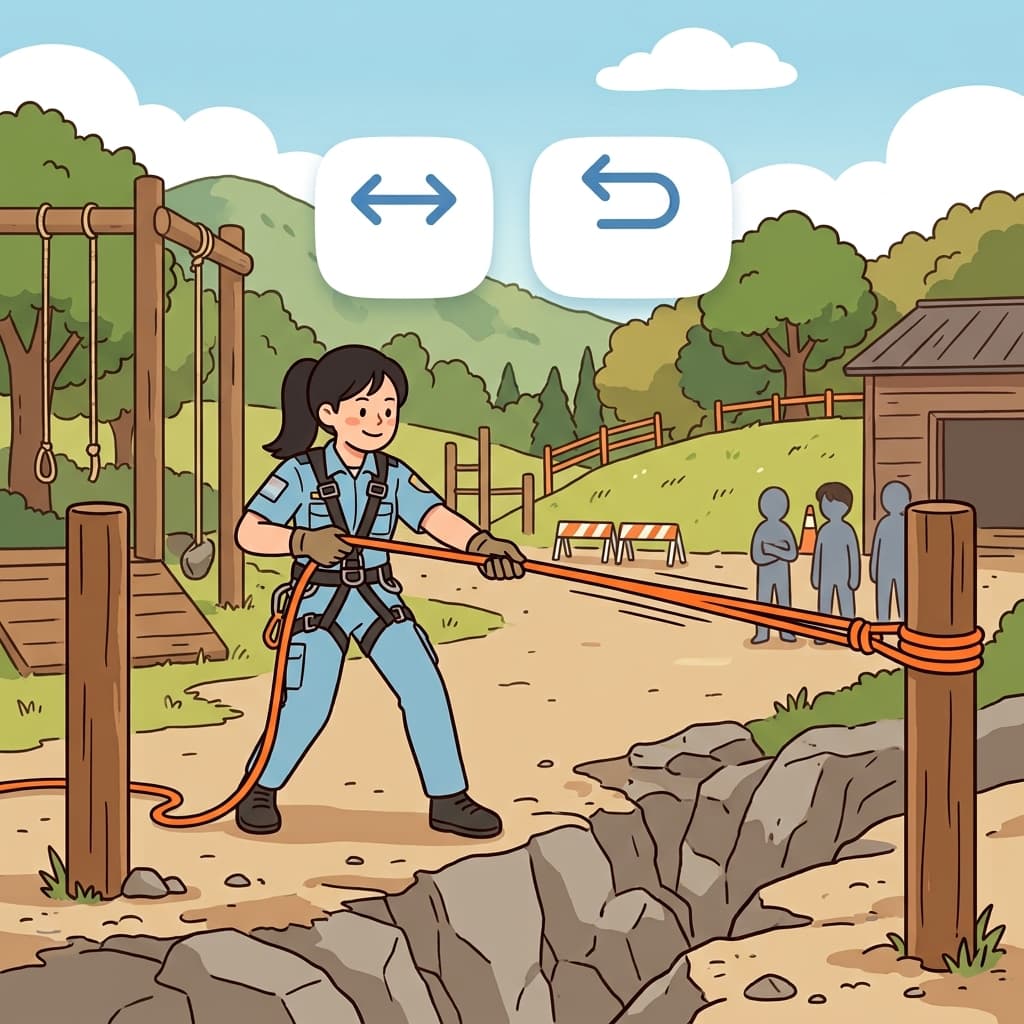
The elastic rope stretched without breaking during the rescue. (↔️ Stretch + ↩️ Bounce Back → Elastic)

The elastic band stretched and snapped back into shape.
Got the picture? Now let's practice.
🎤Pronunciation
🌳Etymology
Origin
From Greek 'elastikos' meaning 'driving or impulsive,' derived from 'elaunein' meaning 'to drive or push.' The term was adopted into scientific use in the 17th century to describe the property of materials returning to their original shape.
Breakdown
Greek elat- (drive, push) + -ic (adjective suffix) = elastic
🎵Rhyme
🔗Collocations
📝Examples
“My elastic pants saved me from embarrassment after eating too much pizza.”
“The elastic nature of the economy helps it recover from recessions.”
“His elastic conscience could stretch to justify almost anything.”
“The elastic cord snapped back and hit him in the face.”
📚Related Words
Want to master 27,000+ words?
Sign up free for flashcards & quizzes.