imagination — the ability to form mental images or concepts of things not present to the senses
Part of speech: NOUN
Definition: the ability to form mental images or concepts of things not present to the senses
Pronunciation (IPA): /ɪˌmædʒɪˈneɪʃən/
Example Sentences
- His wild imagination turned homework into an epic adventure story.
- The artist's imagination knew no bounds when creating fantasy worlds.
- With a little imagination, this empty box became a spaceship to Mars.
imagination
NOUN[/ɪˌmædʒɪˈneɪʃən/]
the ability to form mental images or concepts of things not present to the senses
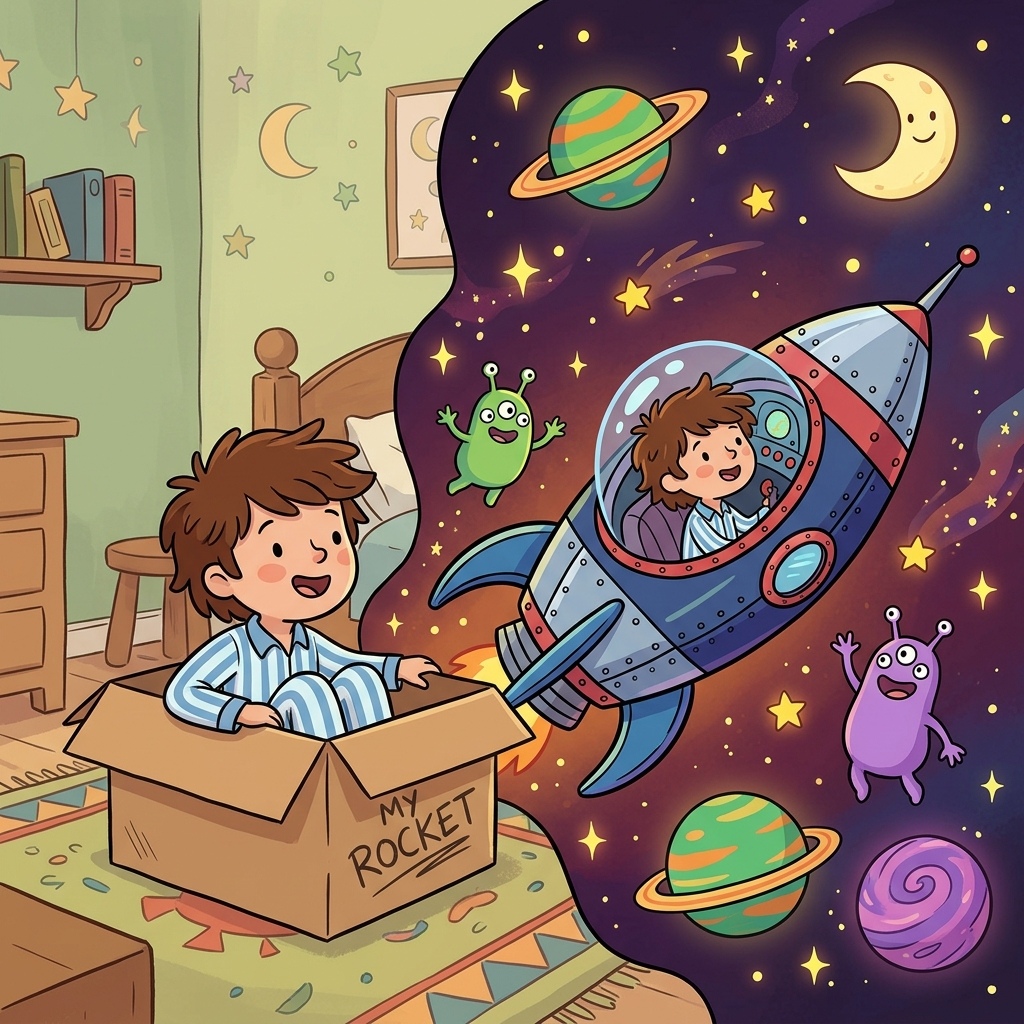
The child's imagination turned a cardboard box into a spaceship.
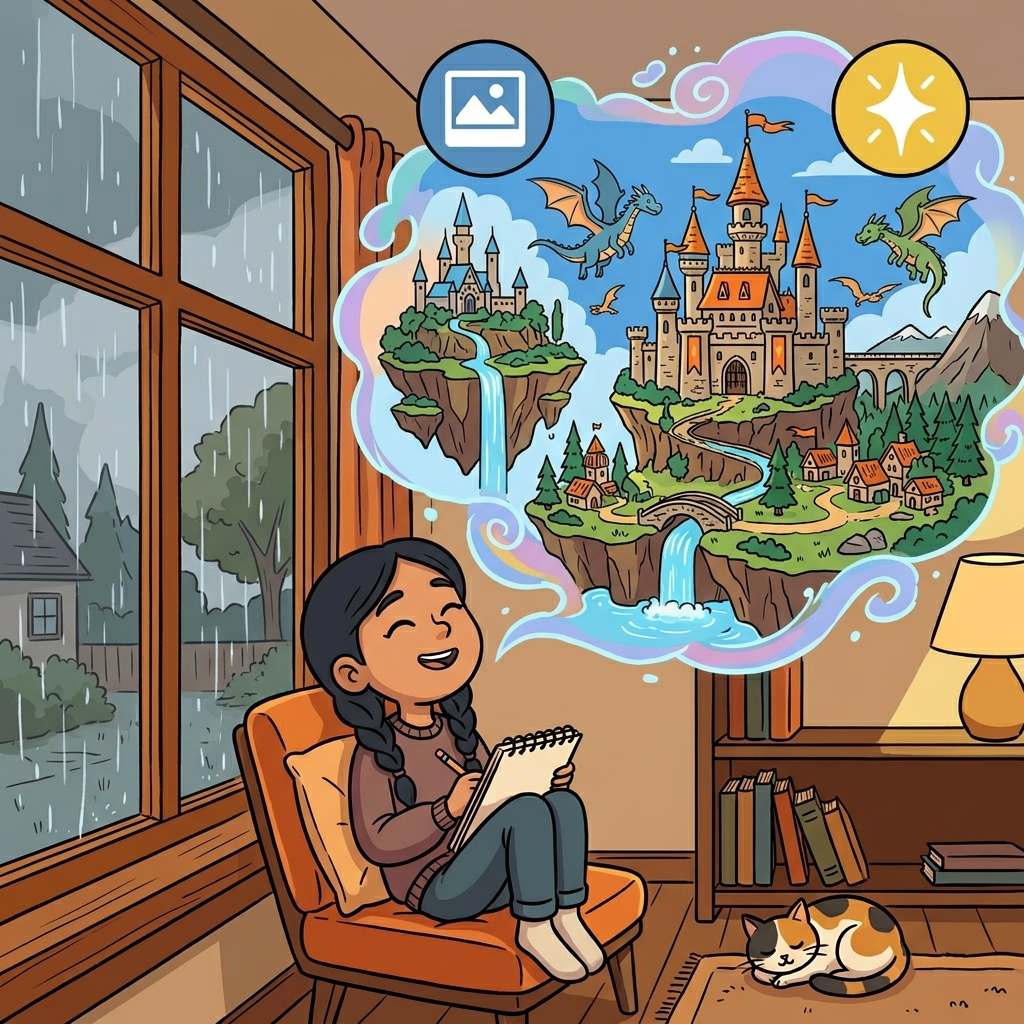
Her imagination created an entire fantasy kingdom. (IMAGE + CREATION = IMAGINATION → creating pictures and ideas in your mind)
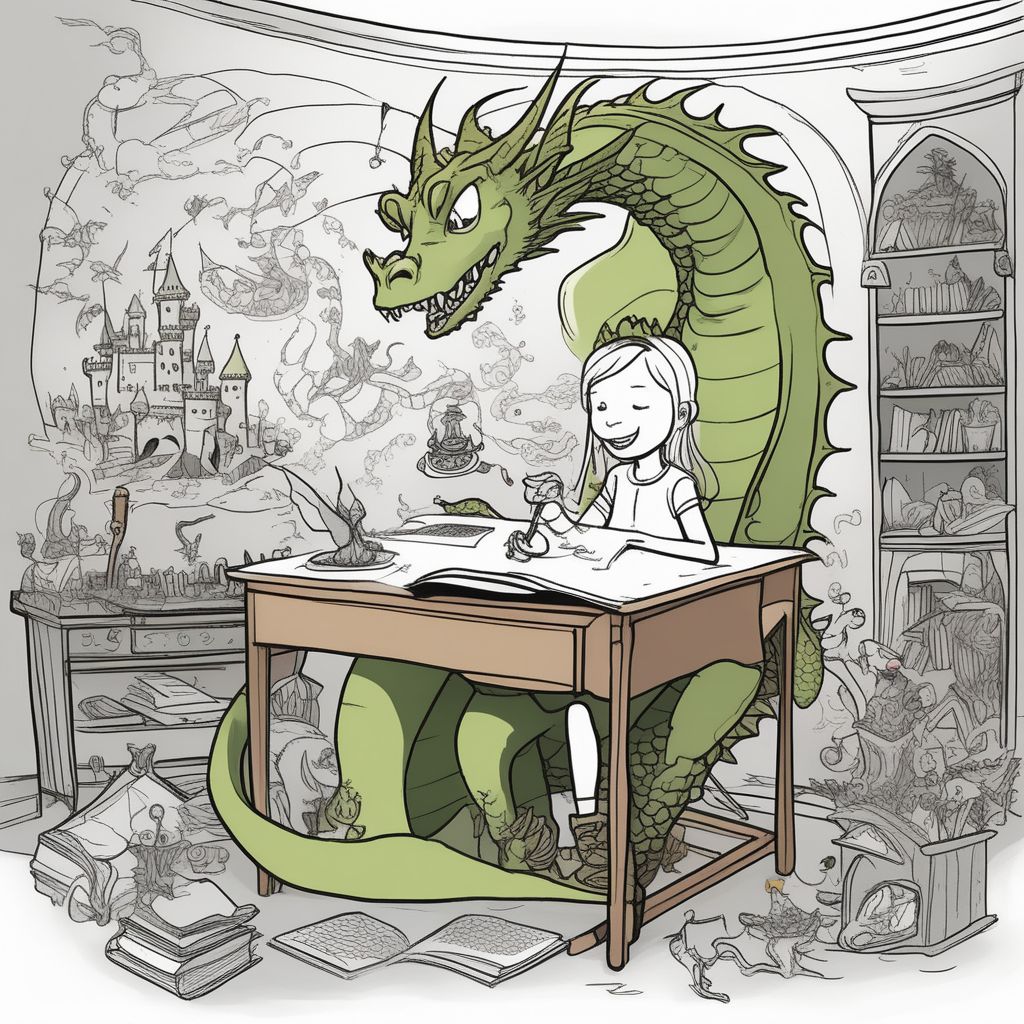
Imagination sparks creation of a magical nation!
Got the picture? Now let's practice.
🎤Pronunciation
🌳Etymology
Origin
The word derives from Latin 'imaginatio', which developed from 'imaginari', meaning 'to picture in the mind' or 'to form mental images'. Used since ancient Roman times by artists and philosophers to express creative thought and mental visualization.
Breakdown
imaginari (to picture/form images in the mind) + -atio (Latin nominalizing suffix forming abstract nouns). The suffix -atio transformed the verb into a noun denoting the action or faculty of image-making.
🎵Rhyme
🔗Collocations
📝Examples
“His wild imagination turned homework into an epic adventure story.”
“The artist's imagination knew no bounds when creating fantasy worlds.”
“With a little imagination, this empty box became a spaceship to Mars.”
“Reading books helps develop children's imagination and creativity.”
📚Related Words
Synonyms
Antonyms
Related
Want to master 19,000+ words?
Sign up free for flashcards & quizzes.