bystander — a person who is present at an event or incident but does not take part
Part of speech: NOUN
Definition: a person who is present at an event or incident but does not take part
Pronunciation (IPA): /ˈbaɪˌstændər/
Example Sentences
- The superhero accidentally knocked over an innocent bystander while chasing the villain.
- Don't just be a bystander when someone needs help.
- The bystander became famous after his reaction went viral on social media.
bystander
NOUN[/ˈbaɪˌstændər/]
a person who is present at an event or incident but does not take part

a person who is present at an event or incident but does not take part
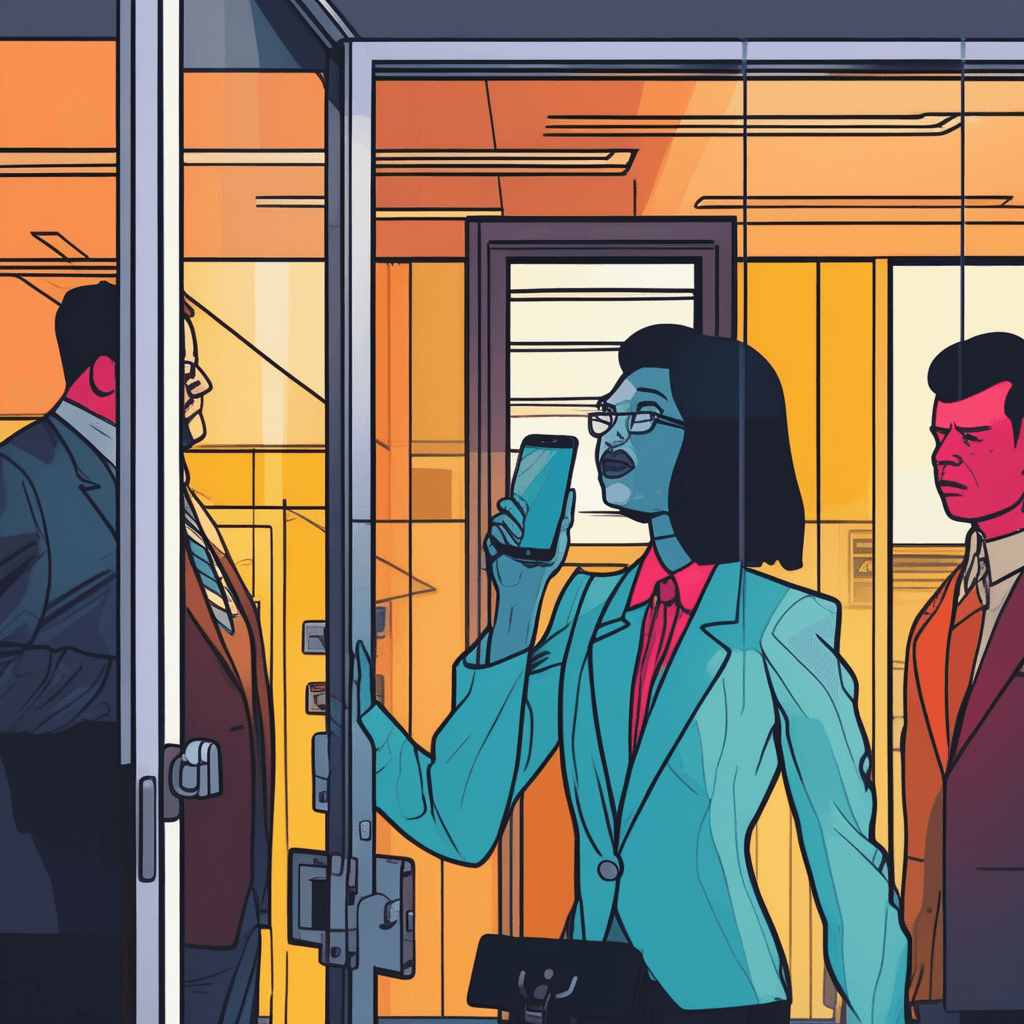
From insider to outsider, the bystander must decide!
Got the picture? Now let's practice.
🎤Pronunciation
🌳Etymology
Origin
The word developed in the 17th century from the combination of 'by' (meaning beside or near) and 'stand' (meaning to be in an upright position). It originally referred to a person standing nearby, and evolved to mean a person present at an event but not directly involved in it.
Breakdown
by- (beside, near) + stand (be upright) + -er (one who does). The compound literally describes someone standing by or beside a situation.
🎵Rhyme
🔗Collocations
📝Examples
“The superhero accidentally knocked over an innocent bystander while chasing the villain.”
“Don't just be a bystander when someone needs help.”
“The bystander became famous after his reaction went viral on social media.”
“Police questioned several bystanders who witnessed the accident.”
📚Related Words
Want to master 27,000+ words?
Sign up free for flashcards & quizzes.