pass away — to die, especially in a peaceful or gentle way (euphemism)
Part of speech: VERB
Definition: to die, especially in a peaceful or gentle way (euphemism)
Pronunciation (IPA): /pæs əˈweɪ/
Example Sentences
- The old oak tree in our backyard finally passed away after 200 years - even trees have their time to go!
- My phone battery passed away during the most important call of my career.
- The legendary chef passed away, leaving behind a legacy of burnt toast and confused customers.
pass away
VERB[/pæs əˈweɪ/]
to die, especially in a peaceful or gentle way (euphemism)
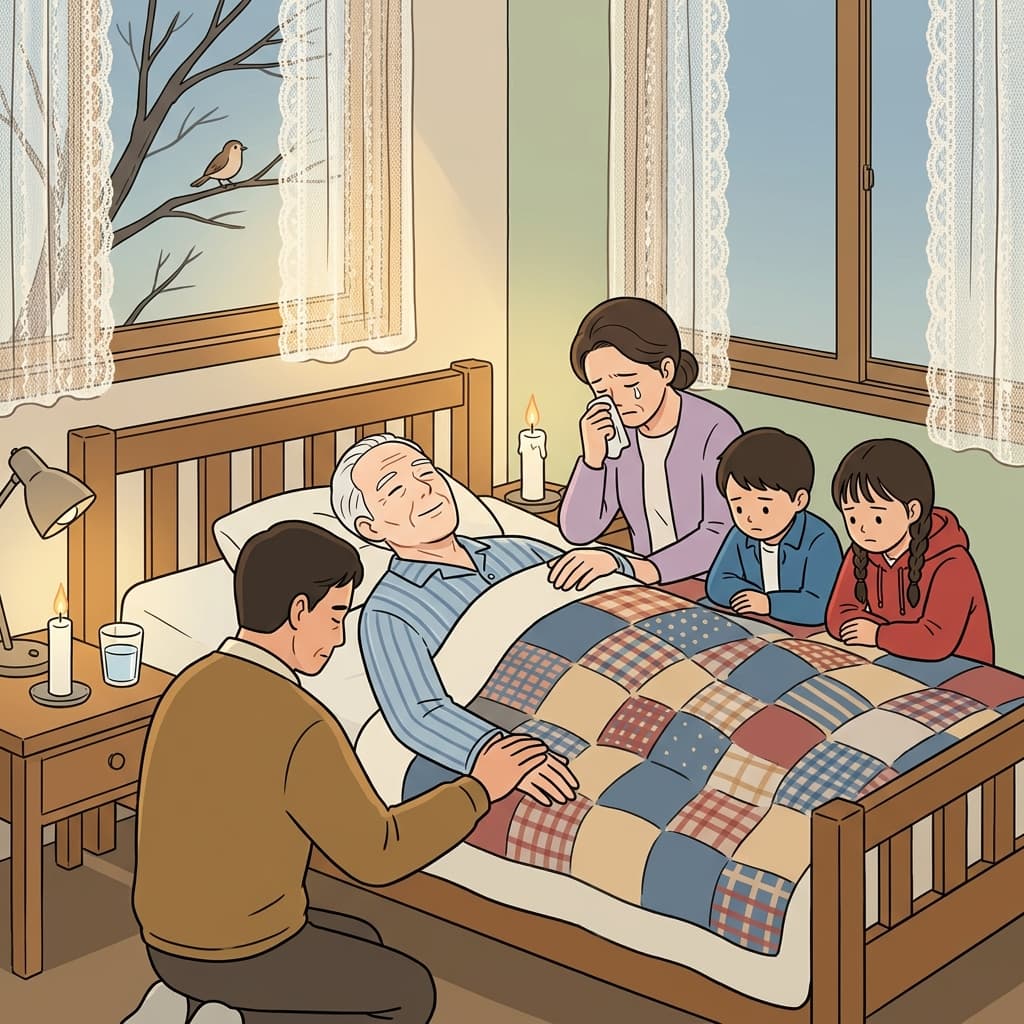
Grandfather peacefully passed away surrounded by his loving family at dawn.
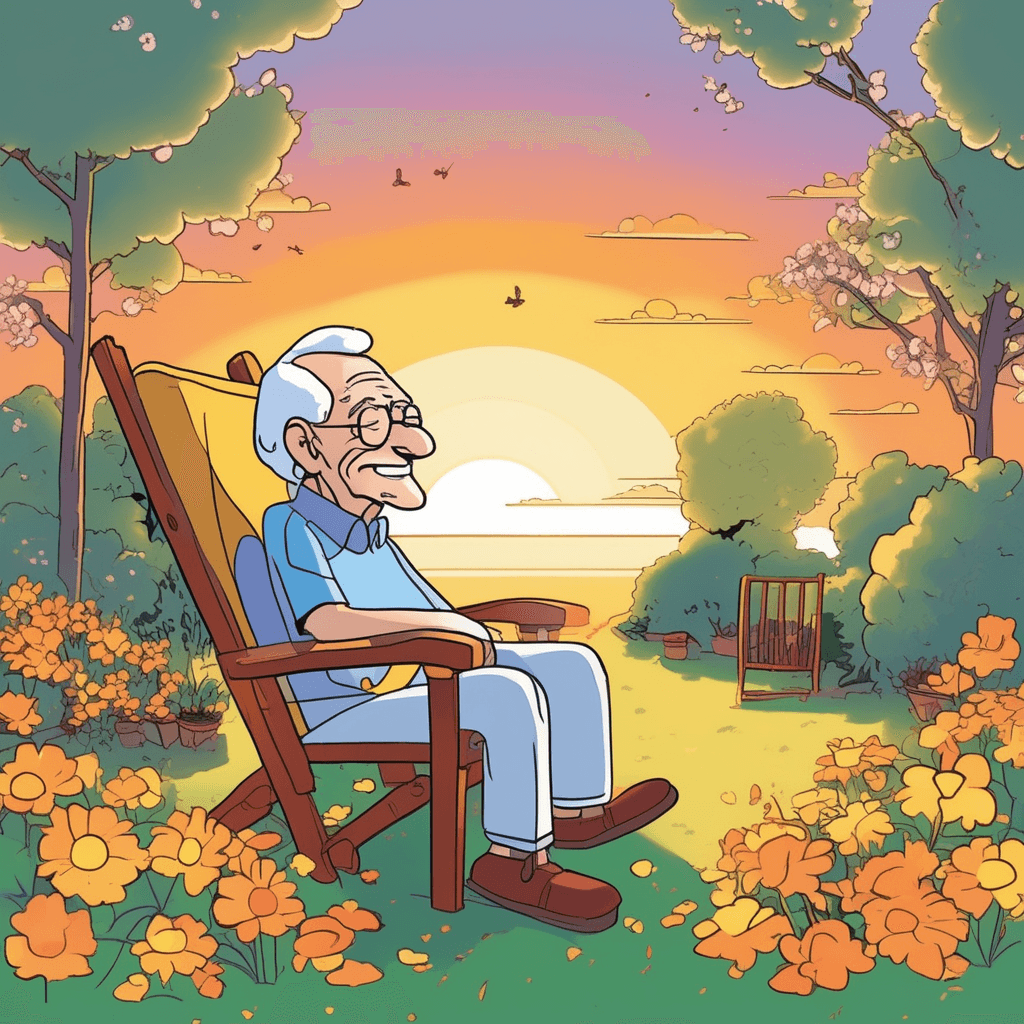
When we pass away at end of day, we find our peaceful way.
Got the picture? Now let's practice.
🎤Pronunciation
🌳Etymology
Origin
Pass derives from Latin passus, meaning 'to go by' or 'to proceed.' Away comes from Old English aweg, meaning 'away' or 'off.' Combined, the phrase euphemistically describes death as passing beyond this world to another place.
Breakdown
pass (from Latin passus: to go by, proceed) + away (from Old English aweg: away, off). The compound phrase creates a euphemistic expression for dying.
🎵Rhyme
🔗Collocations
📝Examples
“The old oak tree in our backyard finally passed away after 200 years - even trees have their time to go!”
“My phone battery passed away during the most important call of my career.”
“The legendary chef passed away, leaving behind a legacy of burnt toast and confused customers.”
“She was deeply saddened when her beloved pet passed away after 15 years of companionship.”
📚Related Words
Want to master 27,000+ words?
Sign up free for flashcards & quizzes.