umbrage — offense or annoyance, especially when caused by something being perceived as a slight or insult
Part of speech: NOUN
Definition: offense or annoyance, especially when caused by something being perceived as a slight or insult
Pronunciation (IPA): /ˈʌmbrɪdʒ/
Example Sentences
- My cat took umbrage when I accidentally sat on her favorite cushion.
- He took umbrage at being called 'old-fashioned' for still using a flip phone.
- The politician took great umbrage at the journalist's pointed questions.
umbrage
NOUN[/ˈʌmbrɪdʒ/]
offense or annoyance, especially when caused by something being perceived as a slight or insult

Taking offense at perceived insult
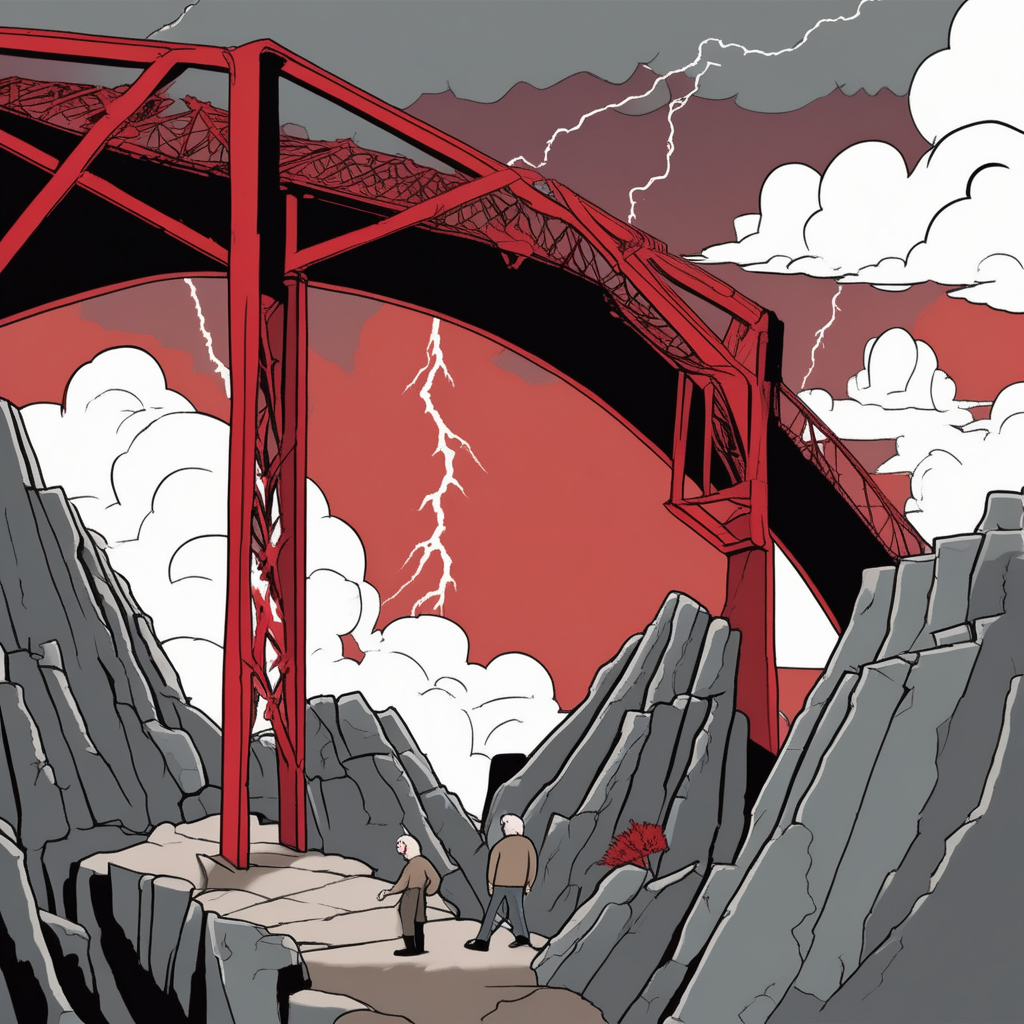
Taking umbrage on the ridge at the broken bridge!
Got the picture? Now let's practice.
🎤Pronunciation
🌳Etymology
Origin
From French 'ombrage' meaning shade or shadow, derived from Latin 'umbrāticum' related to 'umbra' (shadow). The sense of 'offense' developed from the metaphorical idea of taking offense in the shadow of suspicion or doubt.
Breakdown
umbr- (shadow, from Latin umbra) + -age (noun suffix indicating a state or condition) = umbrage (a shadowy state of offense or displeasure)
🎵Rhyme
🔗Collocations
📝Examples
“My cat took umbrage when I accidentally sat on her favorite cushion.”
“He took umbrage at being called 'old-fashioned' for still using a flip phone.”
“The politician took great umbrage at the journalist's pointed questions.”
“She gave umbrage to her neighbors by playing loud music at 3 AM.”
📚Related Words
Synonyms
Antonyms
Related
Want to master 19,000+ words?
Sign up free for flashcards & quizzes.