mythology — A collection of myths, especially one belonging to a particular religious or cultural tradition
Part of speech: NOUN
Definition: A collection of myths, especially one belonging to a particular religious or cultural tradition
Pronunciation (IPA): /mɪˈθɑːlədʒi/
Example Sentences
- My professor's knowledge of Roman mythology is so vast, he could probably win a trivia contest against Jupiter himself.
- The Harry Potter series draws heavily from various European mythologies.
- She became so obsessed with Egyptian mythology that she started naming her cats after pharaohs.
mythology
NOUN[/mɪˈθɑːlədʒi/]
A collection of myths, especially one belonging to a particular religious or cultural tradition
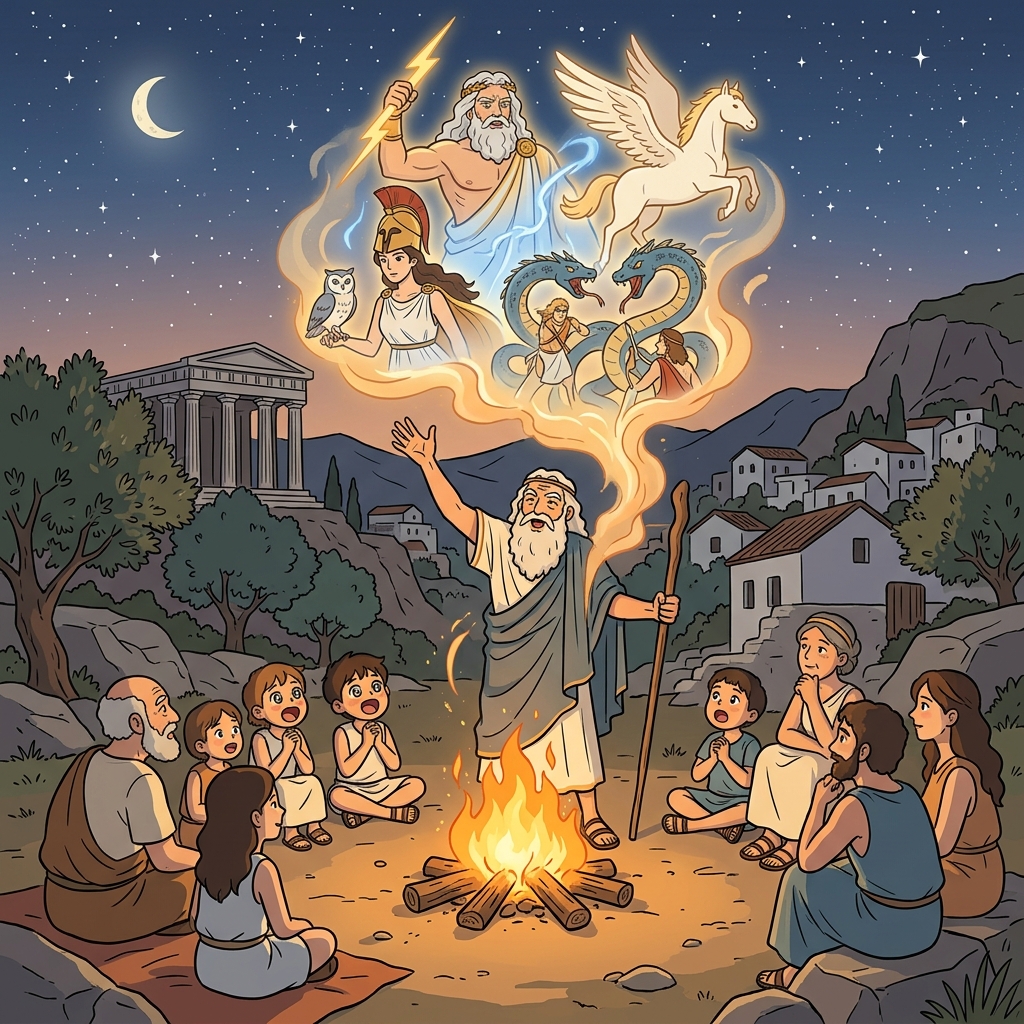
Ancient Greek storyteller shares mythology by firelight, gods and heroes come alive.
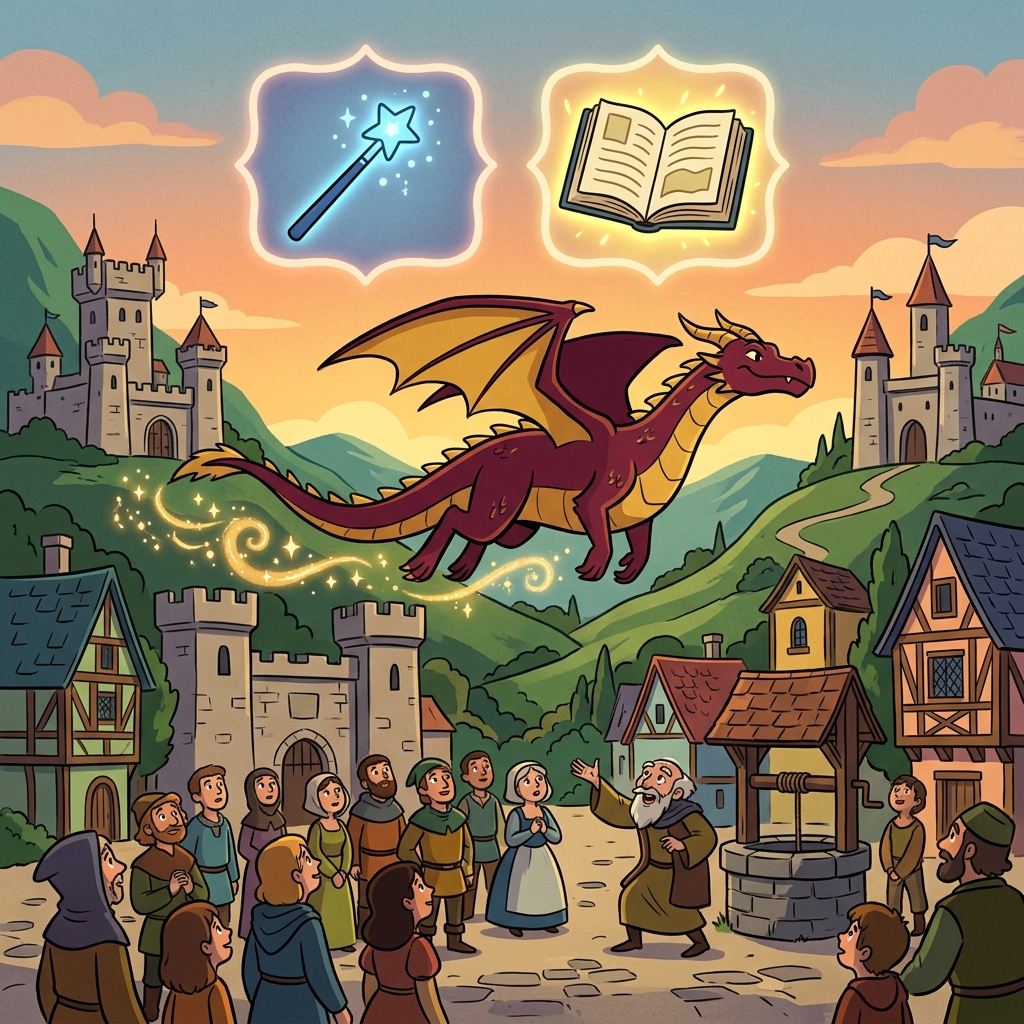
The mythology told magical stories about heroic dragons and ancient gods. (MYTH + OLOGY = MYTHOLOGY → a collection or study of myths and legends)
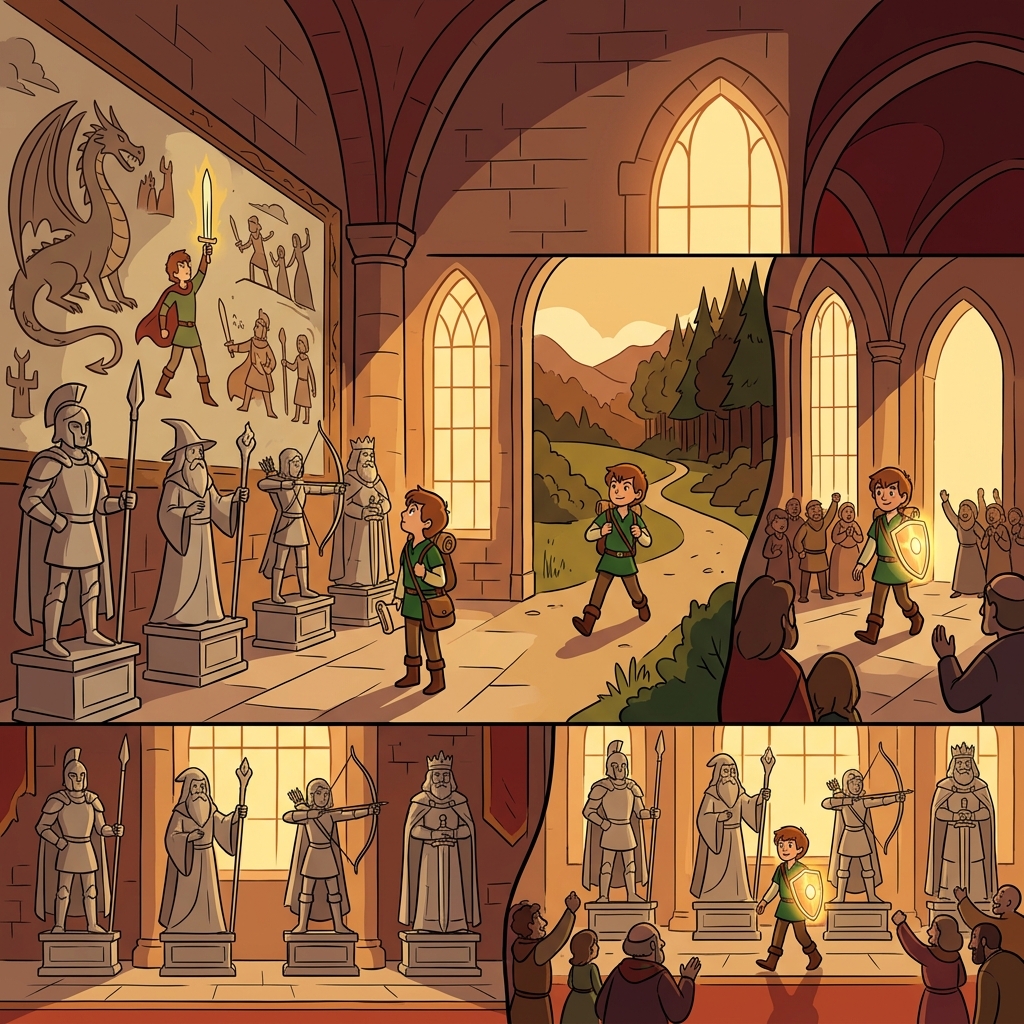
Mythology inspired the fifth hero to achieve triumph.
Got the picture? Now let's practice.
🎤Pronunciation
🌳Etymology
Origin
The term originates from Ancient Greek, combining mythos (myth, traditional story) and logia (study, discourse). It emerged as Greek scholars systematized and analyzed the narratives of their gods and heroes, creating a formal discipline to understand these foundational cultural narratives.
Breakdown
mythos (myth, story) + logia (study, discourse, -logy). The suffix -logia derives from logos, meaning 'word' or 'reason,' thus creating a compound meaning 'the study of myths'.
🎵Rhyme
🔗Collocations
📝Examples
“My professor's knowledge of Roman mythology is so vast, he could probably win a trivia contest against Jupiter himself.”
“The Harry Potter series draws heavily from various European mythologies.”
“She became so obsessed with Egyptian mythology that she started naming her cats after pharaohs.”
“The museum's mythology exhibit features artifacts from around the world.”
📚Related Words
Synonyms
Antonyms
Related
Want to master 19,000+ words?
Sign up free for flashcards & quizzes.