sexism — prejudice, stereotyping, or discrimination based on sex
Part of speech: NOUN
Definition: prejudice, stereotyping, or discrimination based on sex
Pronunciation (IPA): /ˈseksɪzəm/
Example Sentences
- The boss's comment about women being 'too emotional for leadership' was pure sexism.
- He claimed he was just being 'protective,' but it was actually sexism disguised as chivalry.
- The university implemented new policies to address sexism in academic departments.
sexism
NOUN[/ˈseksɪzəm/]
prejudice, stereotyping, or discrimination based on sex
💡 Concept
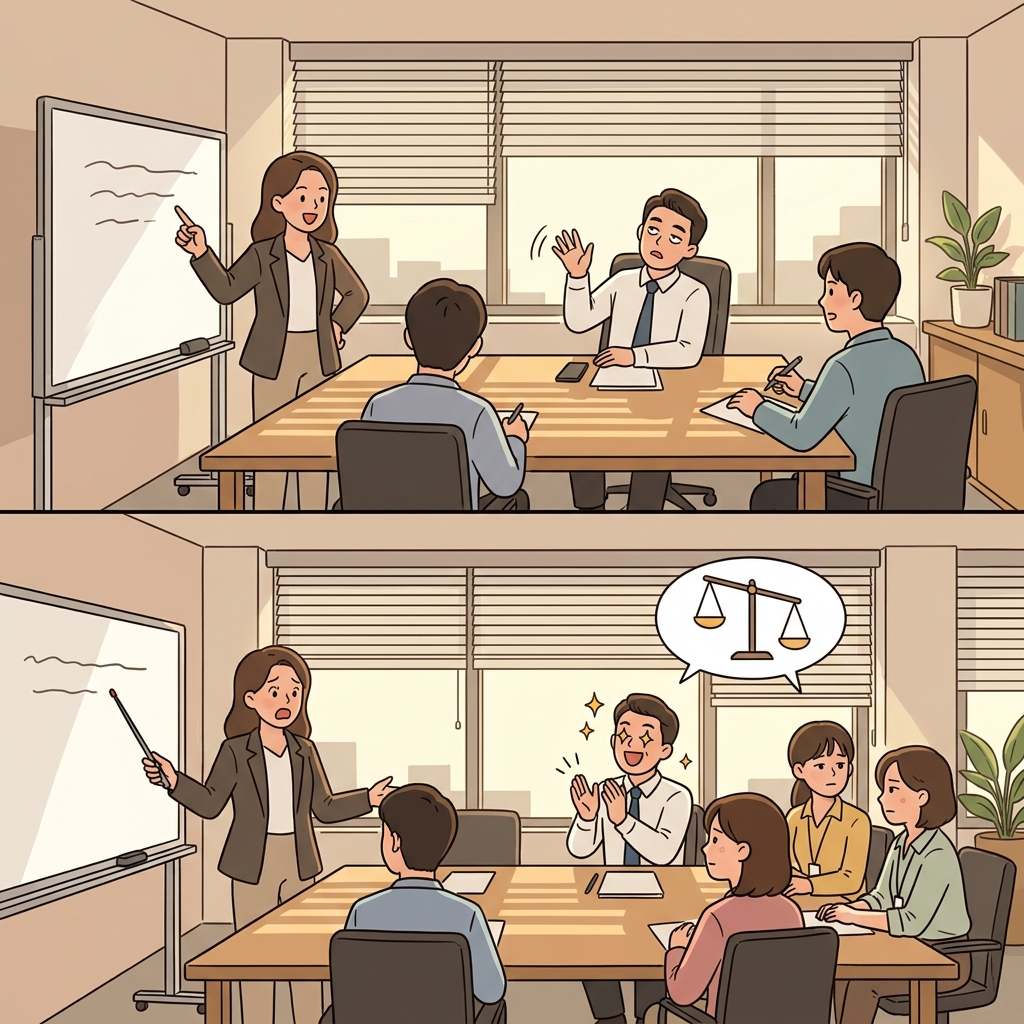
The manager dismisses her idea, then praises a male colleague for saying the same thing — that's sexism.
Got the picture? Now let's practice.
🎤Pronunciation
🇺🇸 US/ˈseksɪzəm/
🇬🇧 UK/ˈseksɪzəm/
🌳Etymology
Rootsex
Suffix--ism
🎵Rhyme
racismageismelitism
racism
ageism
elitism
🔗Collocations
workplace sexism
fight against sexism
institutional sexism
reverse sexism
combat sexism
gender-based sexism
📝Examples
“The boss's comment about women being 'too emotional for leadership' was pure sexism.”
😄 Fun example
“He claimed he was just being 'protective,' but it was actually sexism disguised as chivalry.”
“The university implemented new policies to address sexism in academic departments.”
😄 Fun example
“Asking only female employees to make coffee is a classic example of everyday sexism.”
📚Related Words
Synonyms
gender discriminationsexual prejudicemisogynymale chauvinism
Antonyms
gender equalityfeminismegalitarianism
Related
racismageismdiscriminationbiasstereotypeprejudice
Want to master 19,000+ words?
Sign up free for flashcards & quizzes.