undifferentiated — not having clear distinguishing features; not specialized or developed into distinct forms
Part of speech: ADJECTIVE
Definition: not having clear distinguishing features; not specialized or developed into distinct forms
Pronunciation (IPA): /ˌʌndɪˈfɛrənʃieɪtɪd/
Example Sentences
- My cooking skills are so undifferentiated that everything I make tastes like cardboard.
- The company's undifferentiated products failed to attract specific customer groups.
- Stem cells remain undifferentiated until they receive specific signals to develop.
undifferentiated
ADJECTIVE[/ˌʌndɪˈfɛrənʃieɪtɪd/]
not having clear distinguishing features; not specialized or developed into distinct forms
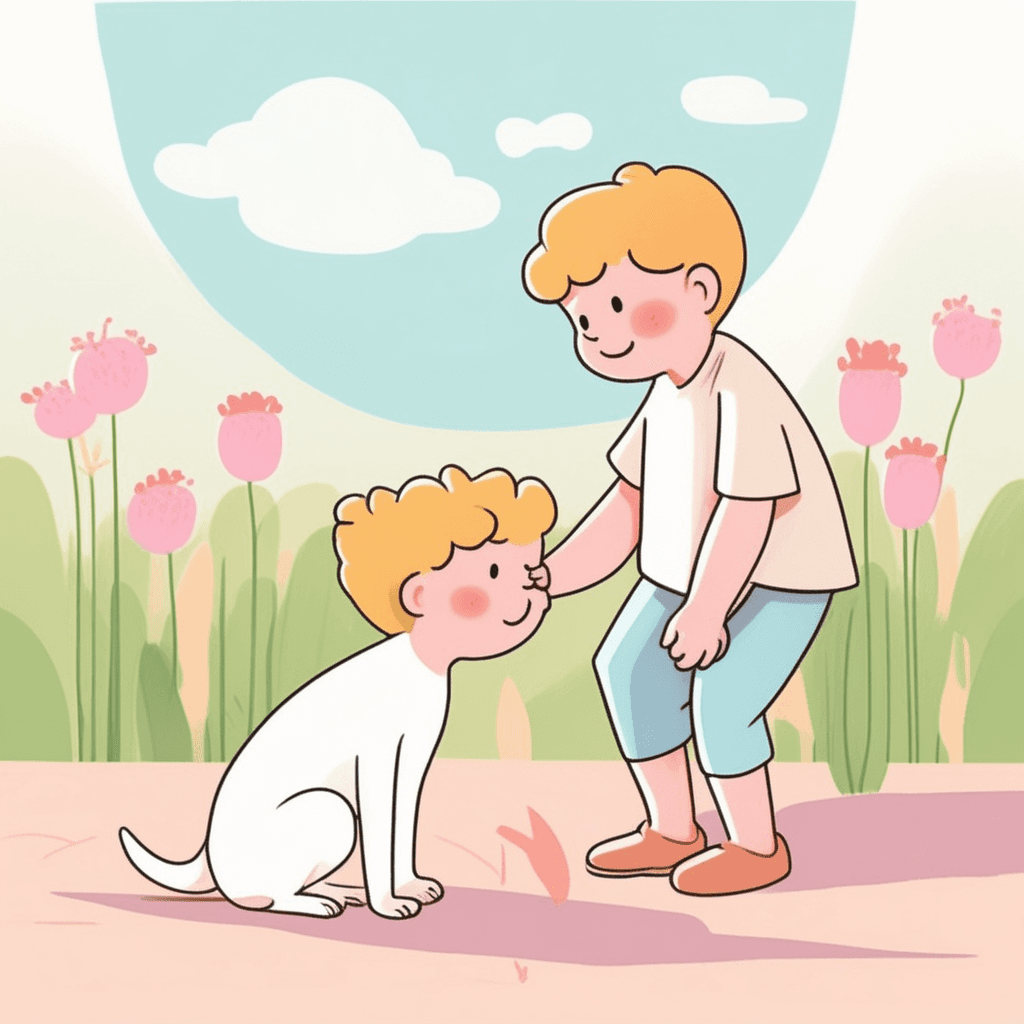
not having clear distinguishing features; not specialized or developed into distinct forms

Undifferentiated products get depreciated, but unique ones are appreciated!
Got the picture? Now let's practice.
🎤Pronunciation
🌳Etymology
Origin
This word was formed in modern English by combining the prefix un- (meaning 'not') with differentiated, originally developed in biological terminology to describe cells that have not yet developed into specialized functional forms.
Breakdown
un- (not) + differ- (to be different, from Latin differre) + -ent (adjective-forming suffix) + -iate (verb-forming suffix) + -ed (past participle suffix).
🎵Rhyme
🔗Collocations
📝Examples
“My cooking skills are so undifferentiated that everything I make tastes like cardboard.”
“The company's undifferentiated products failed to attract specific customer groups.”
“Stem cells remain undifferentiated until they receive specific signals to develop.”
“His undifferentiated approach to dating meant he sent the same boring message to everyone.”
📚Related Words
Want to master 27,000+ words?
Sign up free for flashcards & quizzes.