patronize — to treat someone in a condescending way, as if they are less intelligent or important
Part of speech: VERB
Definition: to treat someone in a condescending way, as if they are less intelligent or important
Pronunciation (IPA): /ˈpeɪtrənaɪz/
Example Sentences
- My boss patronizes me like I'm a five-year-old who can't tie his own shoes.
- She spoke in a patronizing way, as if everyone else was stupid.
- We should patronize small businesses to support our local economy.
patronize
VERB[/ˈpeɪtrənaɪz/]
to treat someone in a condescending way, as if they are less intelligent or important
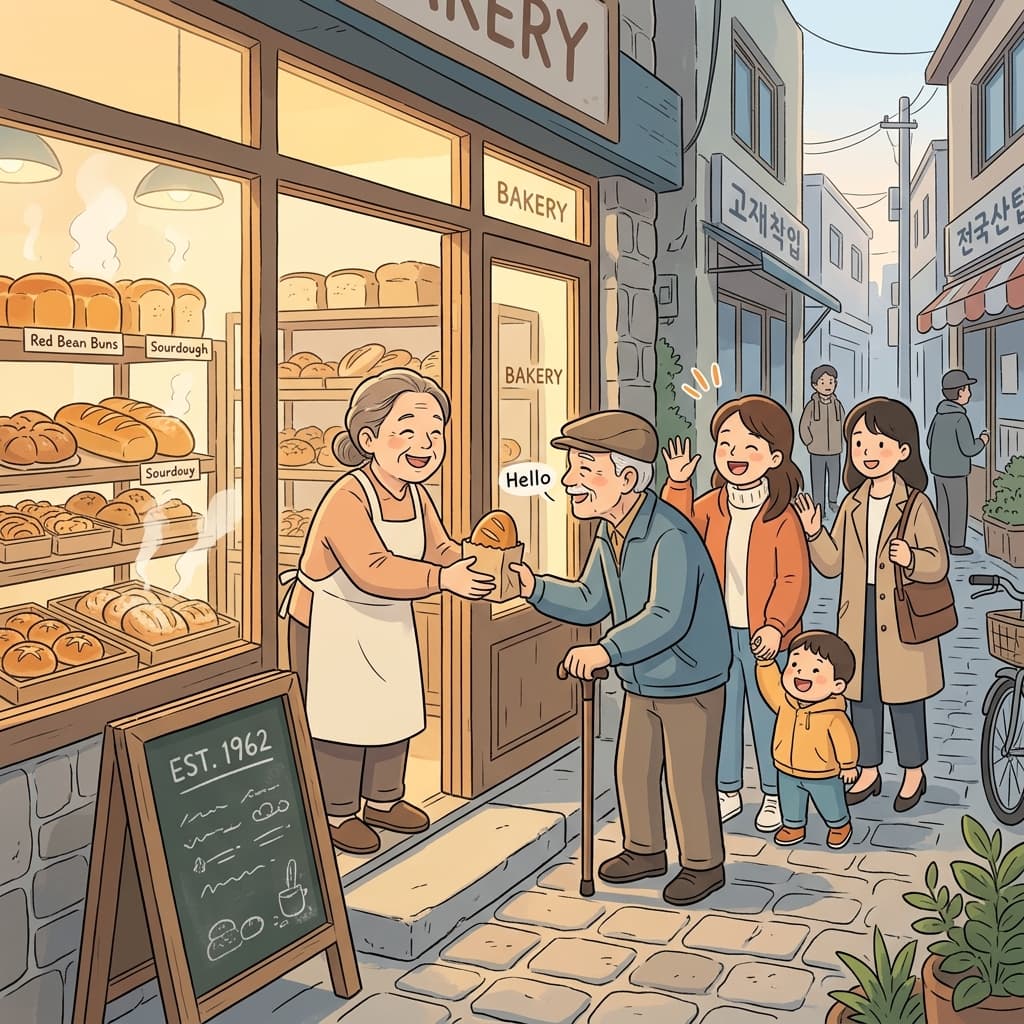
Locals patronize the tiny bakery every morning, keeping it alive for decades.

When you patronize, people recognize and criticize!
Got the picture? Now let's practice.
🎤Pronunciation
🌳Etymology
Origin
From French 'patroniser', derived from Latin 'patronus' meaning 'protector' or 'master'. The word originally meant to be a patron or protector of someone, but evolved to mean treating someone with superiority as if protecting them.
Breakdown
patron (from Latin patronus, protector/master) + -ize (verb suffix meaning 'to treat as' or 'to act like') = patronize (to treat condescendingly as a patron would to an inferior)
🎵Rhyme
🔗Collocations
📝Examples
“My boss patronizes me like I'm a five-year-old who can't tie his own shoes.”
“She spoke in a patronizing way, as if everyone else was stupid.”
“We should patronize small businesses to support our local economy.”
“Stop patronizing me with that fake smile and baby voice!”
📚Related Words
Want to master 27,000+ words?
Sign up free for flashcards & quizzes.