misbehave — to behave badly or improperly, especially in a way that breaks rules
Part of speech: VERB
Definition: to behave badly or improperly, especially in a way that breaks rules
Pronunciation (IPA): /ˌmɪsbɪˈheɪv/
Example Sentences
- If you misbehave one more time, you're going straight to the principal's office!
- My dog always misbehaves the moment guests arrive, as if he's been waiting for an audience.
- The civil servant was warned not to misbehave during the official ceremony.
misbehave
VERB[/ˌmɪsbɪˈheɪv/]
to behave badly or improperly, especially in a way that breaks rules
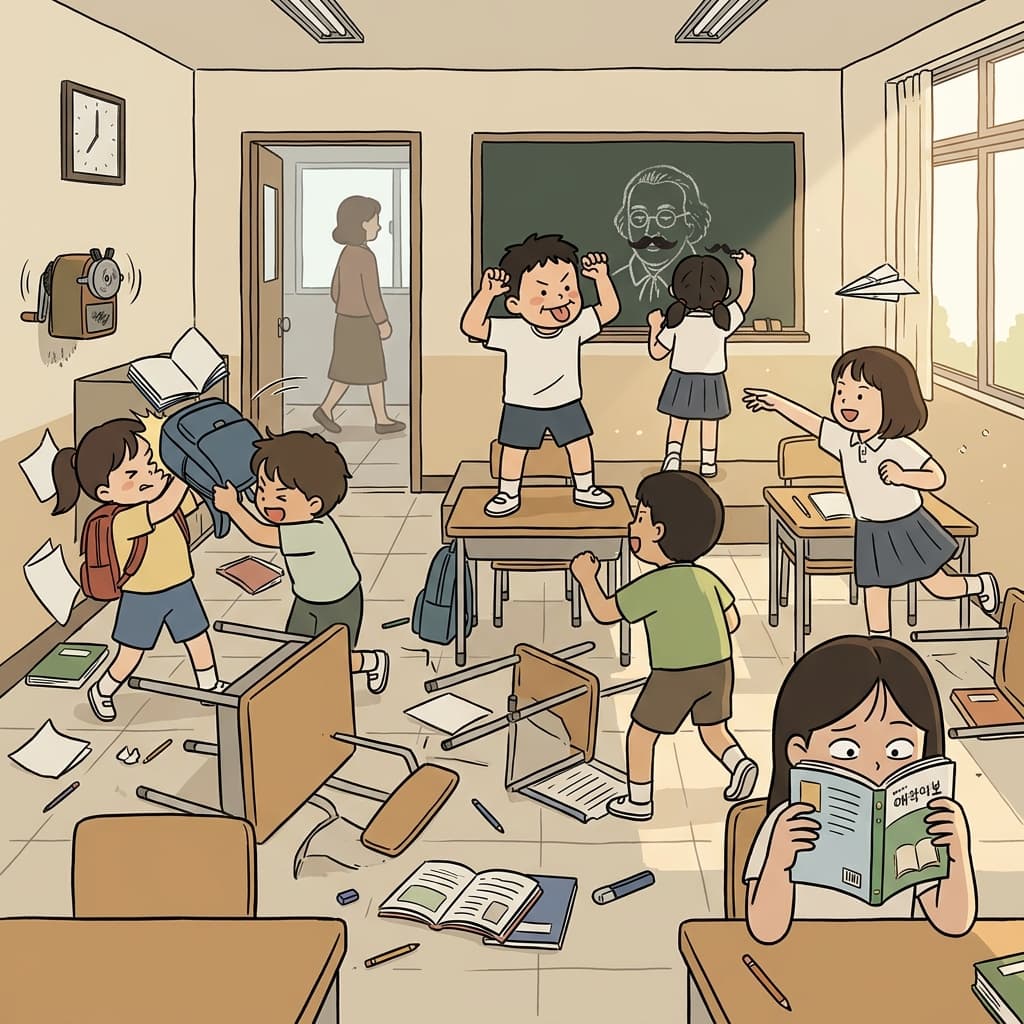
The kids misbehave the moment the teacher steps out of the classroom.
Got the picture? Now let's practice.
🎤Pronunciation
🌳Etymology
Origin
Misbehave emerged in Middle English from the combination of the prefix mis- (meaning wrongly or badly) and the verb behave. Behave itself derives from Old French 'beh(a)ver', composed of be- (an intensive prefix) and have (to hold or conduct), originally meaning to conduct or comport oneself. The compound misbehave thus developed to denote improper or inappropriate conduct.
Breakdown
mis- (wrongly, badly) + behave (from be- intensive + have to hold/conduct oneself) = to conduct oneself wrongly or act improperly.
🎵Rhyme
🔗Collocations
📝Examples
“If you misbehave one more time, you're going straight to the principal's office!”
“My dog always misbehaves the moment guests arrive, as if he's been waiting for an audience.”
“The civil servant was warned not to misbehave during the official ceremony.”
“Even robots seem to misbehave sometimes, especially right before an important demonstration.”
📚Related Words
Want to master 27,000+ words?
Sign up free for flashcards & quizzes.