native tongue — the first language that a person learns as a baby
Part of speech: NOUN
Definition: the first language that a person learns as a baby
Pronunciation (IPA): /ˈneɪtɪv tʌŋ/
Example Sentences
- When angry, people often swear in their native tongue.
- She dreams in her native tongue even after 20 years abroad.
- My cat seems to understand Korean better than English - maybe Korean is his native tongue too!
native tongue
NOUN[/ˈneɪtɪv tʌŋ/]
the first language that a person learns as a baby
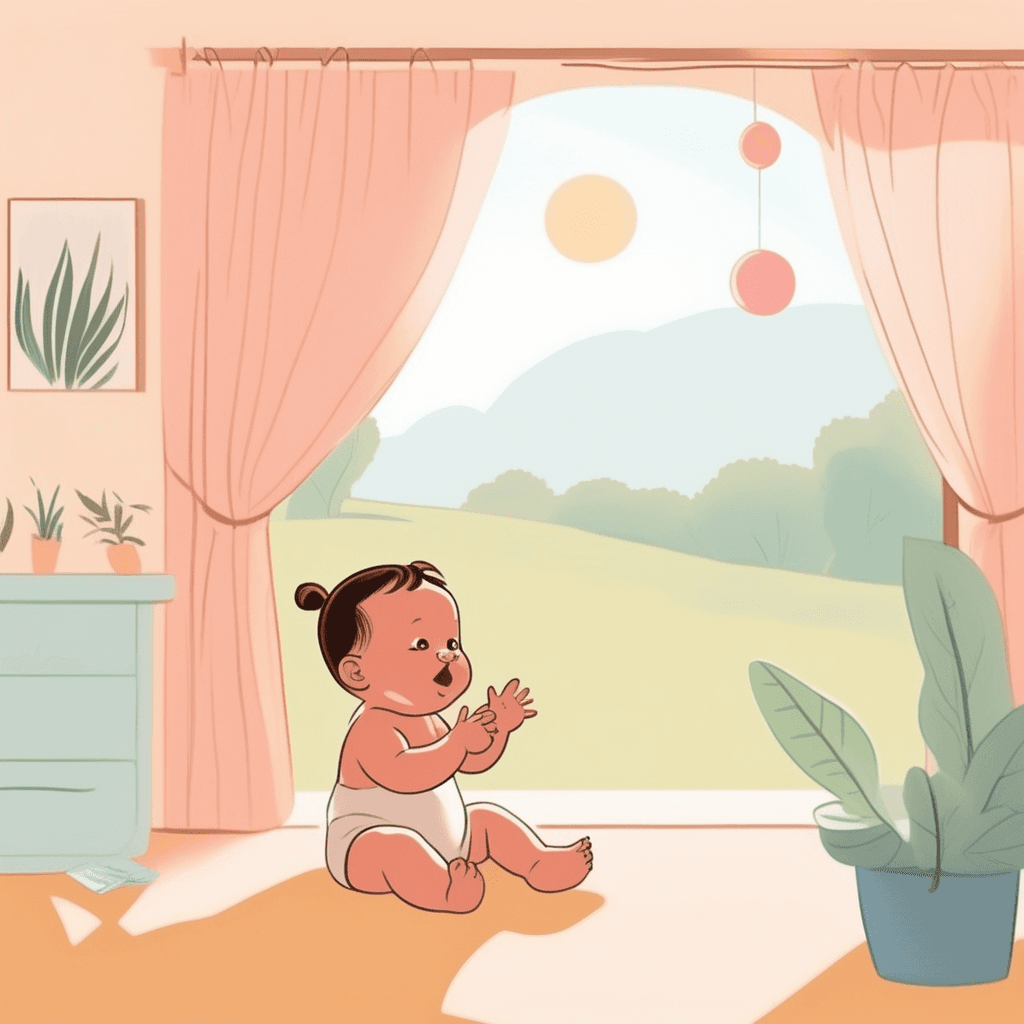
the first language that a person learns as a baby
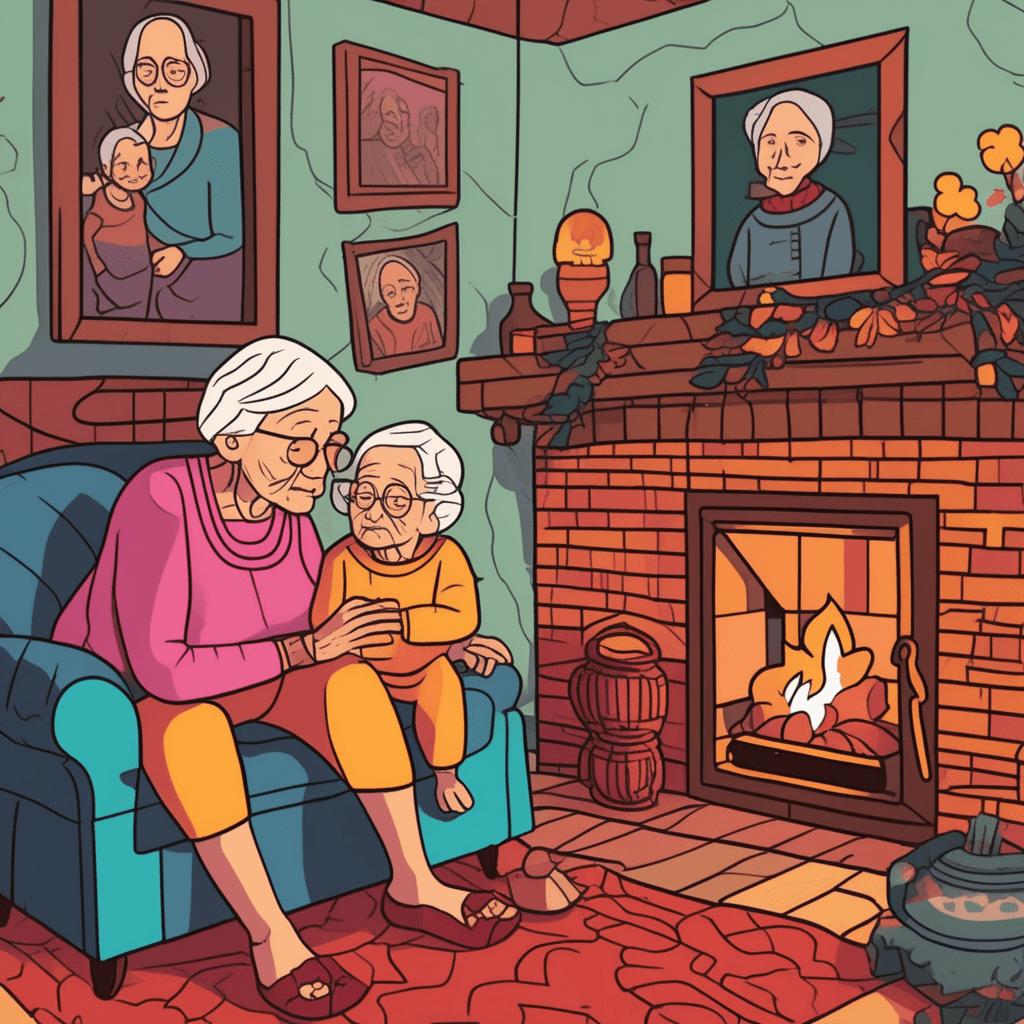
Her native tongue soothes the young, while memories are hung!
Got the picture? Now let's practice.
🎤Pronunciation
🌳Etymology
Origin
Native derives from Latin nativus, meaning 'born' or 'innate', while tongue comes from Old English tunge, referring to the physical tongue. Together, the phrase describes a language spoken naturally from birth, as if it were one's native instrument of speech.
Breakdown
native (from Latin nativus, 'born') + tongue (from Old English tunge, 'the tongue'). The compound expresses the idea of a language acquired naturally through one's native linguistic environment from earliest childhood.
🎵Rhyme
🔗Collocations
📝Examples
“When angry, people often swear in their native tongue.”
“She dreams in her native tongue even after 20 years abroad.”
“My cat seems to understand Korean better than English - maybe Korean is his native tongue too!”
“Learning a second language made me appreciate my native tongue more.”
📚Related Words
Want to master 27,000+ words?
Sign up free for flashcards & quizzes.