inflection — a change in the form of a word to express tense, gender, number, etc.
Part of speech: NOUN
Definition: a change in the form of a word to express tense, gender, number, etc.
Pronunciation (IPA): /ɪnˈflekʃən/
Example Sentences
- My English teacher went crazy trying to explain inflection to students who thought 'goed' was a real word.
- His inflection made 'really?' sound like he didn't believe a word I said.
- Learning Korean inflection is like trying to solve a Rubik's cube while riding a unicycle.
inflection
NOUN[/ɪnˈflekʃən/]
a change in the form of a word to express tense, gender, number, etc.
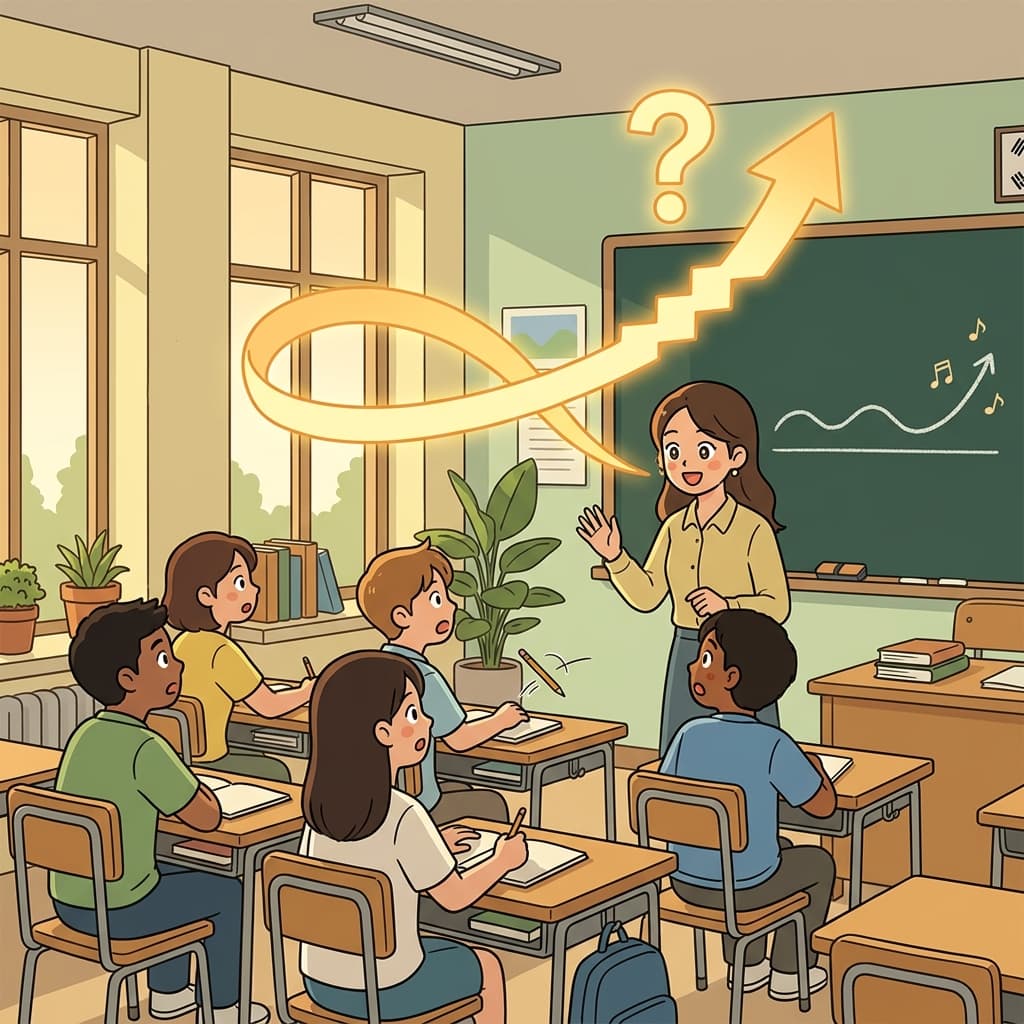
Her voice rose with a sharp inflection, turning the statement into a question.

Every inflection shows reflection, revealing language's deep connection
Got the picture? Now let's practice.
🎤Pronunciation
🌳Etymology
Origin
Derived from Latin inflectere, meaning 'to bend inward' or 'to curve.' The term was applied in grammar to describe the bending or modification of word forms to express different grammatical relationships.
Breakdown
in- (inward) + flectere (to bend, curve). The prefix in- denotes direction inward, while flectere is the Latin root meaning to flex or bend, literally describing the alteration of word forms.
🎵Rhyme
🔗Collocations
📝Examples
“My English teacher went crazy trying to explain inflection to students who thought 'goed' was a real word.”
“His inflection made 'really?' sound like he didn't believe a word I said.”
“Learning Korean inflection is like trying to solve a Rubik's cube while riding a unicycle.”
“The actor's perfect inflection made the audience laugh at just the right moments.”
📚Related Words
Want to master 27,000+ words?
Sign up free for flashcards & quizzes.