paraplegia — paralysis of the legs and lower body, typically caused by spinal cord injury
Part of speech: NOUN
Definition: paralysis of the legs and lower body, typically caused by spinal cord injury
Pronunciation (IPA): /ˌpærəˈpliːdʒə/
Example Sentences
- The superhero movie featured a brilliant scientist who used a wheelchair due to paraplegia but still saved the world.
- Medical advances have greatly improved the quality of life for people with paraplegia.
- The Paralympic athlete with paraplegia won three gold medals in wheelchair racing.
paraplegia
NOUN[/ˌpærəˈpliːdʒə/]
paralysis of the legs and lower body, typically caused by spinal cord injury

Paralysis of legs and lower body
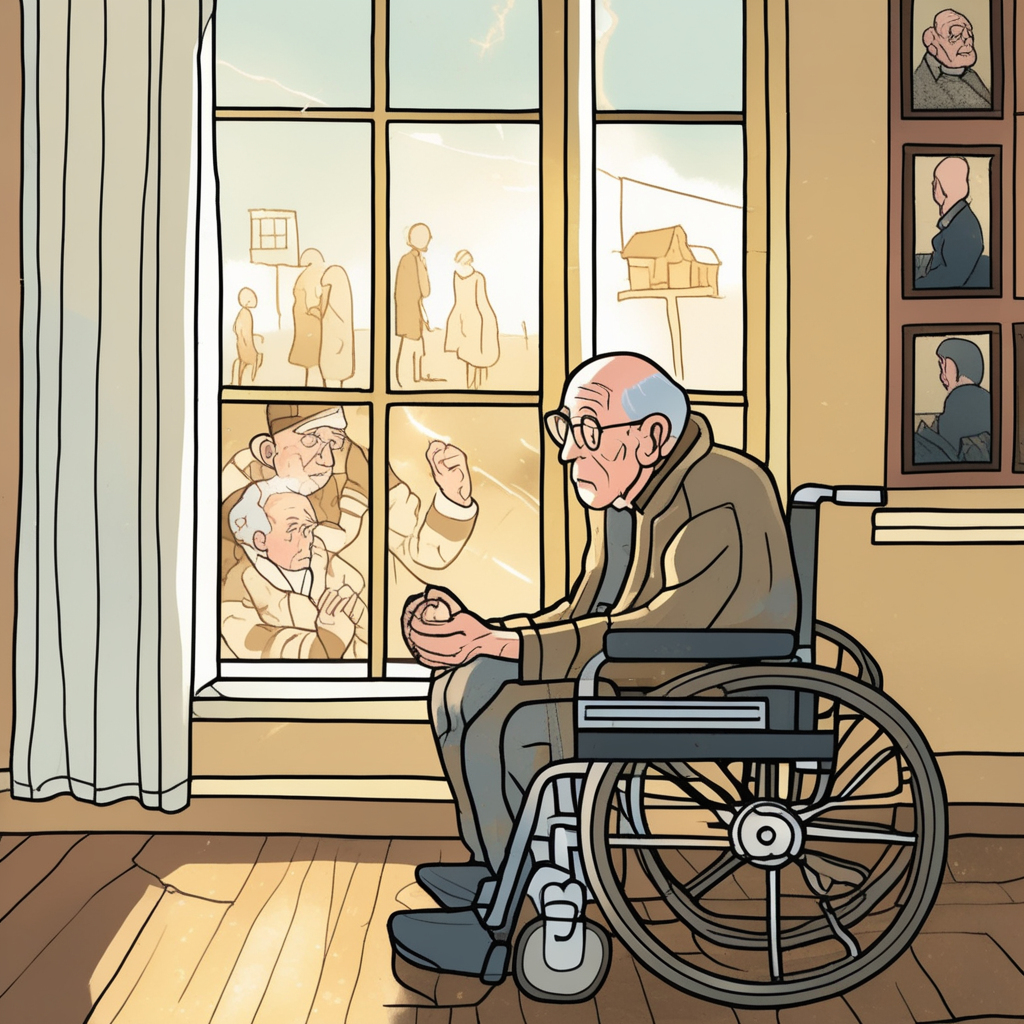
Paraplegia meets nostalgia in silent memories.
Got the picture? Now let's practice.
🎤Pronunciation
🌳Etymology
Origin
A medical term derived from Greek, combining para- (beside, alongside) and -plegia (stroke, paralysis). It originally referred to paralysis affecting one side or specific region of the body, particularly the lower limbs.
Breakdown
para- (beside, alongside) + -plegia (stroke, paralysis, from Greek plege meaning blow or stroke). The term literally describes a 'blow to the side' or paralysis of a specific bodily region.
🎵Rhyme
🔗Collocations
📝Examples
“The superhero movie featured a brilliant scientist who used a wheelchair due to paraplegia but still saved the world.”
“Medical advances have greatly improved the quality of life for people with paraplegia.”
“The Paralympic athlete with paraplegia won three gold medals in wheelchair racing.”
📚Related Words
Synonyms
Antonyms
Related
Want to master 19,000+ words?
Sign up free for flashcards & quizzes.