gape — to stare with one's mouth open wide, typically in amazement or wonder
Part of speech: VERB
Definition: to stare with one's mouth open wide, typically in amazement or wonder
Pronunciation (IPA): /ɡeɪp/
Example Sentences
- The tourists gaped at the celebrity like he was an alien from Mars.
- My jaw gaped when I saw my electricity bill this month.
- The students gaped at their teacher who came to school wearing pajamas.
gape
VERB[/ɡeɪp/]
to stare with one's mouth open wide, typically in amazement or wonder
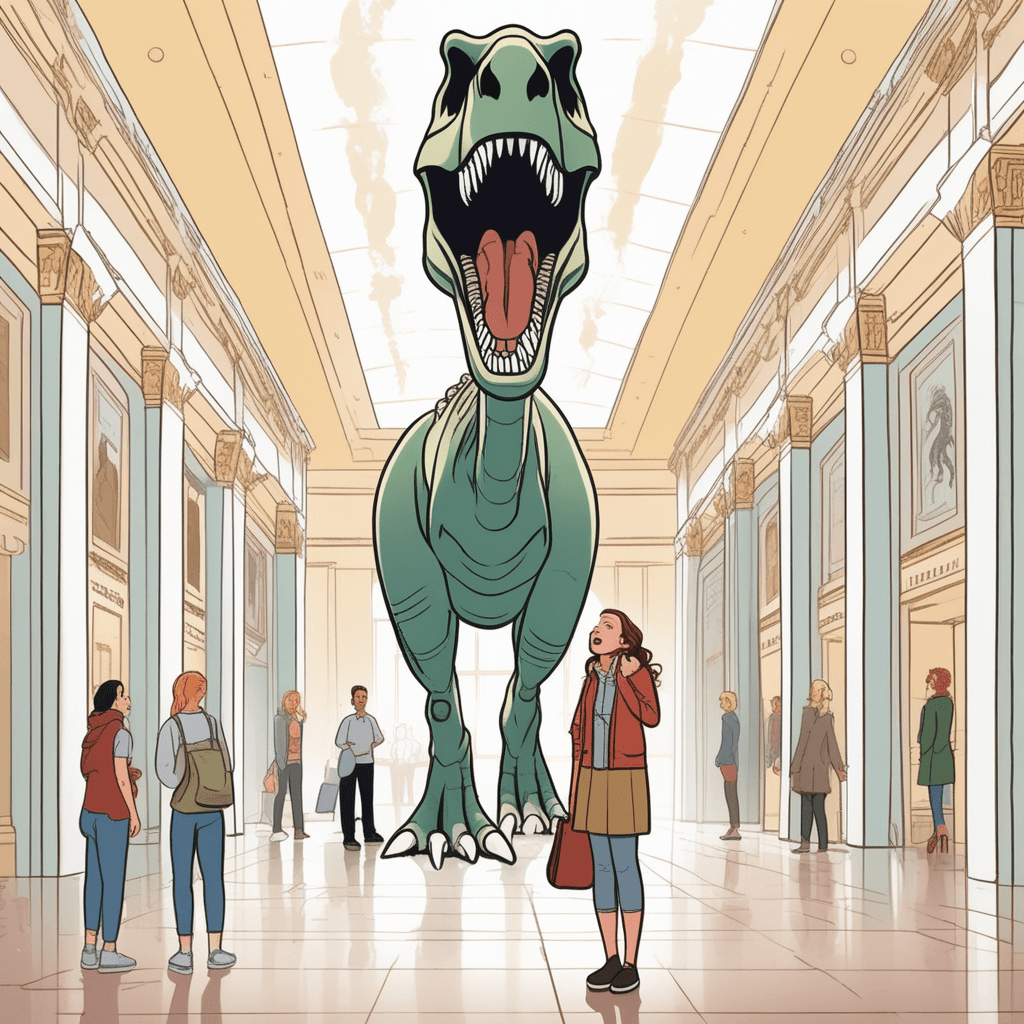
Staring with mouth wide open
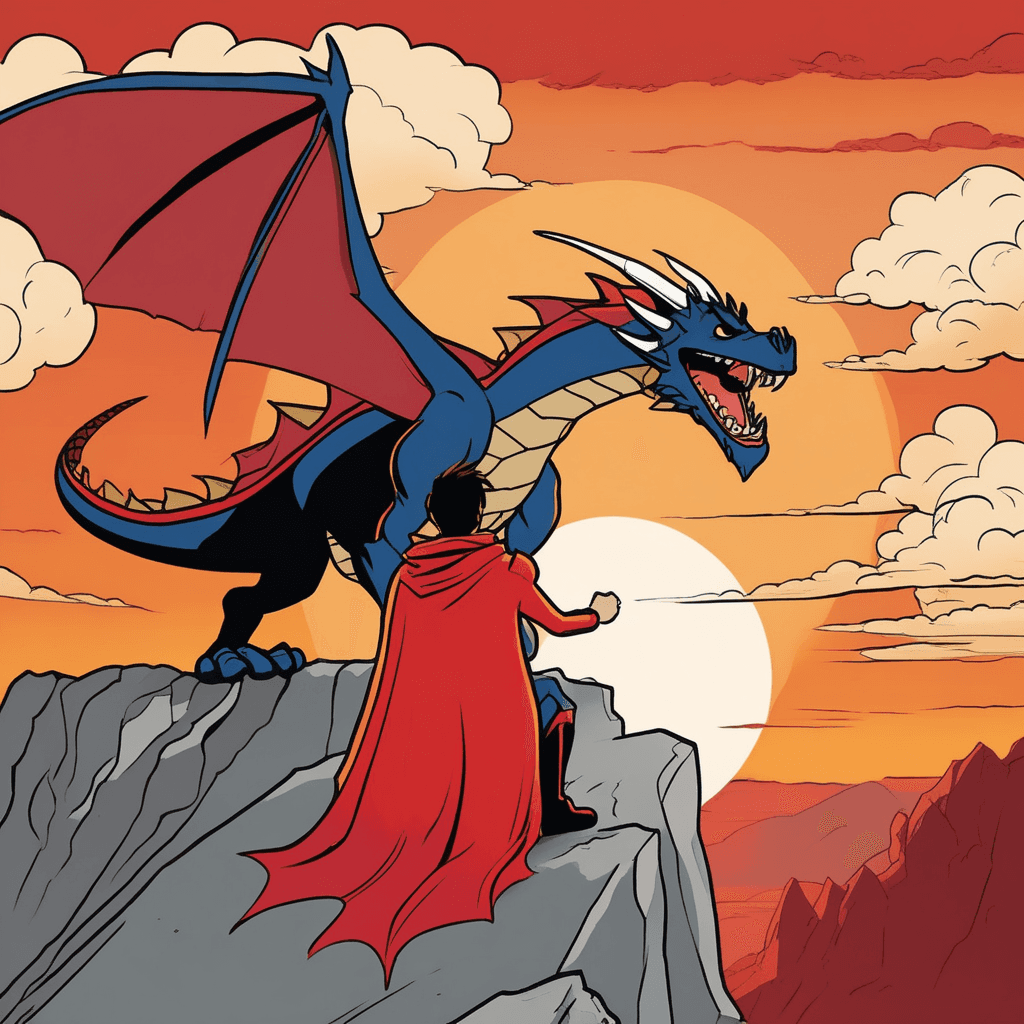
In his cape, he can only gape at the dragon's majestic shape!
Got the picture? Now let's practice.
🎤Pronunciation
🌳Etymology
Origin
Derived from Old Norse 'gapa', meaning 'to yawn' or 'to open the mouth wide'. The word shares a common etymological root with 'yawn', both referring to the physical action of opening the mouth broadly.
Breakdown
gapa (Old Norse root: to gape, yawn) — a simple root verb with no productive morphological components in the modern English form.
🎵Rhyme
🔗Collocations
📝Examples
“The tourists gaped at the celebrity like he was an alien from Mars.”
“My jaw gaped when I saw my electricity bill this month.”
“The students gaped at their teacher who came to school wearing pajamas.”
“A gaping chasm appeared in the road after the heavy rain.”
📚Related Words
Want to master 27,000+ words?
Sign up free for flashcards & quizzes.