lean against — to rest against something for support; to put your body weight against something
Part of speech: VERB
Definition: to rest against something for support; to put your body weight against something
Pronunciation (IPA): /liːn əˈɡenst/
Example Sentences
- The lazy cat decided to lean against the warm laptop instead of the cold floor.
- After running the marathon, he had to lean against every lamppost on his way home.
- Don't lean against that freshly painted wall!
lean against
VERB[/liːn əˈɡenst/]
to rest against something for support; to put your body weight against something

a tired jogger in athletic wear places their back against the thick trunk of an oak tree. The person's full body weight rests against the solid bark surface while they catch their breath. Their running shoes are planted firmly on the ground as they use the tree for complete support. Another jogger nearby stretches on a bench, also taking a rest break. A few fallen leaves scatter around the base of the supportive tree trunk. someone leaning against something to rest their body weight for support
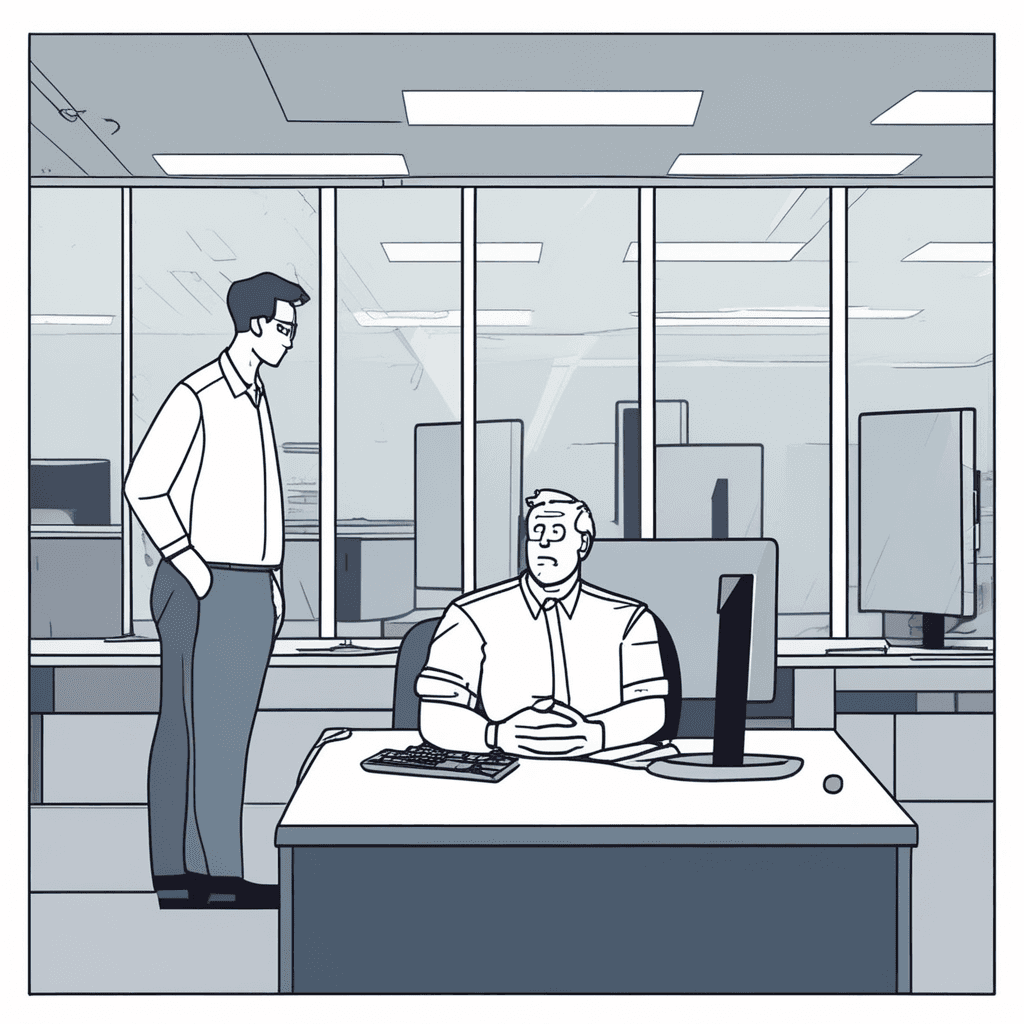
Lean against the clean wall by the bright screen
Got the picture? Now let's practice.
🎤Pronunciation
🌳Etymology
Origin
Lean derives from Old English hleonian, meaning 'to incline' or 'to bend'. Against combines Old English on ('against') and again ('back, opposite'), originally meaning 'facing' or 'in contact with the opposite side'.
Breakdown
lean (Old English hleonian, 'to incline') + against (on + again, literally 'facing opposite direction'). Together they form a phrasal verb meaning to rest one's body against something at an angle.
🎵Rhyme
🔗Collocations
📝Examples
“The lazy cat decided to lean against the warm laptop instead of the cold floor.”
“After running the marathon, he had to lean against every lamppost on his way home.”
“Don't lean against that freshly painted wall!”
“She likes to lean against the window and watch the rain.”
📚Related Words
Want to master 27,000+ words?
Sign up free for flashcards & quizzes.