tailwind — a wind blowing from behind in the direction of travel of a vehicle or aircraft
Part of speech: NOUN
Definition: a wind blowing from behind in the direction of travel of a vehicle or aircraft
Pronunciation (IPA): /ˈteɪlwɪnd/
Example Sentences
- My marathon time was amazing because I had a tailwind the entire race!
- The startup rode the tailwind of the AI boom to become a unicorn company.
- Thanks to the tailwind, even my paper airplane flew across the entire classroom!
tailwind
NOUN[/ˈteɪlwɪnd/]
a wind blowing from behind in the direction of travel of a vehicle or aircraft

Wind pushing from behind
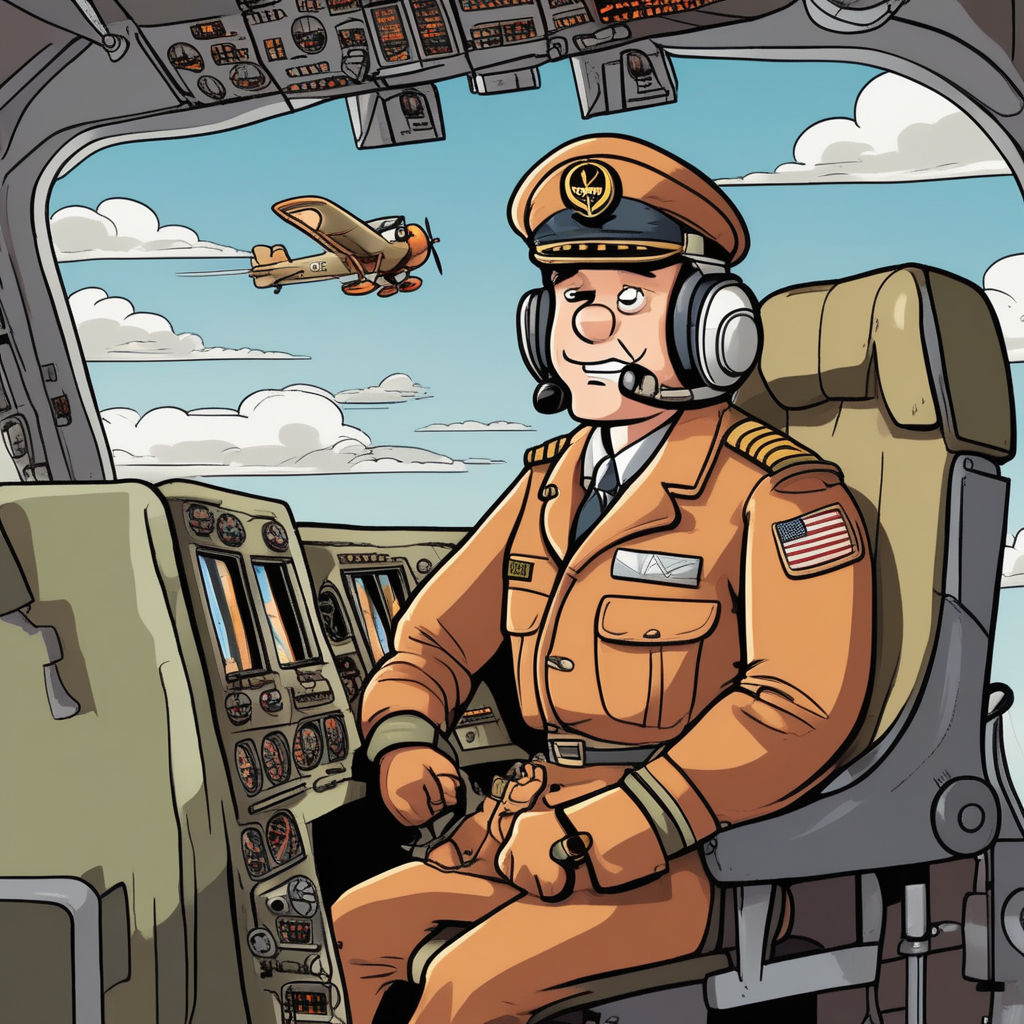
The disciplined pilot felt chagrined when tailwinds made him too fast!
Got the picture? Now let's practice.
🎤Pronunciation
🌳Etymology
Origin
Tailwind emerged as a compound word in the late 19th century, combining 'tail' (meaning rear or posterior) and 'wind' (meaning air current). The term gained prominence with the development of aviation, where it specifically denotes wind blowing from behind an aircraft or vessel, providing forward momentum.
Breakdown
tail (rear, posterior part) + wind (air current or breeze). The compound describes wind approaching from behind, contrasting with headwind.
🎵Rhyme
🔗Collocations
📝Examples
“My marathon time was amazing because I had a tailwind the entire race!”
“The startup rode the tailwind of the AI boom to become a unicorn company.”
“Thanks to the tailwind, even my paper airplane flew across the entire classroom!”
“The cyclist was so happy about the tailwind that he forgot he'd have to ride back against it.”
📚Related Words
Synonyms
Antonyms
Related
Want to master 19,000+ words?
Sign up free for flashcards & quizzes.