siblings — brothers and sisters; children of the same parents
Part of speech: NOUN
Definition: brothers and sisters; children of the same parents
Pronunciation (IPA): /ˈsɪblɪŋz/
Example Sentences
- My siblings and I always fight over the TV remote, but we share snacks like best friends.
- Having siblings means you never eat alone, but you also never eat in peace.
- Research shows that siblings who grow up together develop better social skills.
siblings
NOUN[/ˈsɪblɪŋz/]
brothers and sisters; children of the same parents
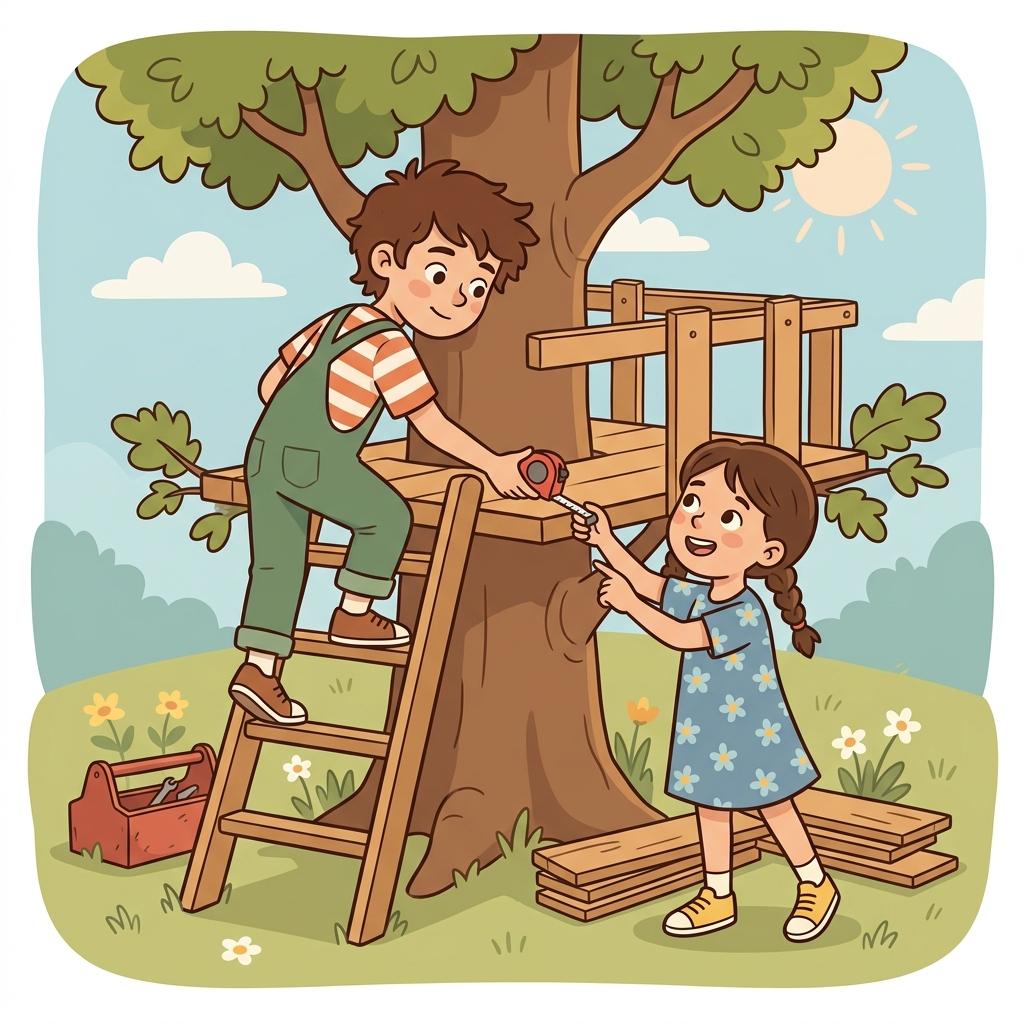
The siblings worked together to build a treehouse.

The younger sibling looked up to her older brother. (SAME PARENTS + FAMILY MEMBER = SIBLING)

Siblings kept giggling as old memories came jingling back.
Got the picture? Now let's practice.
🎤Pronunciation
🌳Etymology
Origin
The word derives from Old English 'sibling', a compound formed from 'sib' (meaning kinsman or blood relative) and the diminutive suffix '-ling' (meaning little or small). Originally, it referred to blood relatives in a general sense, particularly those within the same family.
Breakdown
sib (kinsman, blood relative) + -ling (diminutive suffix meaning little or small). The '-ling' suffix originally emphasized familial connection rather than small size.
🎵Rhyme
🔗Collocations
📝Examples
“My siblings and I always fight over the TV remote, but we share snacks like best friends.”
“Having siblings means you never eat alone, but you also never eat in peace.”
“Research shows that siblings who grow up together develop better social skills.”
“She's the oldest of four siblings and acts like a second mother.”
📚Related Words
Want to master 17,000+ words?
Sign up free for flashcards & quizzes.