literature — written works, especially those considered of superior or lasting artistic merit
Part of speech: NOUN
Definition: written works, especially those considered of superior or lasting artistic merit
Pronunciation (IPA): /ˈlɪtərətʃər/
Example Sentences
- My professor assigns so much literature that my bookshelf collapsed under the weight of Shakespeare and Dickens.
- The literature on artificial intelligence has grown exponentially in recent years.
- He's so obsessed with literature that he quotes Hamlet during casual conversations about the weather.
literature
NOUN[/ˈlɪtərətʃər/]
written works, especially those considered of superior or lasting artistic merit

She loses herself in classic literature every rainy afternoon at the old bookstore.
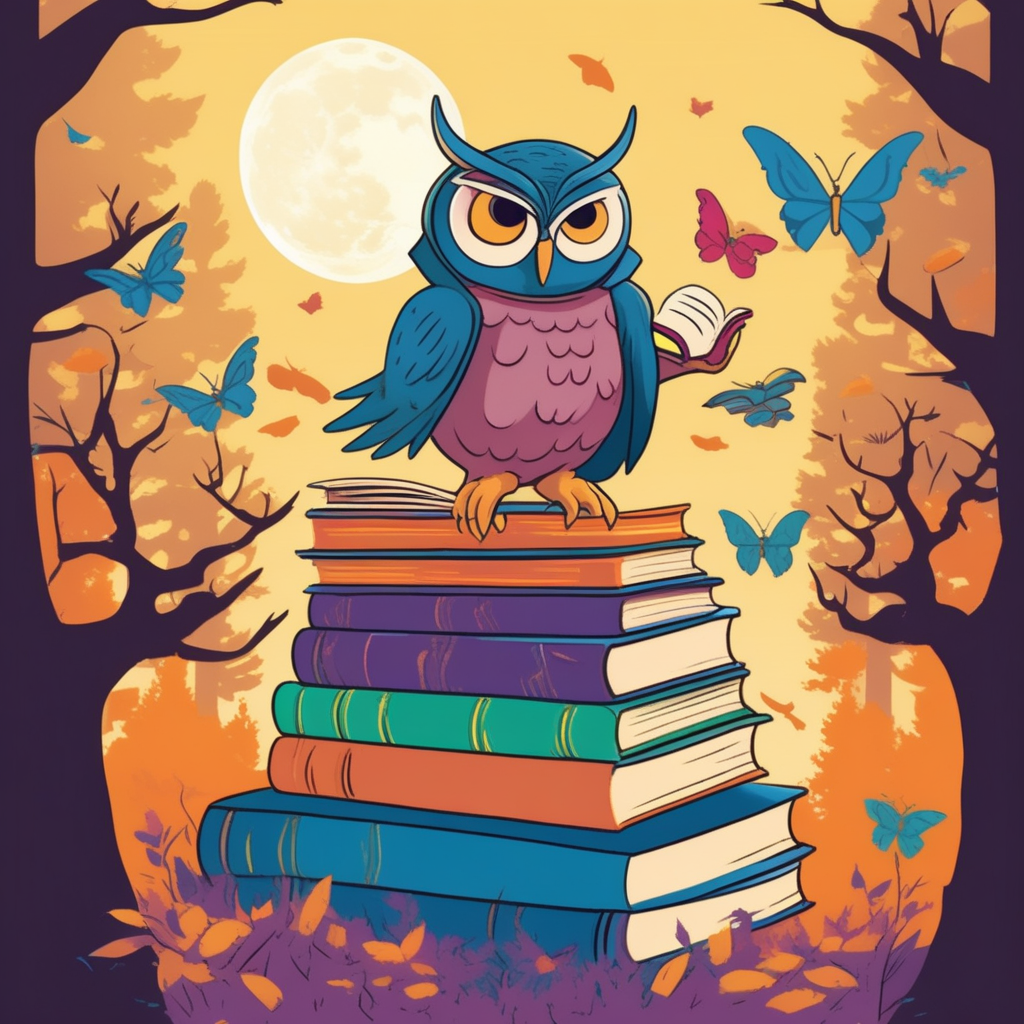
Literature brings nature and creature together
Got the picture? Now let's practice.
🎤Pronunciation
🌳Etymology
Origin
Literature derives from Latin 'litteratura', which is based on 'littera' meaning 'letter' or 'written character'. Originally denoting the ability to read and write, the term evolved over time to encompass written works of artistic and intellectual value.
Breakdown
littera (letter, written character) + -atura (action, result, state). The suffix -atura forms nouns indicating the result or practice of an action, thus creating 'litteratura' meaning 'the collection of written works' or 'writing as a practice'.
🎵Rhyme
🔗Collocations
📝Examples
“My professor assigns so much literature that my bookshelf collapsed under the weight of Shakespeare and Dickens.”
“The literature on artificial intelligence has grown exponentially in recent years.”
“He's so obsessed with literature that he quotes Hamlet during casual conversations about the weather.”
“The Nobel Prize in Literature recognizes outstanding contributions to the field.”
📚Related Words
Synonyms
Antonyms
Related
Want to master 19,000+ words?
Sign up free for flashcards & quizzes.