bias — prejudice in favor of or against one thing, person, or group
Part of speech: NOUN
Definition: prejudice in favor of or against one thing, person, or group
Pronunciation (IPA): /ˈbaɪəs/
Example Sentences
- My mom has a serious bias towards Korean food - she thinks pizza is just 'bread with stuff on it.'
- The survey results may be biased because only smartphone users participated.
- Teachers should avoid showing bias towards students who always do their homework.
bias
NOUN[/ˈbaɪəs/]
prejudice in favor of or against one thing, person, or group
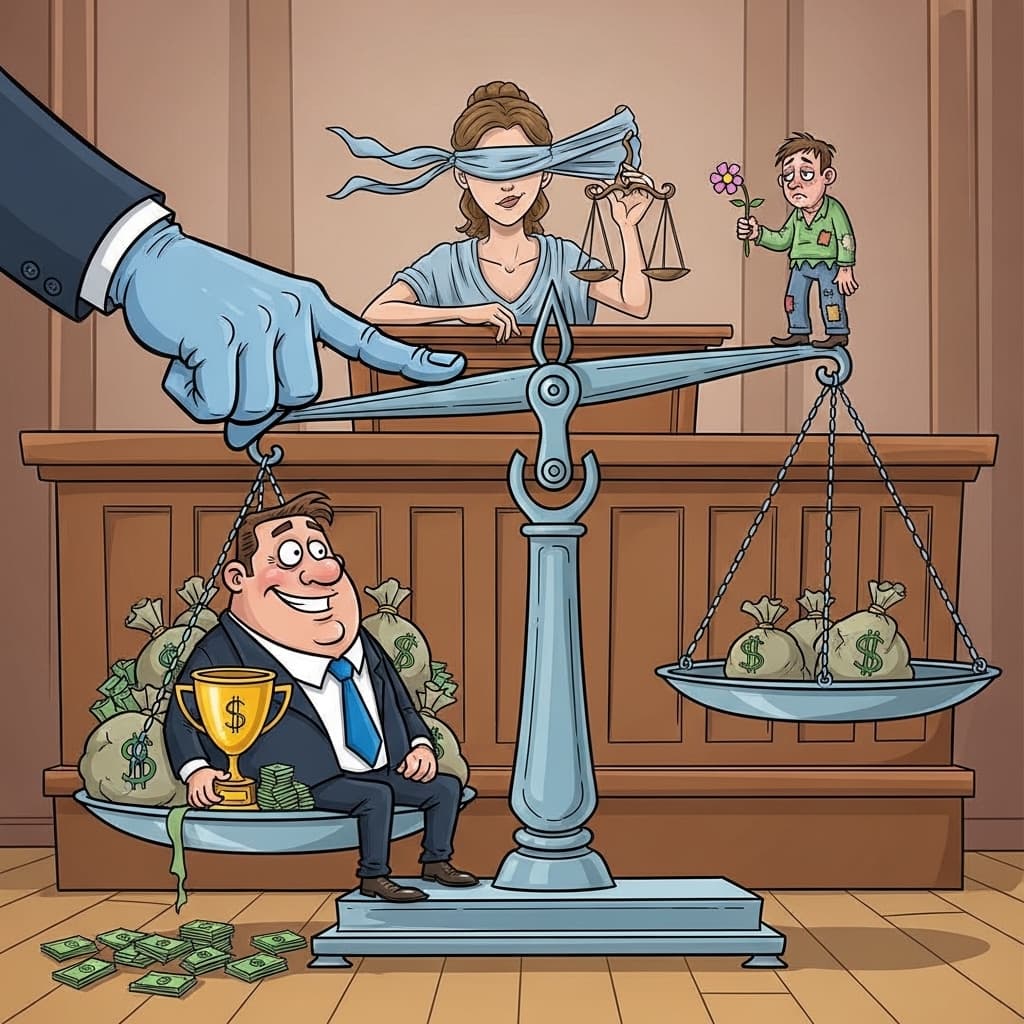
An unfair preference that favors one side over another.

The referee's bias upset the players. (BIAS = LEAN TO ONE SIDE → an unfair tendency toward one side)

"Siri tried to buy us pizza again — her bias says pepperoni is the only friend."
Got the picture? Now let's practice.
🎤Pronunciation
🌳Etymology
Origin
From French 'biais' meaning oblique or slant, likely from Old Occitan 'biais' or Italian 'biascia'. The word entered English in the 16th century originally referring to a diagonal line or slant, later developing the figurative meaning of prejudice or inclination.
Breakdown
No productive morpheme breakdown in English. 'Bias' is a root word borrowed from French 'biais' (oblique/slant) with no standard English prefixes or suffixes that clearly decompose its meaning.
🎵Rhyme
🔗Collocations
📝Examples
“My mom has a serious bias towards Korean food - she thinks pizza is just 'bread with stuff on it.'”
“The survey results may be biased because only smartphone users participated.”
“Teachers should avoid showing bias towards students who always do their homework.”
“His bias against vegetables is so strong that he considers ketchup a salad.”
📚Related Words
Want to master 27,000+ words?
Sign up free for flashcards & quizzes.