prejudice — preconceived opinion that is not based on reason or actual experience
Part of speech: NOUN
Definition: preconceived opinion that is not based on reason or actual experience
Pronunciation (IPA): /ˈpredʒədɪs/
Example Sentences
- My grandmother's prejudice against smartphones disappeared when she discovered cat videos on YouTube.
- Education is the best weapon against ignorance and prejudice.
- His prejudice against pineapple pizza was so strong that he started a protest group.
prejudice
NOUN[/ˈpredʒədɪs/]
preconceived opinion that is not based on reason or actual experience
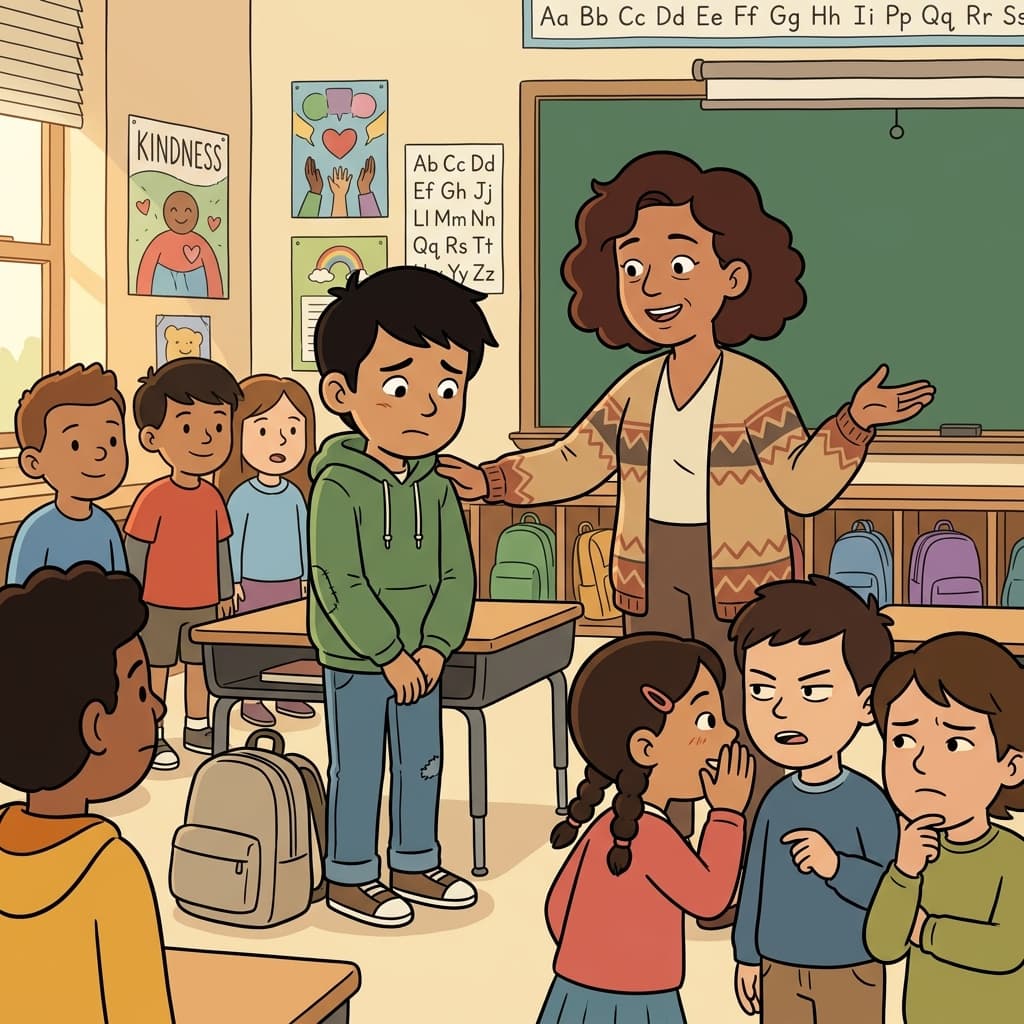
The teacher asked the students not to show prejudice by judging the new boy by his clothes.

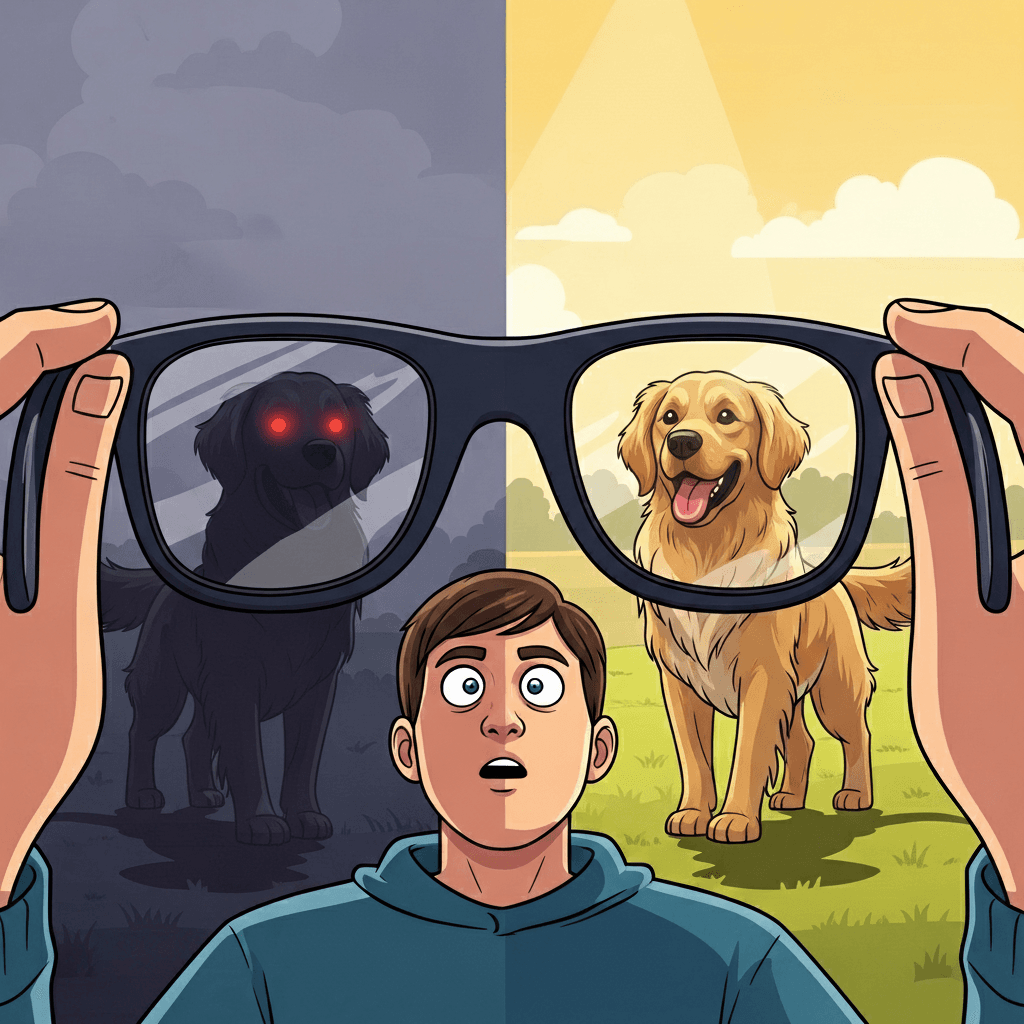
"Prejudice won't suffice — open your eyes and think twice."
Got the picture? Now let's practice.
🎤Pronunciation
🌳Etymology
Origin
From Latin 'praejudicium', meaning a judgment made beforehand. It combines the prefix 'prae-' (before) with 'judicium' (judgment), derived from 'iudex' (judge).
Breakdown
pre- (before) + judic- (judge, from Latin iudicium) + -e (verb ending) = prejudice
🎵Rhyme
🔗Collocations
📝Examples
“My grandmother's prejudice against smartphones disappeared when she discovered cat videos on YouTube.”
“Education is the best weapon against ignorance and prejudice.”
“His prejudice against pineapple pizza was so strong that he started a protest group.”
“The judge warned the lawyers not to prejudice the jury with irrelevant information.”
📚Related Words
Want to master 27,000+ words?
Sign up free for flashcards & quizzes.