disjoin — to separate or disconnect things that were previously joined or united
Part of speech: VERB
Definition: to separate or disconnect things that were previously joined or united
Pronunciation (IPA): /dɪsˈdʒɔɪn/
Example Sentences
- My headphones disjoined from the cable right in the middle of my favorite song.
- The two nations decided to disjoin their trade agreement after years of disputes.
- He tried to disjoin the puzzle pieces, but they were glued together as a prank.
disjoin
VERB[/dɪsˈdʒɔɪn/]
to separate or disconnect things that were previously joined or united
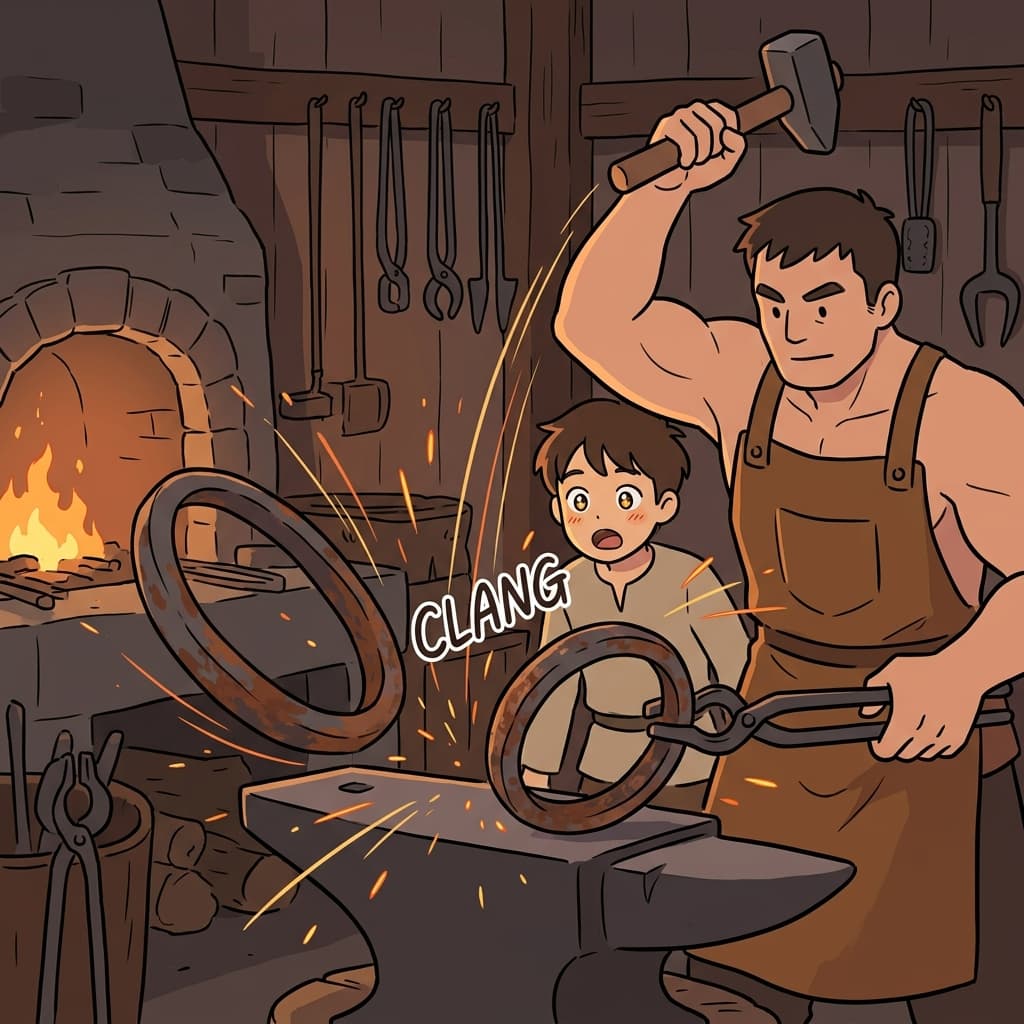
The blacksmith struck hard to disjoin the two rusted iron rings.
Got the picture? Now let's practice.
🎤Pronunciation
🌳Etymology
Origin
Derived from Latin, combining the prefix 'dis-' (meaning separation or opposition) with 'jungere' (to join or bind together). The prefix reverses the meaning of the root, creating a word denoting the act of separating or unbinding what was previously joined.
Breakdown
dis- (apart, separation) + jungere (to join, bind) = disjoin (to separate, disconnect, or undo a joining)
🎵Rhyme
🔗Collocations
📝Examples
“My headphones disjoined from the cable right in the middle of my favorite song.”
“The two nations decided to disjoin their trade agreement after years of disputes.”
“He tried to disjoin the puzzle pieces, but they were glued together as a prank.”
“The committee voted to disjoin the two departments to improve efficiency.”
📚Related Words
Want to master 27,000+ words?
Sign up free for flashcards & quizzes.