shiver — to shake slightly because of cold, fear, or excitement
Part of speech: VERB
Definition: to shake slightly because of cold, fear, or excitement
Pronunciation (IPA): /ˈʃɪvər/
Example Sentences
- The horror movie made me shiver even though it was summer.
- My dog shivers every time he sees the vet, but wags his tail at the same time.
- She couldn't stop shivering after jumping into the ice-cold pool.
shiver
VERB[/ˈʃɪvər/]
to shake slightly because of cold, fear, or excitement
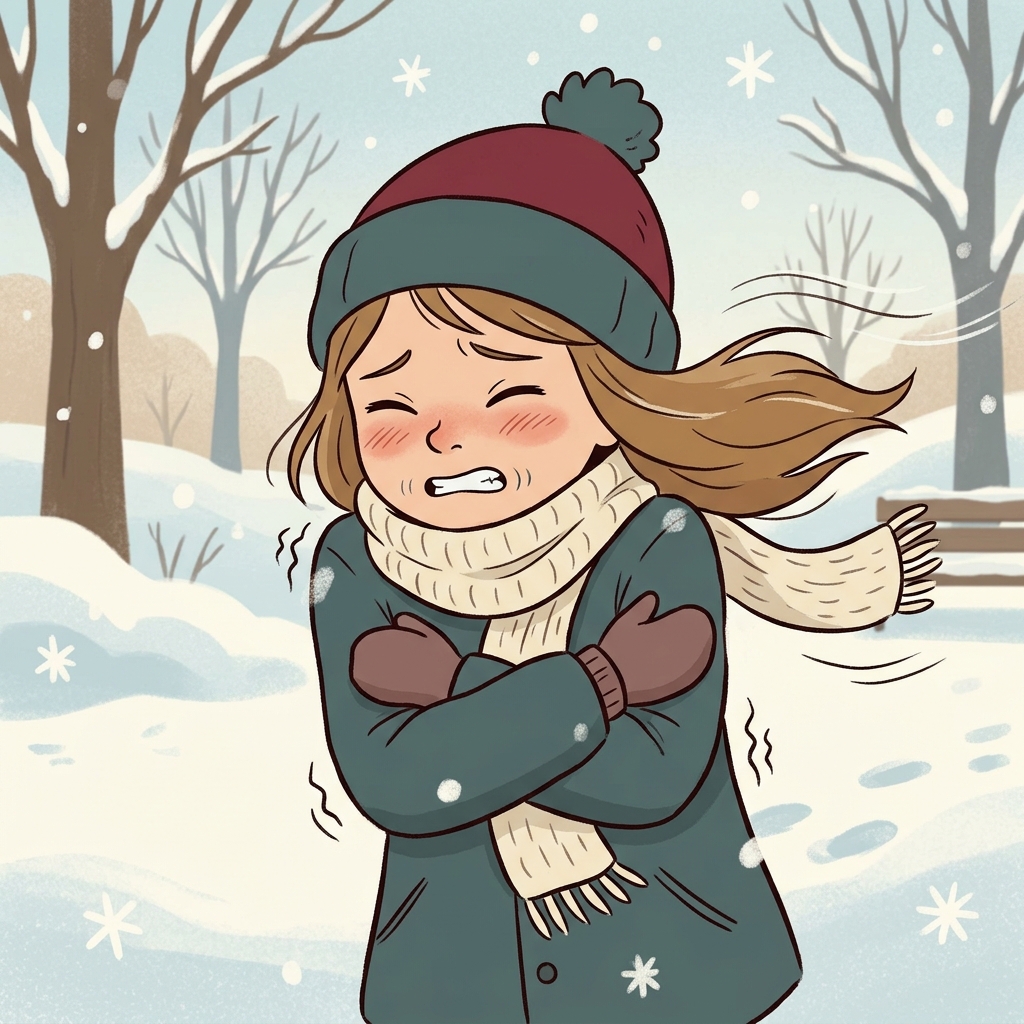
The little girl shivered in the cold wind.
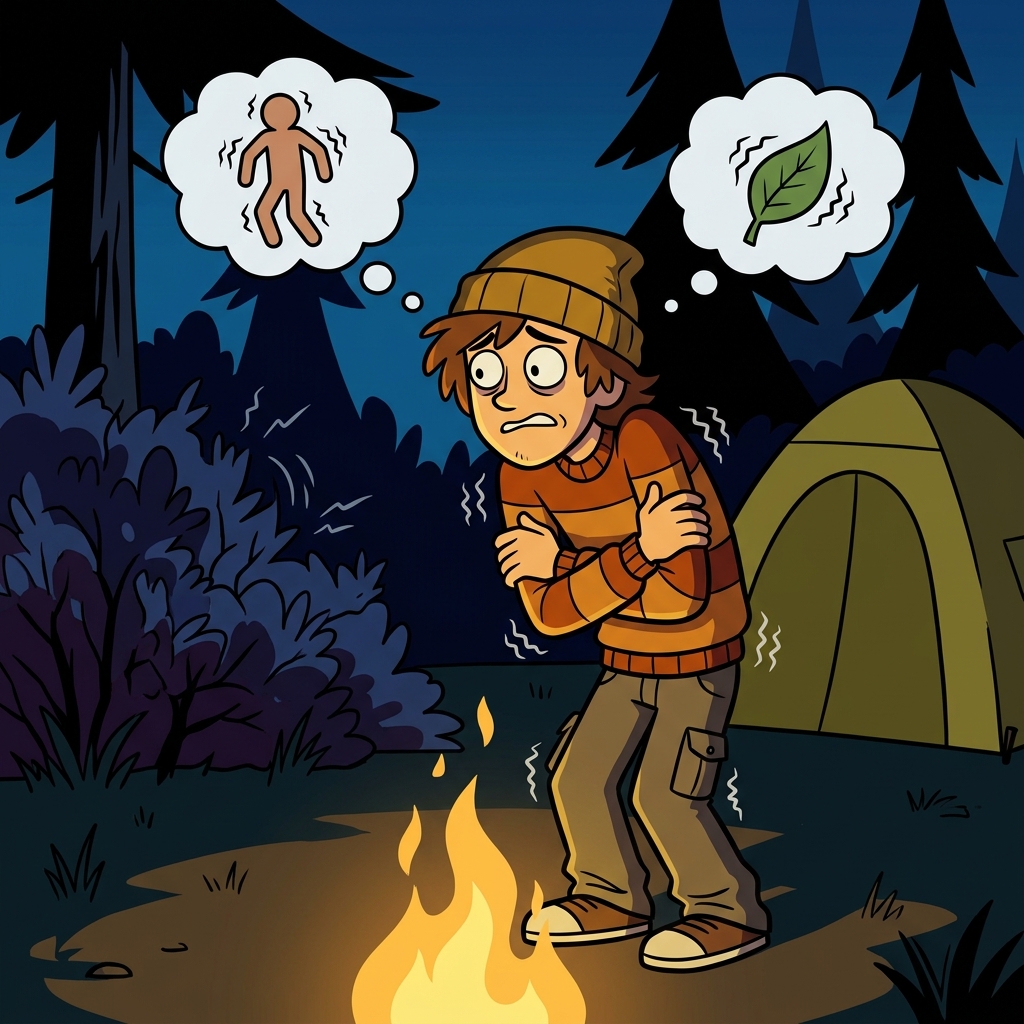
He shivered with fear when he heard the strange noise.
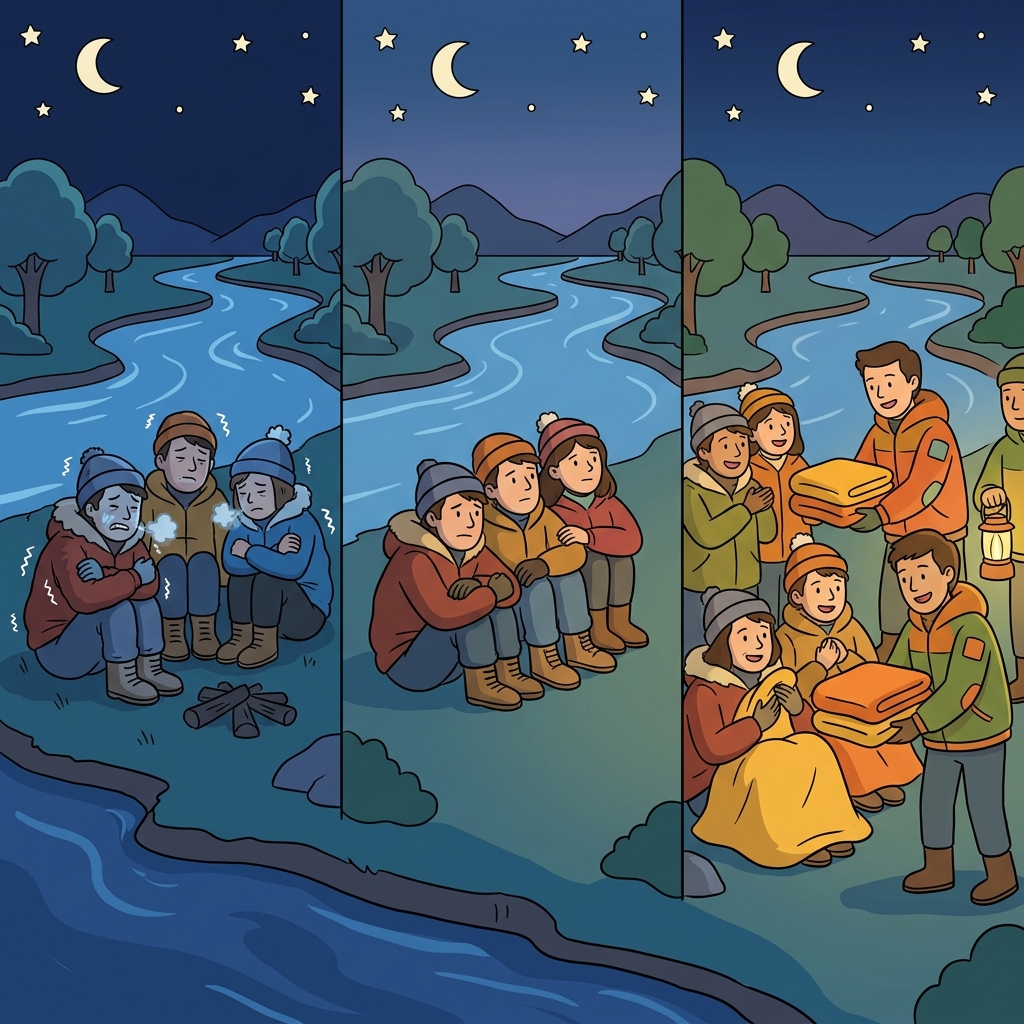
The campers shivered by the river until warm blankets were delivered.
Got the picture? Now let's practice.
🎤Pronunciation
🌳Etymology
Origin
Derived from Middle English 'shiveren', originally meaning 'to break into fragments' or 'to shatter'. Over time, the word underwent semantic shift, with the physical sensation of trembling likened metaphorically to the fragmentation or shattering motion, eventually becoming the primary meaning of bodily trembling.
Breakdown
The word evolved from the verb 'shiveren' (to shatter, to break apart) to 'shiver', where the root meaning of fragmentation was transferred to describe the rapid, involuntary movements of the body, particularly in response to cold or fear.
🎵Rhyme
🔗Collocations
📝Examples
“The horror movie made me shiver even though it was summer.”
“My dog shivers every time he sees the vet, but wags his tail at the same time.”
“She couldn't stop shivering after jumping into the ice-cold pool.”
“The thought of eating expired milk gives me shivers.”
📚Related Words
Synonyms
Antonyms
Related
Want to master 19,000+ words?
Sign up free for flashcards & quizzes.