self-concept — the idea or mental image one has of oneself and one's strengths, weaknesses, status, etc.
Part of speech: NOUN
Definition: the idea or mental image one has of oneself and one's strengths, weaknesses, status, etc.
Pronunciation (IPA): /ˈsɛlf kənˌsɛpt/
Example Sentences
- His self-concept is so inflated, he probably thinks this dictionary is about him.
- After failing the test, his self-concept took a serious hit.
- She has such a strong self-concept that criticism just bounces off her like rubber balls.
self-concept
NOUN[/ˈsɛlf kənˌsɛpt/]
the idea or mental image one has of oneself and one's strengths, weaknesses, status, etc.
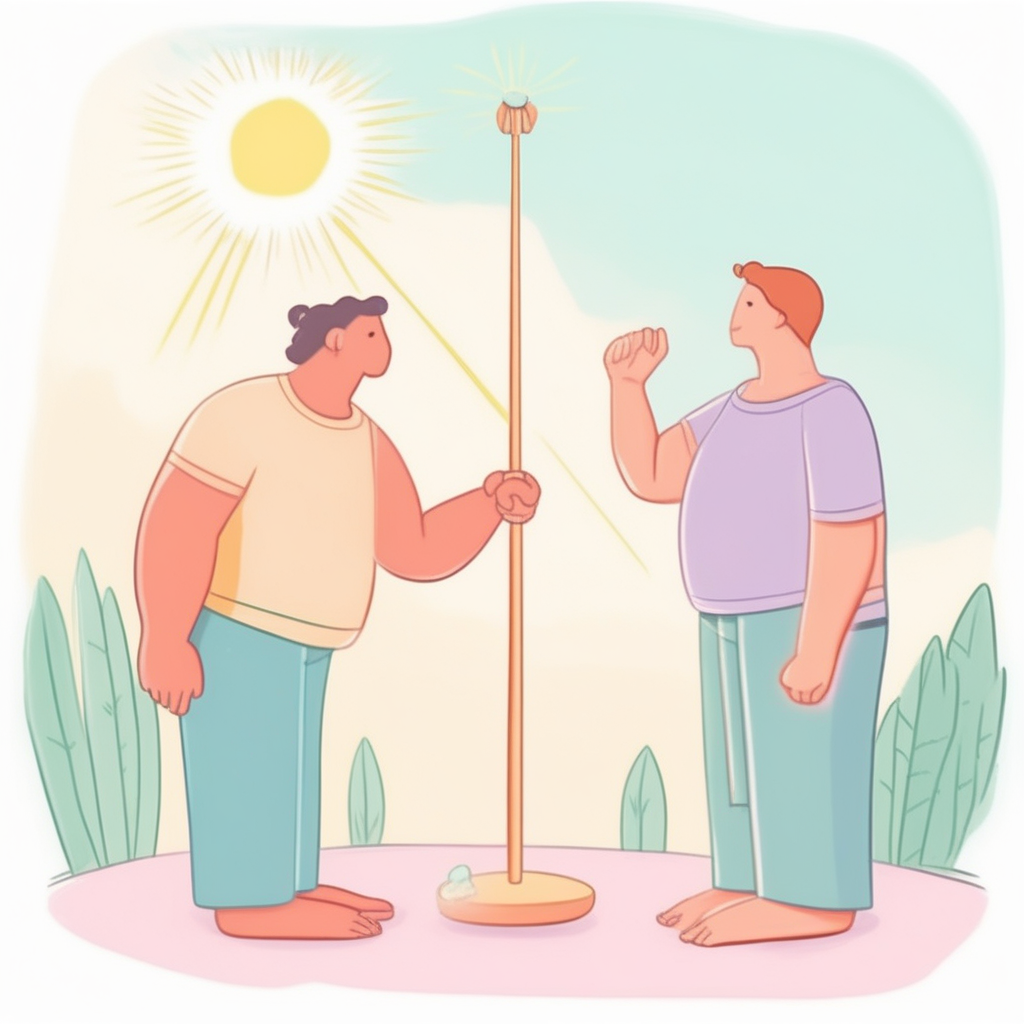
the idea or mental image one has of oneself and one's strengths, weaknesses, status, etc.

Her self-concept grows clearer through each precept she follows!
Got the picture? Now let's practice.
🎤Pronunciation
🌳Etymology
🎵Rhyme
🔗Collocations
📝Examples
“His self-concept is so inflated, he probably thinks this dictionary is about him.”
“After failing the test, his self-concept took a serious hit.”
“She has such a strong self-concept that criticism just bounces off her like rubber balls.”
“Parents play a crucial role in shaping their children's self-concept.”
📚Related Words
Synonyms
Antonyms
Related
Want to master 19,000+ words?
Sign up free for flashcards & quizzes.