alienate — to make someone feel isolated or estranged
Part of speech: VERB
Definition: to make someone feel isolated or estranged
Pronunciation (IPA): /ˈeɪliəneɪt/
Example Sentences
- The CEO's decision to cut all employee benefits alienated the entire workforce.
- Tom's habit of correcting everyone's grammar alienated him from his coworkers faster than a skunk at a perfume convention.
- The politician's controversial comments alienated moderate voters.
alienate
VERB[/ˈeɪliəneɪt/]
to make someone feel isolated or estranged

His rude behavior began to alienate his friends over time.
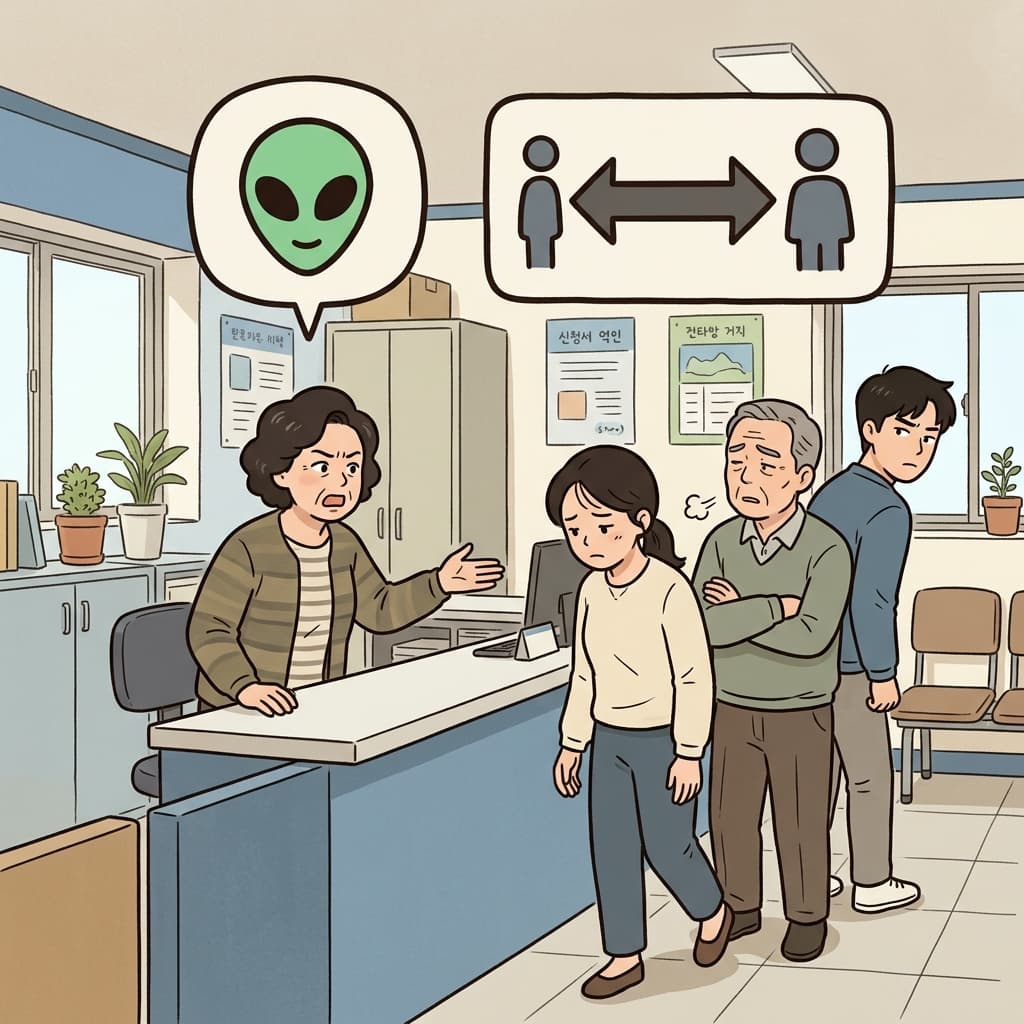
Negative comments can alienate loyal customers. (ALIEN + DISTANCE = ALIENATE → alienate means making someone feel distant like an outsider)

He alienated his teammates, who hesitated before they finally separated.
Got the picture? Now let's practice.
🎤Pronunciation
🌳Etymology
Origin
From Latin 'alienatus', past participle of 'alienare', meaning 'to make strange or estrange'. Derived from 'alienus' meaning 'of or belonging to another, foreign, strange'.
Breakdown
alien- (foreign, other) + -ate (verb suffix meaning to make or cause) = alienate (to make someone feel foreign or estranged)
🎵Rhyme
🔗Collocations
📝Examples
“The CEO's decision to cut all employee benefits alienated the entire workforce.”
“Tom's habit of correcting everyone's grammar alienated him from his coworkers faster than a skunk at a perfume convention.”
“The politician's controversial comments alienated moderate voters.”
“By constantly talking about his ex-girlfriend, Jake managed to alienate his new date within the first ten minutes.”
📚Related Words
Want to master 27,000+ words?
Sign up free for flashcards & quizzes.