uncannily — in a strange or mysterious way that makes you feel uncomfortable
Part of speech: ADVERB
Definition: in a strange or mysterious way that makes you feel uncomfortable
Pronunciation (IPA): /ʌnˈkænɪli/
Example Sentences
- The fortune teller's predictions were uncannily accurate.
- My dog uncannily knows when I'm about to leave the house.
- The empty school hallway was uncannily silent at midnight.
uncannily
ADVERB[/ʌnˈkænɪli/]
in a strange or mysterious way that makes you feel uncomfortable
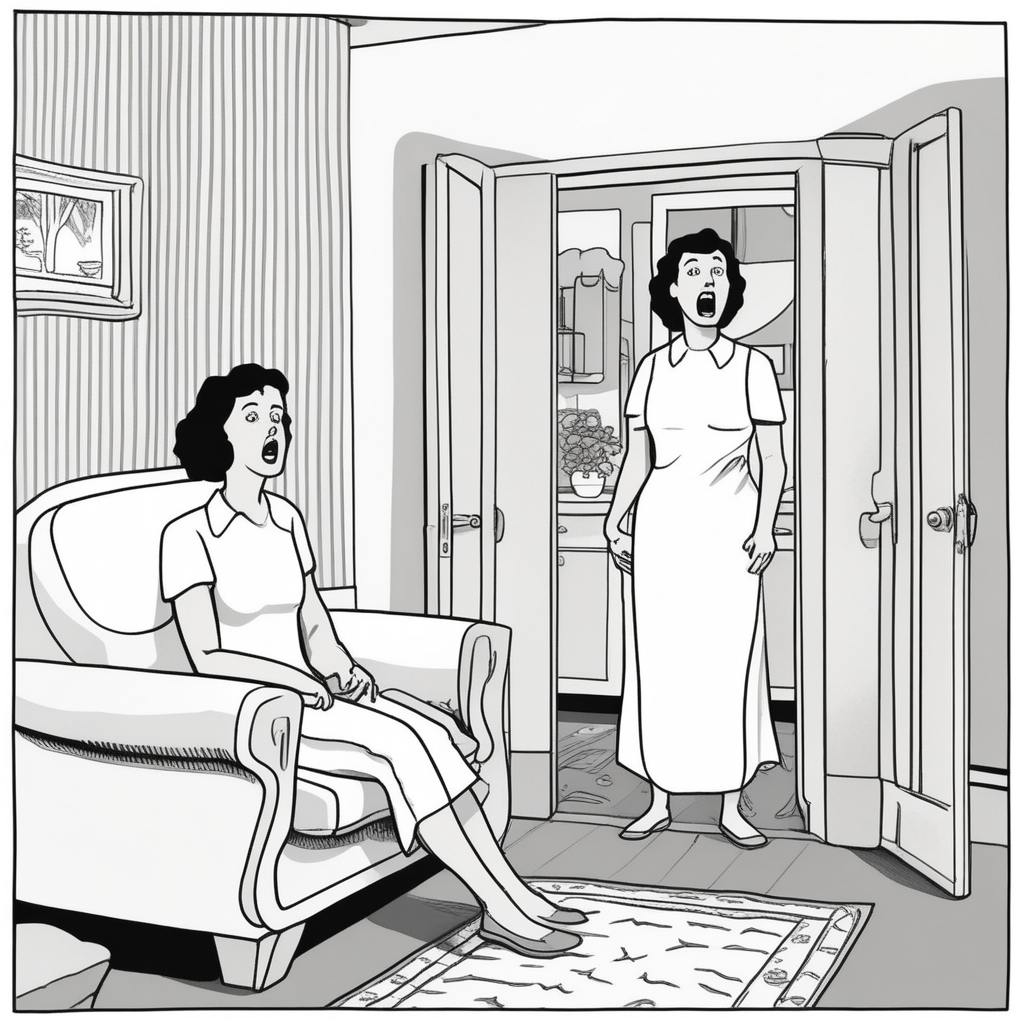
Unnaturally identical and deeply disturbing

The family portrait moves uncannily, yet they smile happily
Got the picture? Now let's practice.
🎤Pronunciation
🌳Etymology
Origin
The word derives from Scottish 'canny', meaning 'shrewd' or 'cautious', with the prefix 'un-' added to create the opposite sense. The resulting 'uncanny' emerged in English to describe something that is mysterious, eerie, or difficult to explain—as if beyond ordinary knowledge or comprehension.
Breakdown
un- (not) + canny (knowing, skillful) + -ly (in the manner of). The adverbial form 'uncannily' applies the manner suffix to the adjective 'uncanny', converting it to describe how something occurs in an eerie or mysteriously inexplicable way.
🎵Rhyme
🔗Collocations
📝Examples
“The fortune teller's predictions were uncannily accurate.”
“My dog uncannily knows when I'm about to leave the house.”
“The empty school hallway was uncannily silent at midnight.”
“He uncannily resembles his great-grandfather in old photos.”
📚Related Words
Synonyms
Antonyms
Related
Want to master 19,000+ words?
Sign up free for flashcards & quizzes.