linguistic diversity — the existence of a wide variety of languages within a particular geographical area or community
Part of speech: NOUN
Definition: the existence of a wide variety of languages within a particular geographical area or community
Pronunciation (IPA): /lɪŋˈɡwɪstɪk daɪˈvɜːrsəti/
Example Sentences
- The professor argued that social media is actually increasing linguistic diversity by creating new forms of digital communication.
- My family dinner table is a perfect example of linguistic diversity: Grandma speaks Korean, Dad speaks Konglish, and I speak fluent emoji.
- Urban areas often display remarkable linguistic diversity due to immigration and globalization.
linguistic diversity
NOUN[/lɪŋˈɡwɪstɪk daɪˈvɜːrsəti/]
the existence of a wide variety of languages within a particular geographical area or community

the existence of a wide variety of languages within a particular geographical area or community
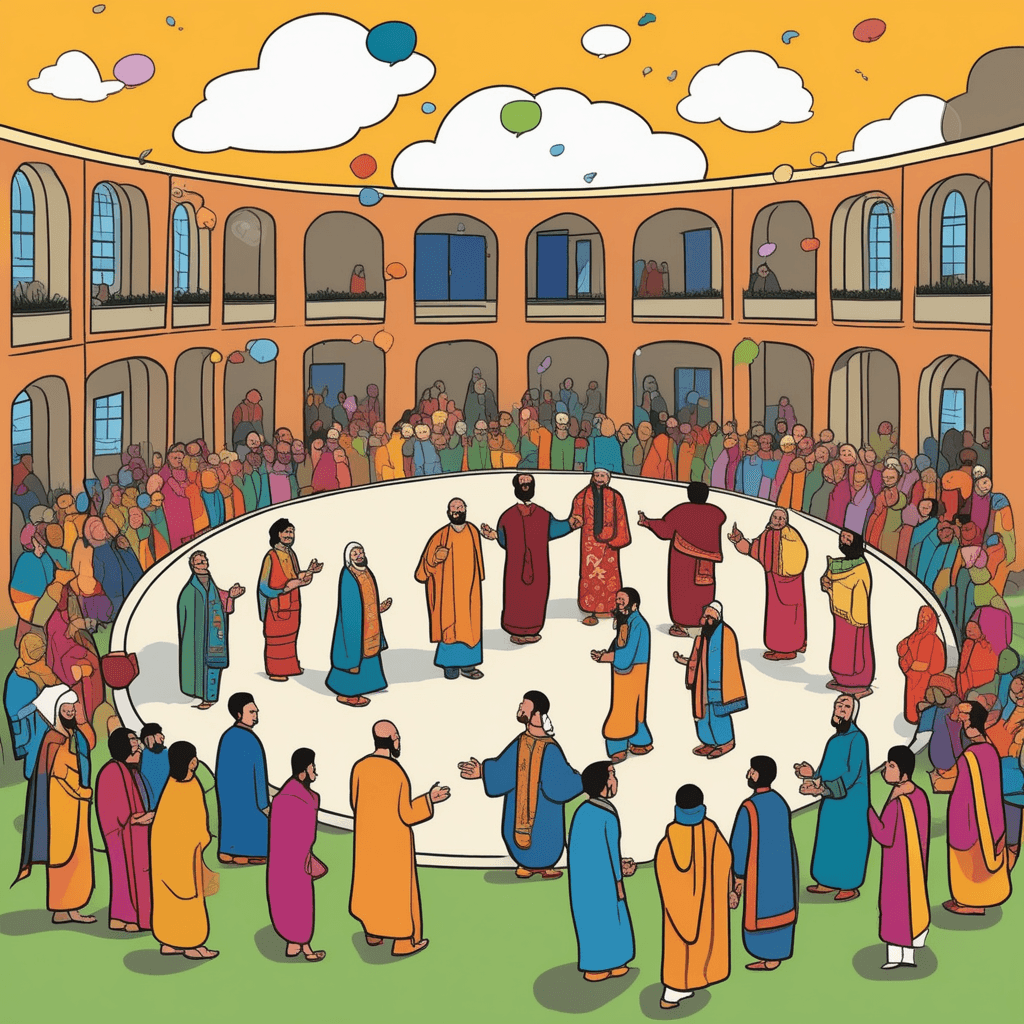
The university blooms with linguistic diversity!
Got the picture? Now let's practice.
🎤Pronunciation
🌳Etymology
Origin
This compound term combines Latin 'lingua' (tongue, language) with French 'diversité' (diversity), derived from Latin 'diversus' (turned in different directions, various). The phrase emerged in modern English to describe the variety of languages and linguistic systems within human populations or specific regions.
Breakdown
linguistic (from Latin lingua, tongue/language + -ic, adjective suffix) + diversity (from Latin diversus, various + -ity, noun suffix denoting state or quality).
🎵Rhyme
🔗Collocations
📝Examples
“The professor argued that social media is actually increasing linguistic diversity by creating new forms of digital communication.”
“My family dinner table is a perfect example of linguistic diversity: Grandma speaks Korean, Dad speaks Konglish, and I speak fluent emoji.”
“Urban areas often display remarkable linguistic diversity due to immigration and globalization.”
“The UN conference celebrated linguistic diversity by having translators accidentally create a new language when they all got confused at once.”
📚Related Words
Want to master 27,000+ words?
Sign up free for flashcards & quizzes.