nostalgic — feeling a sentimental longing or wistful affection for a period in the past
Part of speech: ADJECTIVE
Definition: feeling a sentimental longing or wistful affection for a period in the past
Pronunciation (IPA): /nəˈstældʒɪk/
Example Sentences
- My dad gets nostalgic every time he hears 80s music and starts doing embarrassing dance moves.
- The smell of freshly baked cookies made her nostalgic for her grandmother's kitchen.
- He became nostalgic about his school days, conveniently forgetting how much he hated homework.
nostalgic
ADJECTIVE[/nəˈstældʒɪk/]
feeling a sentimental longing or wistful affection for a period in the past

The old song came on — and she went instantly nostalgic for a life she could not return to.

NOSTALGIA makes it IC(onic) — the past that hurts because it was home. (NOSTOS (Greek: home) + ALGOS (Greek: pain))
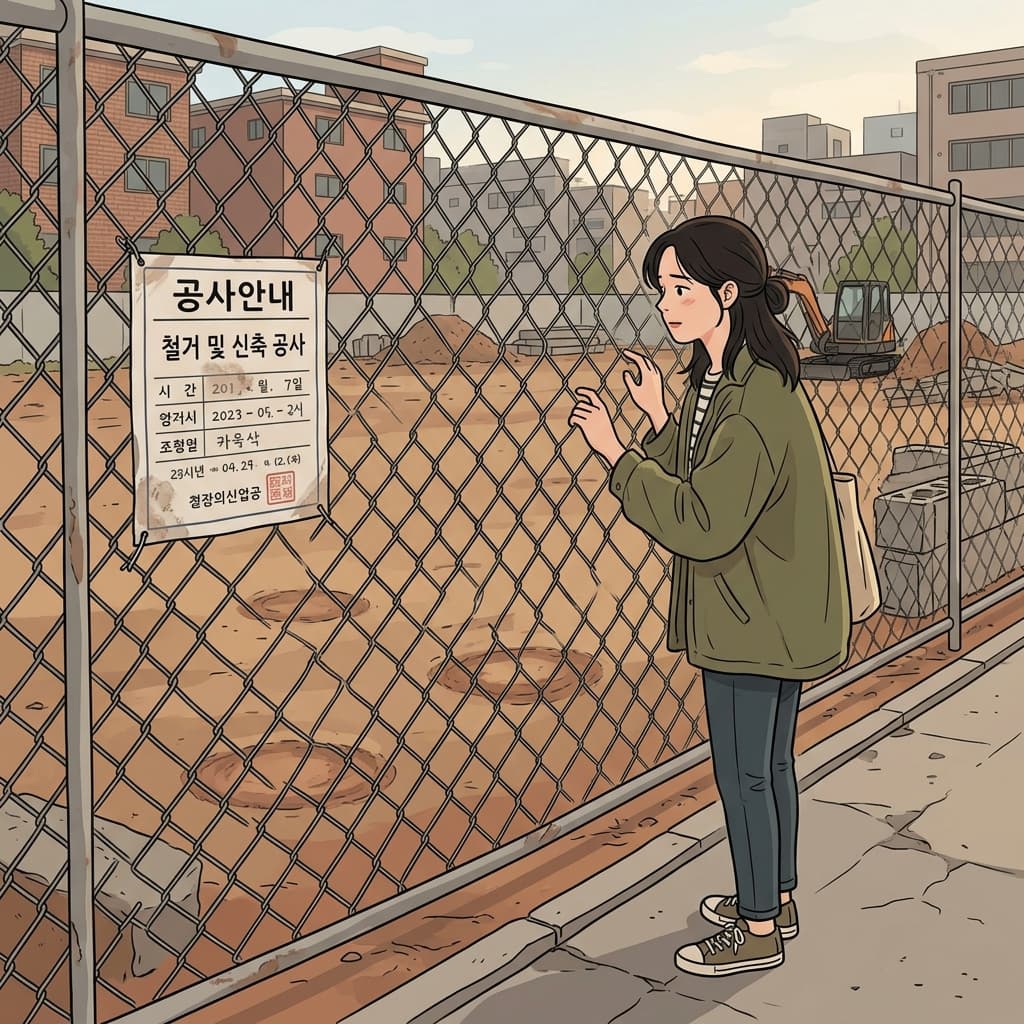
Nostalgic feelings carry a magic — and a tragic distance from what once was.
Got the picture? Now let's practice.
🎤Pronunciation
🌳Etymology
Origin
From German 'Nostalgie', coined in 1688 by Swiss medical student Johannes Hofer from Greek 'nostos' (homecoming) and 'algos' (pain/ache). The term originally described a medical condition of severe homesickness.
Breakdown
nostos (Greek: homecoming, return home) + algos (Greek: pain, ache) + -ic (adjective suffix) = nostalgic
🎵Rhyme
🔗Collocations
📝Examples
“My dad gets nostalgic every time he hears 80s music and starts doing embarrassing dance moves.”
“The smell of freshly baked cookies made her nostalgic for her grandmother's kitchen.”
“He became nostalgic about his school days, conveniently forgetting how much he hated homework.”
“The old photo album triggered a wave of nostalgic feelings.”
📚Related Words
Want to master 27,000+ words?
Sign up free for flashcards & quizzes.