madrigal — A type of secular vocal music composition, typically arranged for several voices, popular especially in the 16th and 17th centuries
Part of speech: NOUN
Definition: A type of secular vocal music composition, typically arranged for several voices, popular especially in the 16th and 17th centuries
Pronunciation (IPA): /ˈmædrɪɡəl/
Example Sentences
- The music teacher explained that a madrigal is like the Renaissance version of a boy band song, but with way better harmonies.
- Students struggled to pronounce 'madrigal' correctly during their music history exam.
- The composer wrote a modern madrigal that somehow made singing about pizza sound incredibly sophisticated.
madrigal
NOUN[/ˈmædrɪɡəl/]
A type of secular vocal music composition, typically arranged for several voices, popular especially in the 16th and 17th centuries
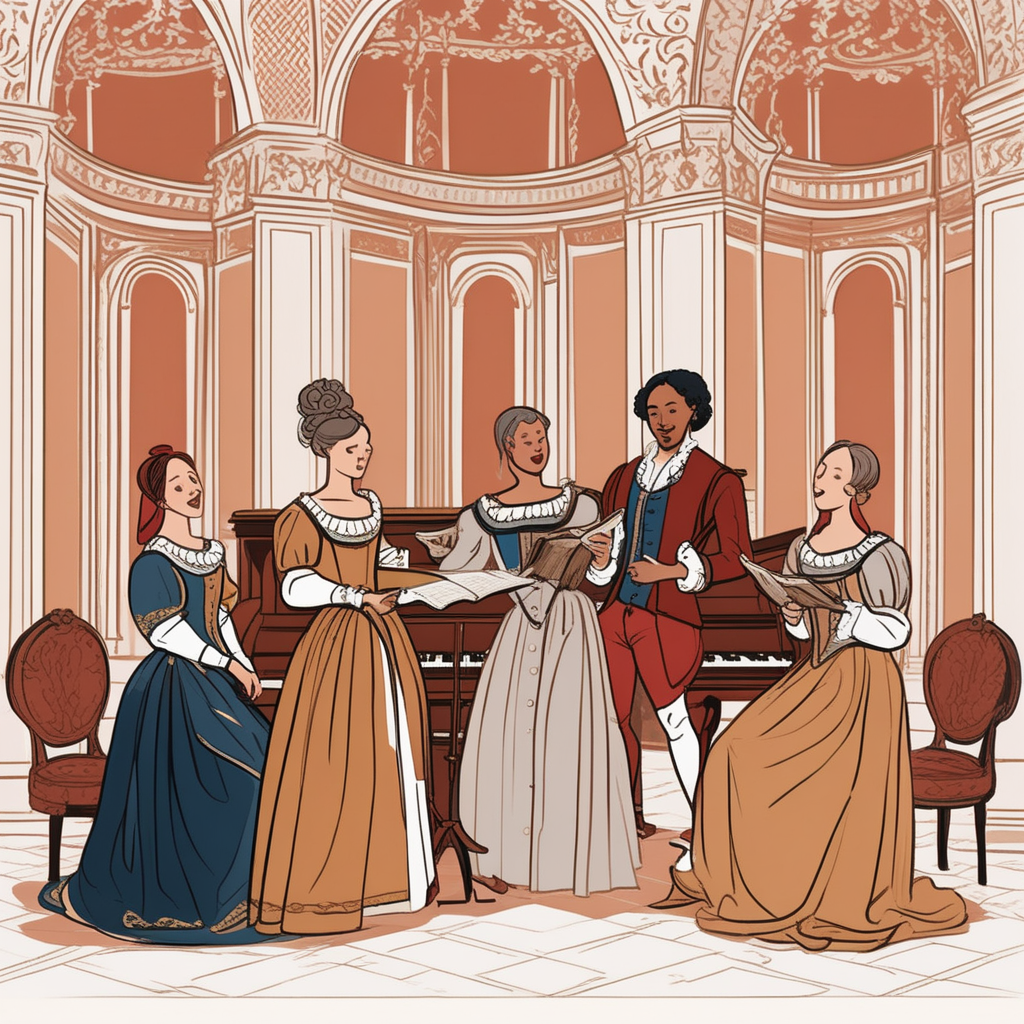
Renaissance secular vocal harmony

The madrigal's magical notes tell a tragical tale
Got the picture? Now let's practice.
🎤Pronunciation
🌳Etymology
Origin
Madrigal originated in 16th-century Italy, derived from the Latin 'matricale', meaning 'of one's native country' or 'mother tongue'. It evolved to refer to a sophisticated secular vocal composition popular among the nobility, particularly in Italian court circles.
Breakdown
matricale (Latin: of the mother or native country) → madrigale (Italian) → madrigal (English). The term's connection to 'mater' (mother) evolved to denote songs in the vernacular mother tongue, later referring to the musical form itself.
🎵Rhyme
🔗Collocations
📝Examples
“The music teacher explained that a madrigal is like the Renaissance version of a boy band song, but with way better harmonies.”
“Students struggled to pronounce 'madrigal' correctly during their music history exam.”
“The composer wrote a modern madrigal that somehow made singing about pizza sound incredibly sophisticated.”
“Many famous madrigals were written by Italian composers during the late Renaissance period.”
📚Related Words
Synonyms
Antonyms
Related
Want to master 19,000+ words?
Sign up free for flashcards & quizzes.