sulky — bad-tempered and sullen; showing resentment and unwillingness to be cheerful
Part of speech: ADJECTIVE
Definition: bad-tempered and sullen; showing resentment and unwillingness to be cheerful
Pronunciation (IPA): /ˈsʌlki/
Example Sentences
- After losing the video game, Tom sat in the corner with a sulky expression.
- My cat gets sulky when I don't give her treats on demand.
- The sulky waiter made our dining experience quite unpleasant.
sulky
ADJECTIVE[/ˈsʌlki/]
bad-tempered and sullen; showing resentment and unwillingness to be cheerful

Nobody did anything that bad — but she's sulky, and the whole room feels it.
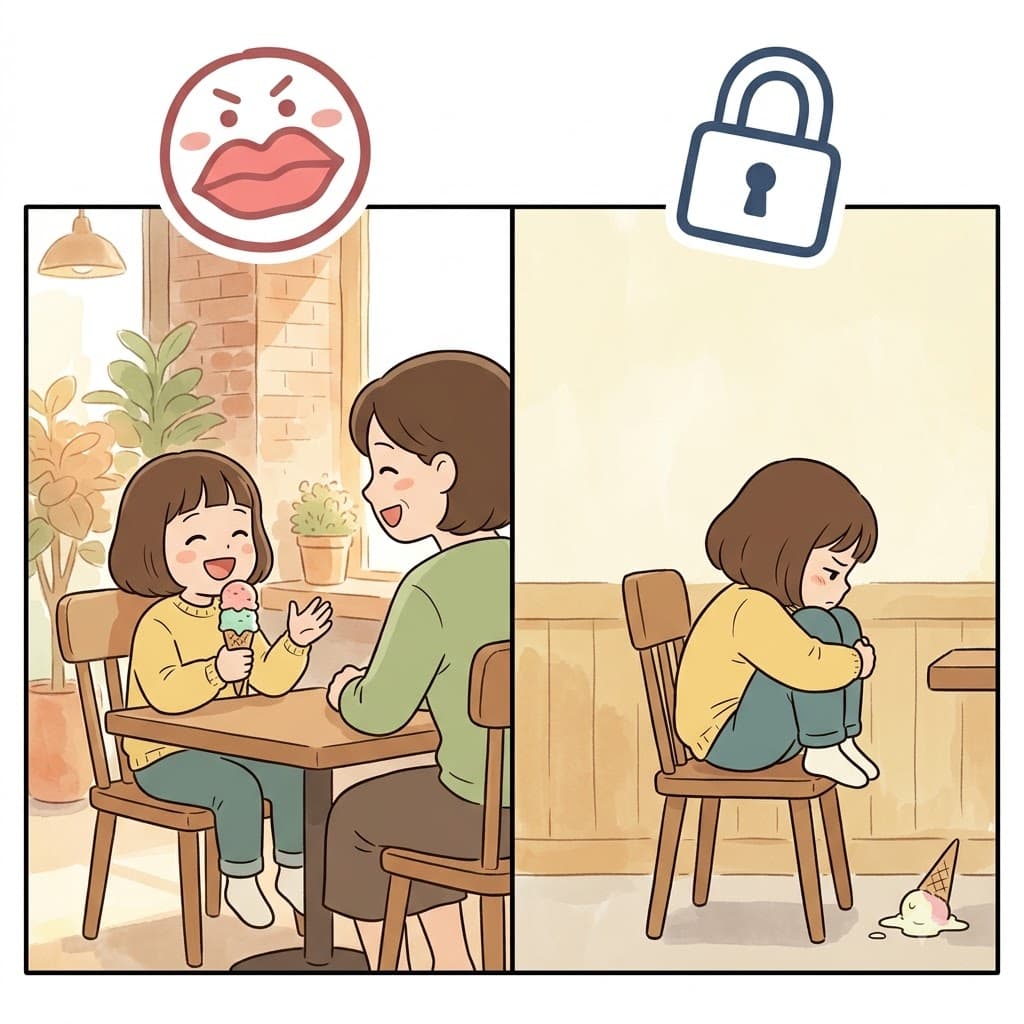
SULK(pout) + Y(state) — entering a Y(state) of absolute SULK(pout), the offended girl remained completely sulky all afternoon.

Because his mother forced him to wear the extremely heavy and bulky winter sweater, the boy sat on the sofa looking completely sulky.
Got the picture? Now let's practice.
🎤Pronunciation
🌳Etymology
Origin
From the verb 'sulk' which appeared in the 18th century, likely related to 'sullen' meaning gloomy or morose. The word describes someone who is quietly resentful or withdrawn.
Breakdown
sulk (root meaning 'to be moody or withdrawn') + -y (adjective suffix meaning 'having the quality of')
🎵Rhyme
🔗Collocations
📝Examples
“After losing the video game, Tom sat in the corner with a sulky expression.”
“My cat gets sulky when I don't give her treats on demand.”
“The sulky waiter made our dining experience quite unpleasant.”
“She's been sulky all morning because her phone battery died during her favorite show.”
📚Related Words
Want to master 27,000+ words?
Sign up free for flashcards & quizzes.