profanity — blasphemous or obscene language; swearing or cursing
Part of speech: NOUN
Definition: blasphemous or obscene language; swearing or cursing
Pronunciation (IPA): /prəˈfænəti/
Example Sentences
- His profanity increased dramatically after he stepped on a LEGO brick barefoot.
- The movie received an R rating due to excessive profanity and violence.
- She replaced all her profanity with food names, so now she says 'Oh, pickles!' when frustrated.
profanity
NOUN[/prəˈfænəti/]
blasphemous or obscene language; swearing or cursing
💡 Concept
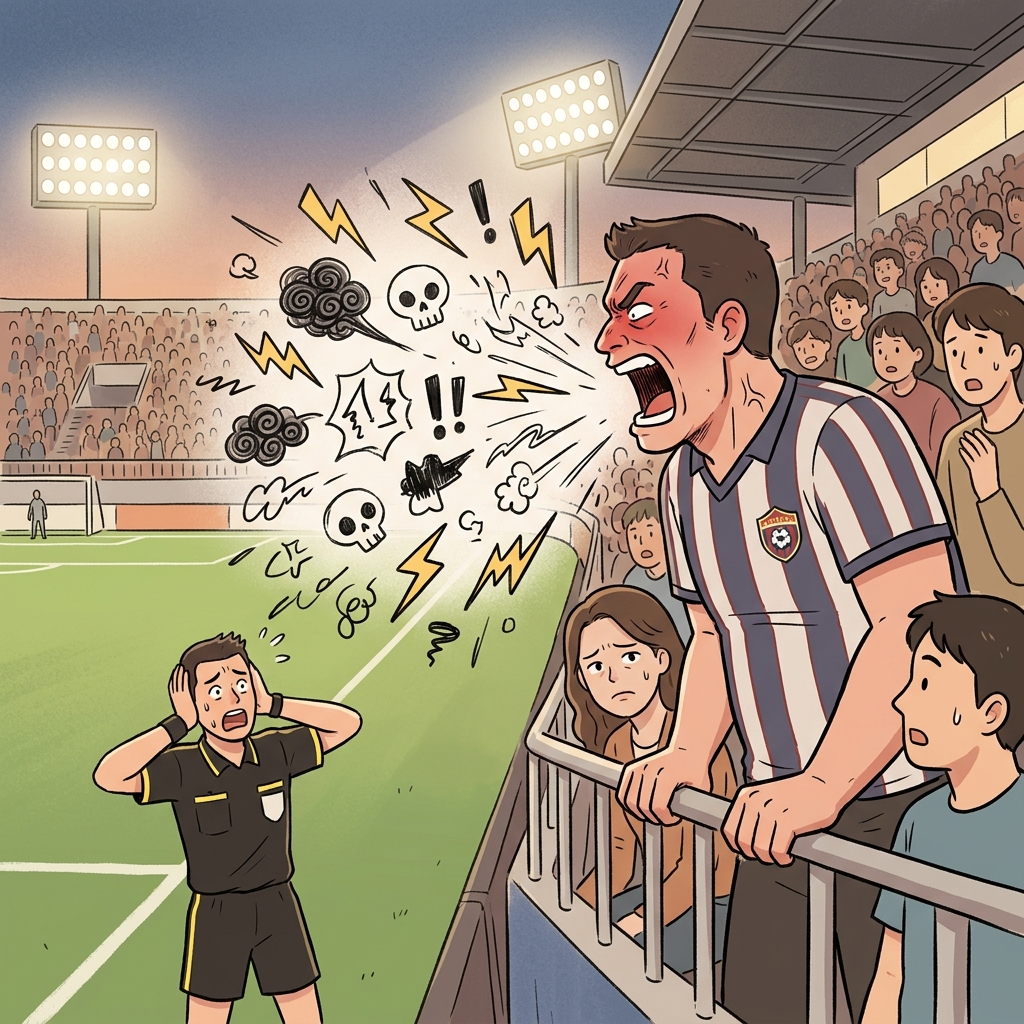
He shouted profanity at the referee after the missed call.
Got the picture? Now let's practice.
🎤Pronunciation
🇺🇸 US/prəˈfænəti/
🇬🇧 UK/prəˈfænəti/
🌳Etymology
Prefixpro--
Rootfan-
Suffix--ity
🎵Rhyme
vanitysanitycalamity
vanity
sanity
calamity
🔗Collocations
use profanity
spout profanity
ban profanity
mild profanity
stream of profanity
profanity filter
📝Examples
😄 Fun example
“His profanity increased dramatically after he stepped on a LEGO brick barefoot.”
“The movie received an R rating due to excessive profanity and violence.”
😄 Fun example
“She replaced all her profanity with food names, so now she says 'Oh, pickles!' when frustrated.”
“The workplace policy strictly prohibits profanity during meetings.”
📚Related Words
Synonyms
obscenityblasphemyvulgaritycursingswearing
Antonyms
reverencepietydecency
Related
offensiveinappropriatevulgarcrudeindecent
Want to master 19,000+ words?
Sign up free for flashcards & quizzes.