unload — to remove goods from a vehicle, ship, or container
Part of speech: VERB
Definition: to remove goods from a vehicle, ship, or container
Pronunciation (IPA): /ʌnˈloʊd/
Example Sentences
- My back hurts from unloading my mother-in-law's 47 shopping bags from her weekend trip.
- The delivery workers will unload the furniture tomorrow morning.
- He tried to unload his boring stories on everyone at the party.
unload
VERB[/ʌnˈloʊd/]
to remove goods from a vehicle, ship, or container
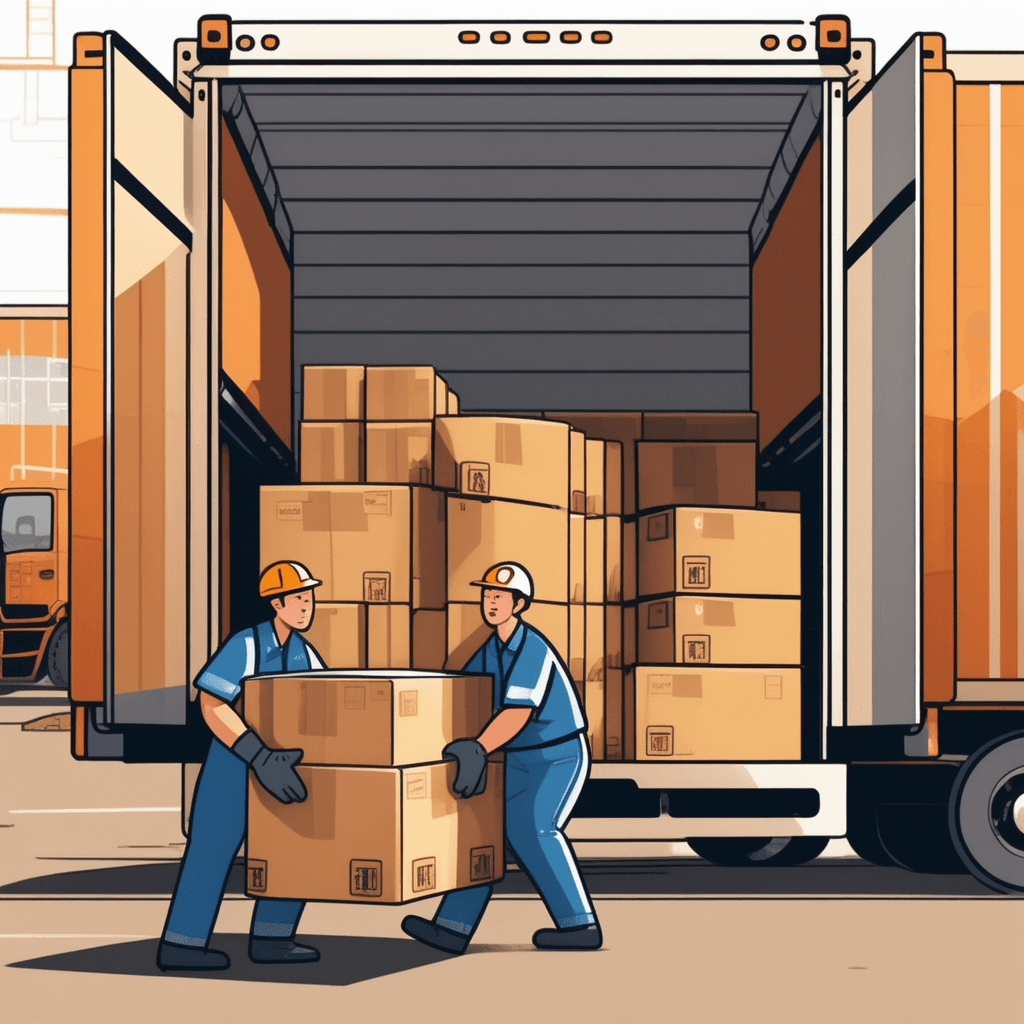
two delivery workers lift heavy cardboard boxes from the back of an open delivery truck. One worker stands inside the truck bed passing boxes down while the other receives them on the dock. The truck's cargo area gradually becomes more empty as boxes pile up on the loading platform. A forklift operator waits nearby to transport the growing stack of packages. Other warehouse workers move around organizing the delivered goods into neat rows. goods being removed from a vehicle for storage or distribution

Unload the cargo, watch fireworks explode, while secrets decode!
Got the picture? Now let's practice.
🎤Pronunciation
🌳Etymology
Origin
Unload emerged in Middle English from the 14th century, formed by combining the prefix 'un-' (denoting reversal or negation) with the verb 'load' (to place cargo). Originally, it referred specifically to the removal of goods or cargo from ships and carts.
Breakdown
un- (reverse action, opposite) + load (to put cargo or freight). The prefix negates the action of loading, creating a word meaning to remove or discharge cargo.
🎵Rhyme
🔗Collocations
📝Examples
“My back hurts from unloading my mother-in-law's 47 shopping bags from her weekend trip.”
“The delivery workers will unload the furniture tomorrow morning.”
“He tried to unload his boring stories on everyone at the party.”
“The port workers unload containers 24 hours a day.”
📚Related Words
Want to master 17,000+ words?
Sign up free for flashcards & quizzes.