present-day — Relating to or existing in the current time period; contemporary or modern. Referring to the conditions, circumstances, or characteristics of today's world.
Part of speech: ADJECTIVE
Definition: Relating to or existing in the current time period; contemporary or modern. Referring to the conditions, circumstances, or characteristics of today's world.
Pronunciation (IPA): /ˈprezənt deɪ/
Example Sentences
- My grandmother says present-day teenagers are glued to their phones like koalas to eucalyptus trees.
- Present-day shopping means adding items to your online cart and then closing the browser in panic.
- Present-day communication is so advanced that we can ignore people in real-time from anywhere in the world.
present-day
ADJECTIVE[/ˈprezənt deɪ/]
Relating to or existing in the current time period; contemporary or modern. Referring to the conditions, circumstances, or characteristics of today's world.

Relating to or existing in the current time period; contemporary or modern. Referring to the conditions, circumstances, or characteristics of today's world.
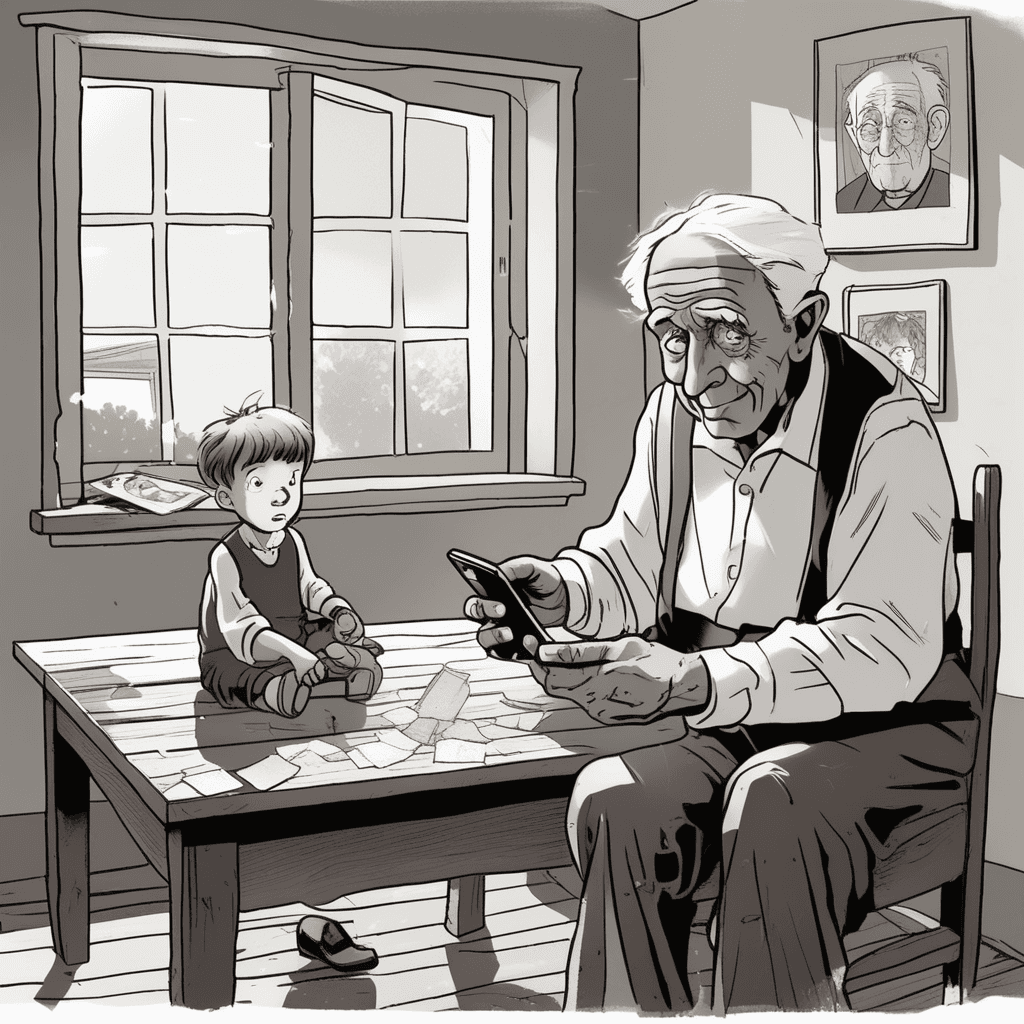
Stories of yesterday bring present-day dismay!
Got the picture? Now let's practice.
🎤Pronunciation
🌳Etymology
Origin
From Latin 'praesens' meaning 'being before, present' combined with Old English 'dæg' meaning 'day'. The compound form emerged in English to describe something belonging to or characteristic of the current time period.
Breakdown
present (from Latin prae- 'before' + esse 'to be') + day (from Old English dæg 'day')
🎵Rhyme
📝Examples
“My grandmother says present-day teenagers are glued to their phones like koalas to eucalyptus trees.”
“Present-day shopping means adding items to your online cart and then closing the browser in panic.”
“Present-day communication is so advanced that we can ignore people in real-time from anywhere in the world.”
“Present-day medicine has made remarkable progress in treating various diseases.”
📚Related Words
Antonyms
Want to master 27,000+ words?
Sign up free for flashcards & quizzes.