mere — being nothing more than what is specified; used to emphasize how small or insignificant something is
Part of speech: ADJECTIVE
Definition: being nothing more than what is specified; used to emphasize how small or insignificant something is
Pronunciation (IPA): /mɪr/
Example Sentences
- He quit his job over a mere dollar raise disagreement.
- The mere mention of homework makes students groan.
- She solved the problem in a mere five minutes.
mere
ADJECTIVE[/mɪr/]
being nothing more than what is specified; used to emphasize how small or insignificant something is
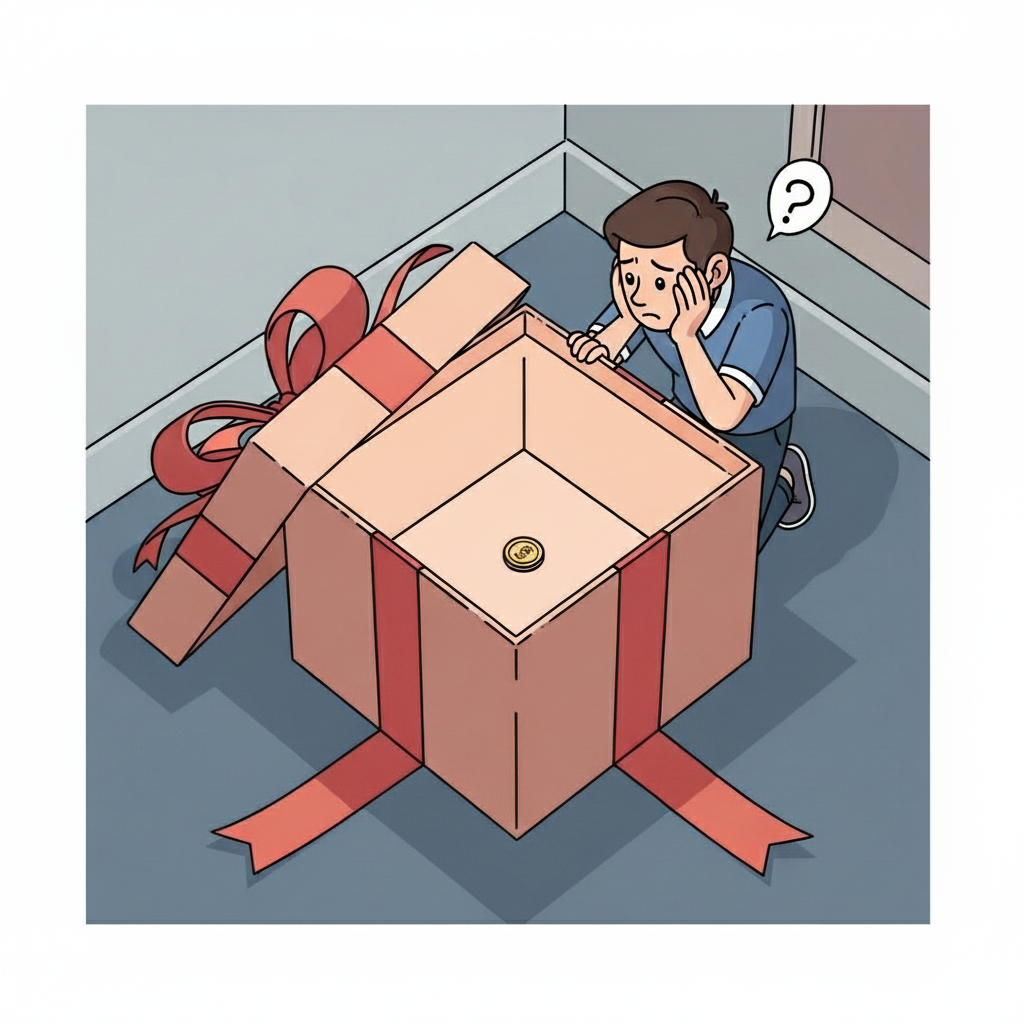
A large box contains only a mere small item inside.

A mere small gain can’t compare to a loss that feels severe.
Got the picture? Now let's practice.
🎤Pronunciation
🌳Etymology
Origin
The word derives from Latin 'merus', which originally meant 'pure' or 'unmixed'. Over time, the meaning evolved to express the sense of 'only' or 'nothing but', emphasizing exclusivity rather than purity.
Breakdown
Latin 'merus' (pure, unmixed) → English 'mere' (only, nothing but). The semantic shift reflects a conceptual extension from physical purity to exclusivity of definition.
🎵Rhyme
🔗Collocations
📝Examples
“He quit his job over a mere dollar raise disagreement.”
“The mere mention of homework makes students groan.”
“She solved the problem in a mere five minutes.”
“A mere child cannot understand such complex emotions.”
📚Related Words
Synonyms
Antonyms
Related
Want to master 19,000+ words?
Sign up free for flashcards & quizzes.