masculinity — qualities or attributes traditionally associated with men, such as strength, assertiveness, and dominance
Part of speech: NOUN
Definition: qualities or attributes traditionally associated with men, such as strength, assertiveness, and dominance
Pronunciation (IPA): /ˌmæskjəˈlɪnəti/
Example Sentences
- Modern masculinity includes emotional intelligence and vulnerability.
- His masculinity was so fragile that he refused to drink pink lemonade at the party.
- The advertisement promoted a new concept of masculinity that emphasized caring and nurturing.
masculinity
NOUN[/ˌmæskjəˈlɪnəti/]
qualities or attributes traditionally associated with men, such as strength, assertiveness, and dominance
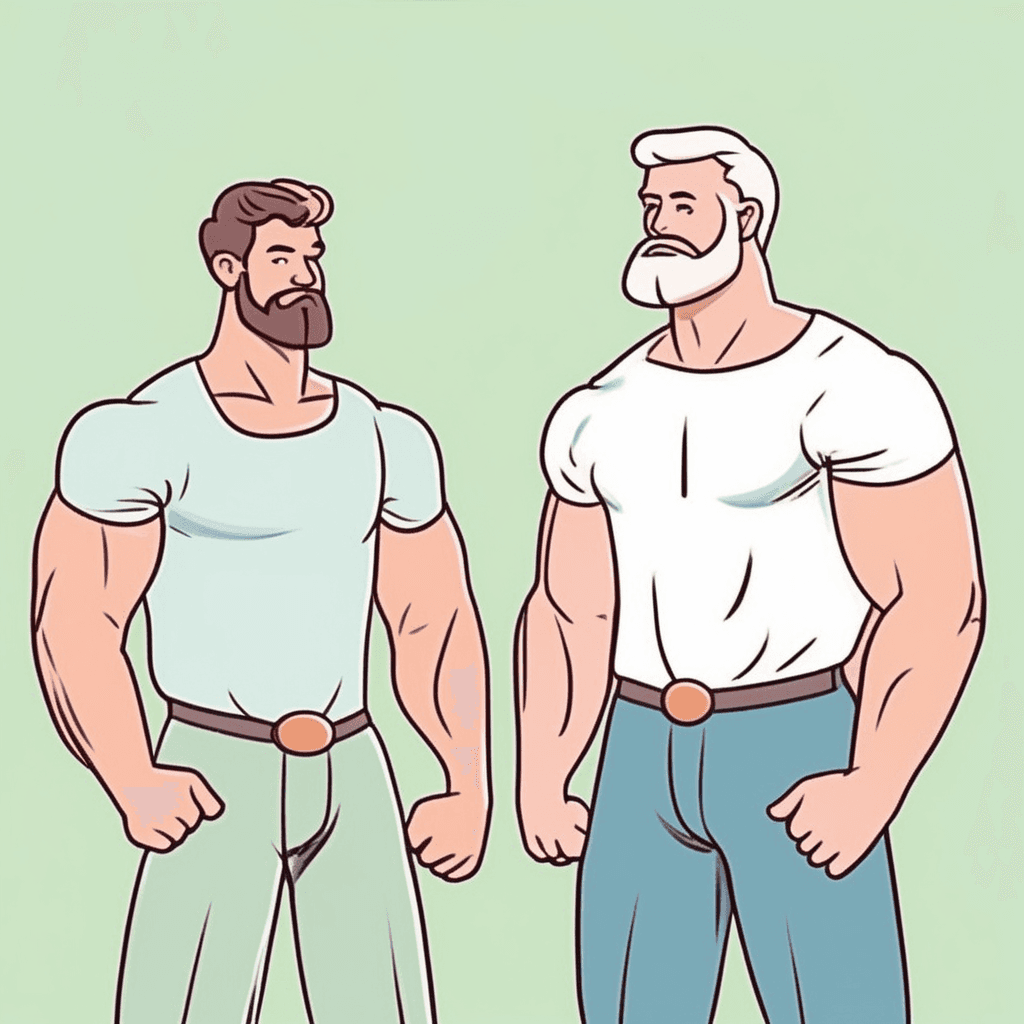
qualities or attributes traditionally associated with men, such as strength, assertiveness, and dominance

True masculinity embraces both divinity and femininity!
Got the picture? Now let's practice.
🎤Pronunciation
🌳Etymology
Origin
Masculinity derives from Latin 'masculinus' (masculine, male), which in turn stems from 'masculus' (male, male animal). The term originally referred to qualities associated with maleness and has evolved to describe characteristics, behaviors, and social roles traditionally attributed to men.
Breakdown
mascul- (male) + -in- (adjective-forming suffix) + -ity (noun-forming suffix denoting quality or state). The Latin root 'masculus' combines with the adjectival suffix '-ine' to form 'masculine,' which then takes the nominalization suffix '-ity' to create the abstract noun.
🎵Rhyme
🔗Collocations
📝Examples
“Modern masculinity includes emotional intelligence and vulnerability.”
“His masculinity was so fragile that he refused to drink pink lemonade at the party.”
“The advertisement promoted a new concept of masculinity that emphasized caring and nurturing.”
“He questioned society's expectations of masculinity after becoming a stay-at-home dad.”
📚Related Words
Want to master 27,000+ words?
Sign up free for flashcards & quizzes.