principle — a fundamental truth or proposition that serves as the foundation for a system of belief or behavior
Part of speech: NOUN
Definition: a fundamental truth or proposition that serves as the foundation for a system of belief or behavior
Pronunciation (IPA): /ˈprɪnsəpəl/
Example Sentences
- My grandmother's principle is simple: never go to bed angry or hungry.
- The principle of supply and demand governs market prices.
- He refused the bribe on principle, even though he really needed the money for his cat's birthday party.
principle
NOUN[/ˈprɪnsəpəl/]
a fundamental truth or proposition that serves as the foundation for a system of belief or behavior
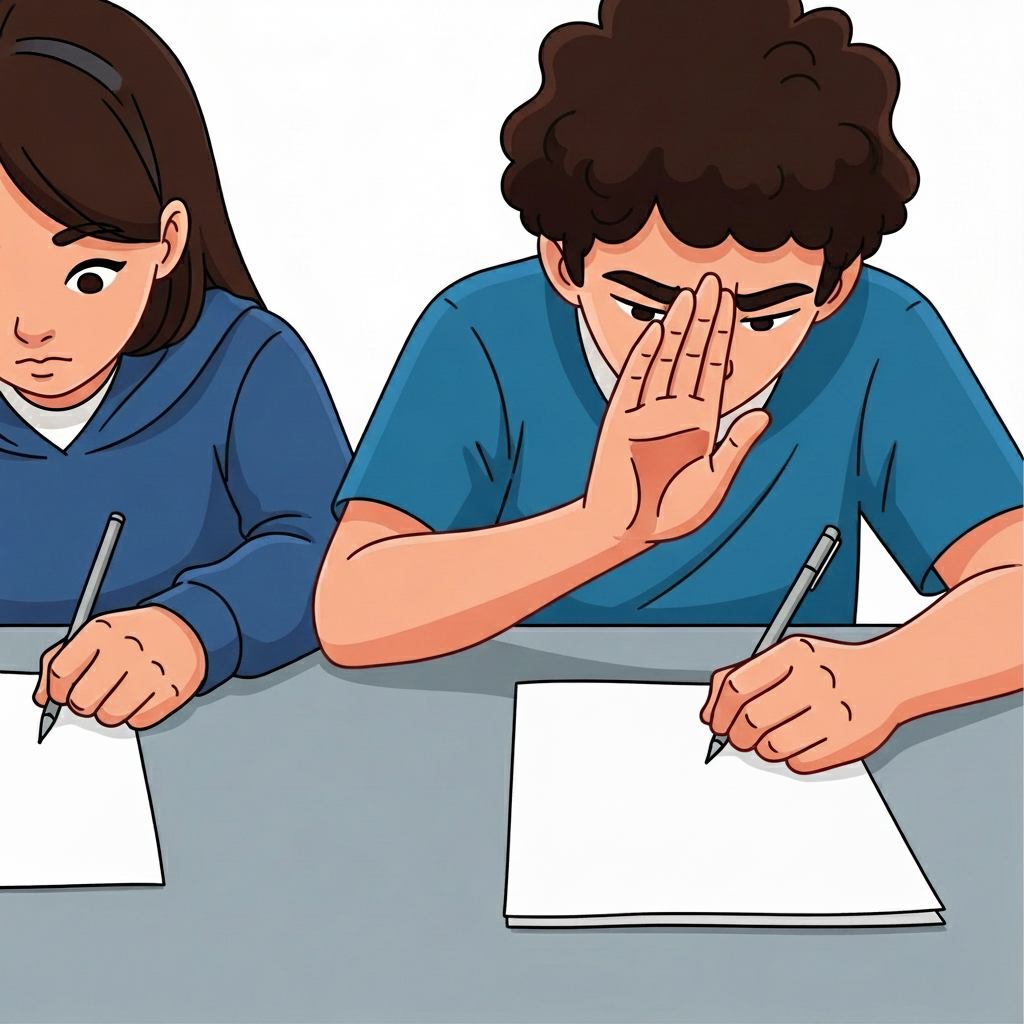
A student sees the correct answers but covers them and writes their own.

The engineer designed the bridge using basic structural principles. (PRIMARY + RULE = PRINCIPLE)
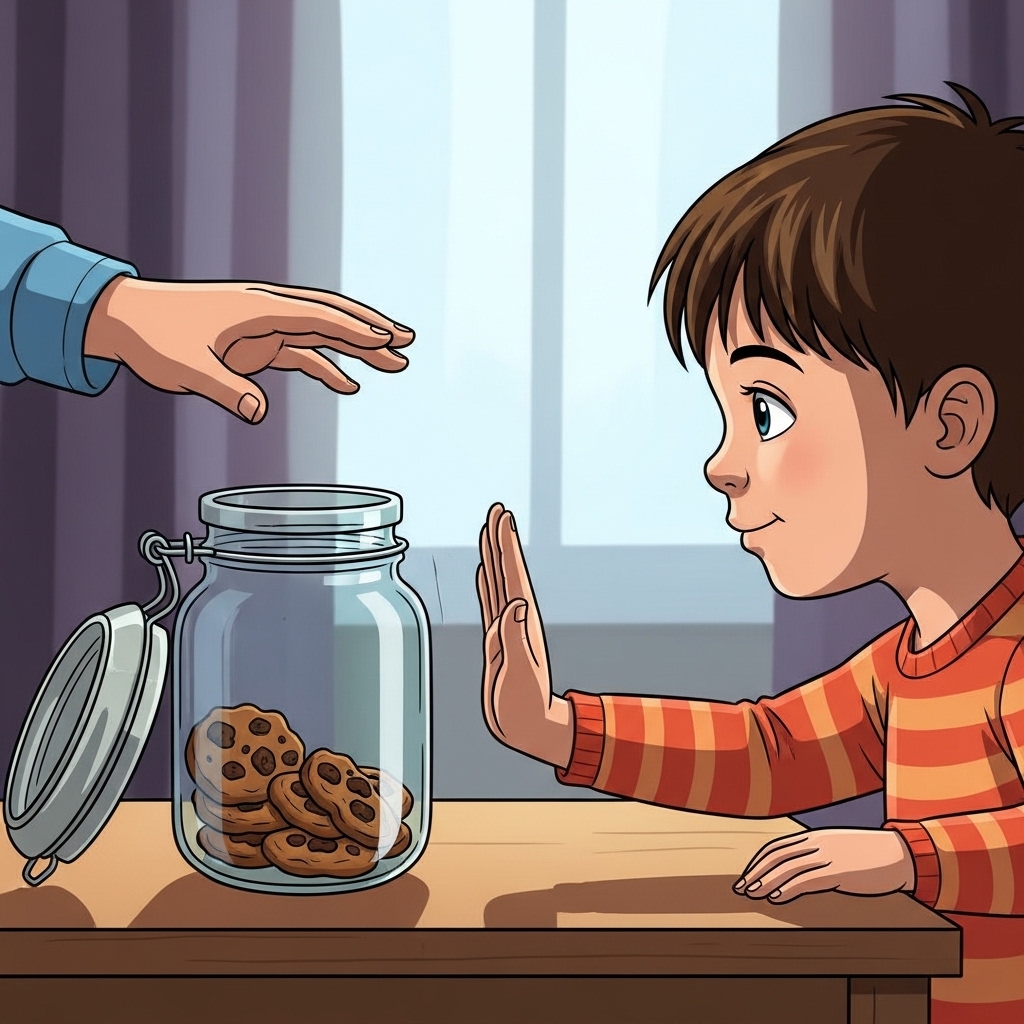
Hold your principle — don’t cross the line, even when it’s simple.
Got the picture? Now let's practice.
🎤Pronunciation
🌳Etymology
Origin
From Latin 'principium' meaning 'beginning' or 'first thing,' derived from 'princeps' (first, chief). The word entered English through Old French 'principe' in the 13th century.
Breakdown
Latin 'princip-' (first, chief, from 'primus' meaning first) + '-ium' (noun suffix) = principle (a fundamental truth or starting point)
🎵Rhyme
🔗Collocations
📝Examples
“My grandmother's principle is simple: never go to bed angry or hungry.”
“The principle of supply and demand governs market prices.”
“He refused the bribe on principle, even though he really needed the money for his cat's birthday party.”
“The scientific principle behind this experiment is quite complex.”
📚Related Words
Synonyms
Antonyms
Related
Want to master 19,000+ words?
Sign up free for flashcards & quizzes.