fickleness — the quality of being changeable in loyalty, affection, or belief; inconstancy
Part of speech: NOUN
Definition: the quality of being changeable in loyalty, affection, or belief; inconstancy
Pronunciation (IPA): /ˈfɪkəlnəs/
Example Sentences
- The weather's fickleness ruined our perfect picnic plans for the third time this month.
- Her fickleness in choosing restaurants drove her friends crazy - she changed her mind five times in ten minutes.
- The fickleness of public opinion can make or break a politician's career overnight.
fickleness
NOUN[/ˈfɪkəlnəs/]
the quality of being changeable in loyalty, affection, or belief; inconstancy

His fickleness shows as he changes lunch orders three times before the waiter even leaves.
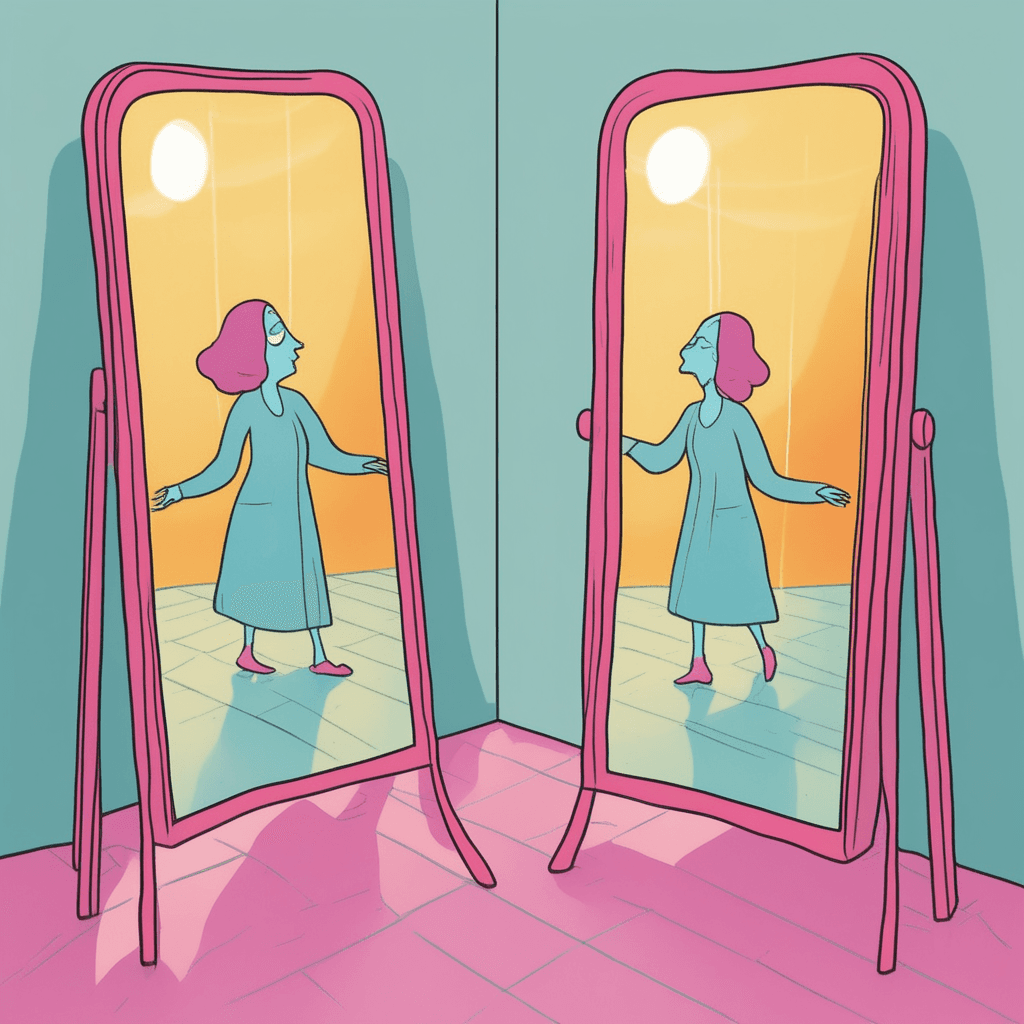
Through sickness and thickness, fickleness reveals itself
Got the picture? Now let's practice.
🎤Pronunciation
🌳Etymology
Origin
Fickleness derives from Old English 'ficol', meaning deceptive or deceitful. The term originally conveyed the sense of being deceptive or misleading, and evolved over time to denote the quality of being changeable, unpredictable, or lacking constancy in character or loyalty.
Breakdown
ficol (deceptive, deceitful) + -ness (noun suffix forming abstract quality). The adjective 'fickle' developed from Old English 'ficol', with the suffix '-ness' creating the abstract noun denoting the state or quality of being fickle.
🎵Rhyme
🔗Collocations
📝Examples
“The weather's fickleness ruined our perfect picnic plans for the third time this month.”
“Her fickleness in choosing restaurants drove her friends crazy - she changed her mind five times in ten minutes.”
“The fickleness of public opinion can make or break a politician's career overnight.”
“His fickleness about career choices worried his parents, who watched him switch majors four times.”
📚Related Words
Want to master 27,000+ words?
Sign up free for flashcards & quizzes.