radon — a naturally occurring radioactive gas that comes from the decay of uranium in rocks and soil
Part of speech: NOUN
Definition: a naturally occurring radioactive gas that comes from the decay of uranium in rocks and soil
Pronunciation (IPA): /ˈreɪdɑːn/
Example Sentences
- The home inspector found dangerous radon levels in the basement, turning the dream house into a nightmare.
- Scientists discovered that radon is like an invisible villain hiding in your basement.
- Regular radon testing is essential for maintaining a healthy indoor environment.
radon
NOUN[/ˈreɪdɑːn/]
a naturally occurring radioactive gas that comes from the decay of uranium in rocks and soil
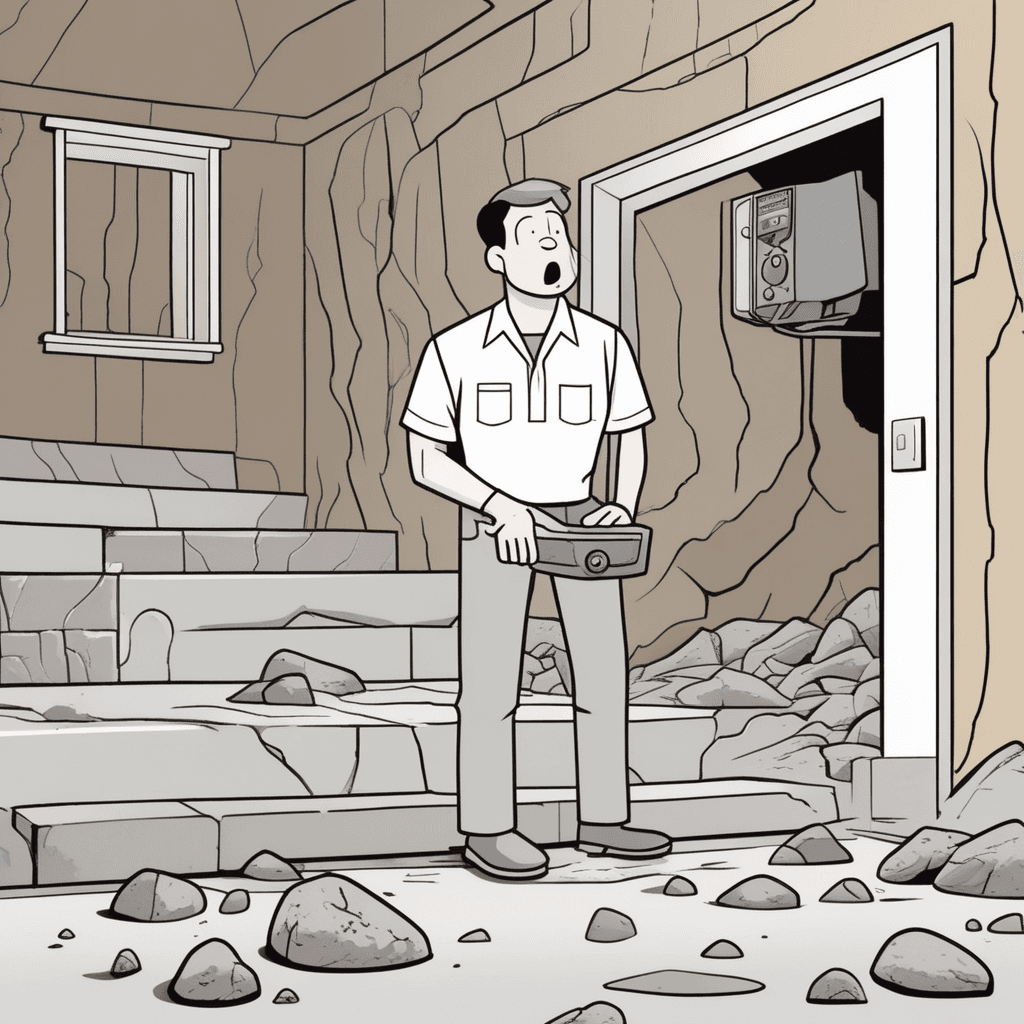
Radioactive gas from underground rocks

Rocking the cradle while radon's fading in unseen.
Got the picture? Now let's practice.
🎤Pronunciation
🌳Etymology
Origin
Radon was named in 1900 by German chemists who discovered this radioactive gas as a decay product of radium. The name derives directly from radium, with the suffix -on appended to create a name for the element, following the chemical nomenclature convention for noble gases.
Breakdown
radium (the parent element from which radon is produced) + -on (chemical suffix used for noble gases and elemental names).
🎵Rhyme
🔗Collocations
📝Examples
“The home inspector found dangerous radon levels in the basement, turning the dream house into a nightmare.”
“Scientists discovered that radon is like an invisible villain hiding in your basement.”
“Regular radon testing is essential for maintaining a healthy indoor environment.”
“The geology student joked that radon is uranium's rebellious teenage gas that won't stay put.”
📚Related Words
Want to master 27,000+ words?
Sign up free for flashcards & quizzes.