predominant — having the most power, control, or influence; being the most common, main, or noticeable
Part of speech: ADJECTIVE
Definition: having the most power, control, or influence; being the most common, main, or noticeable
Pronunciation (IPA): /prɪˈdɑːmɪnənt/
Example Sentences
- In our office, coffee is the predominant beverage, but I'm the only one drinking banana milk.
- The predominant theme in his essays is procrastination, which ironically took him three years to write.
- English has become the predominant language in international business.
predominant
ADJECTIVE[/prɪˈdɑːmɪnənt/]
having the most power, control, or influence; being the most common, main, or noticeable

Blue was the predominant color throughout the entire painting.

The lion was the predominant animal on the grassland, leading the pride with confidence. (pre + dominant → the one that is dominant over most others)
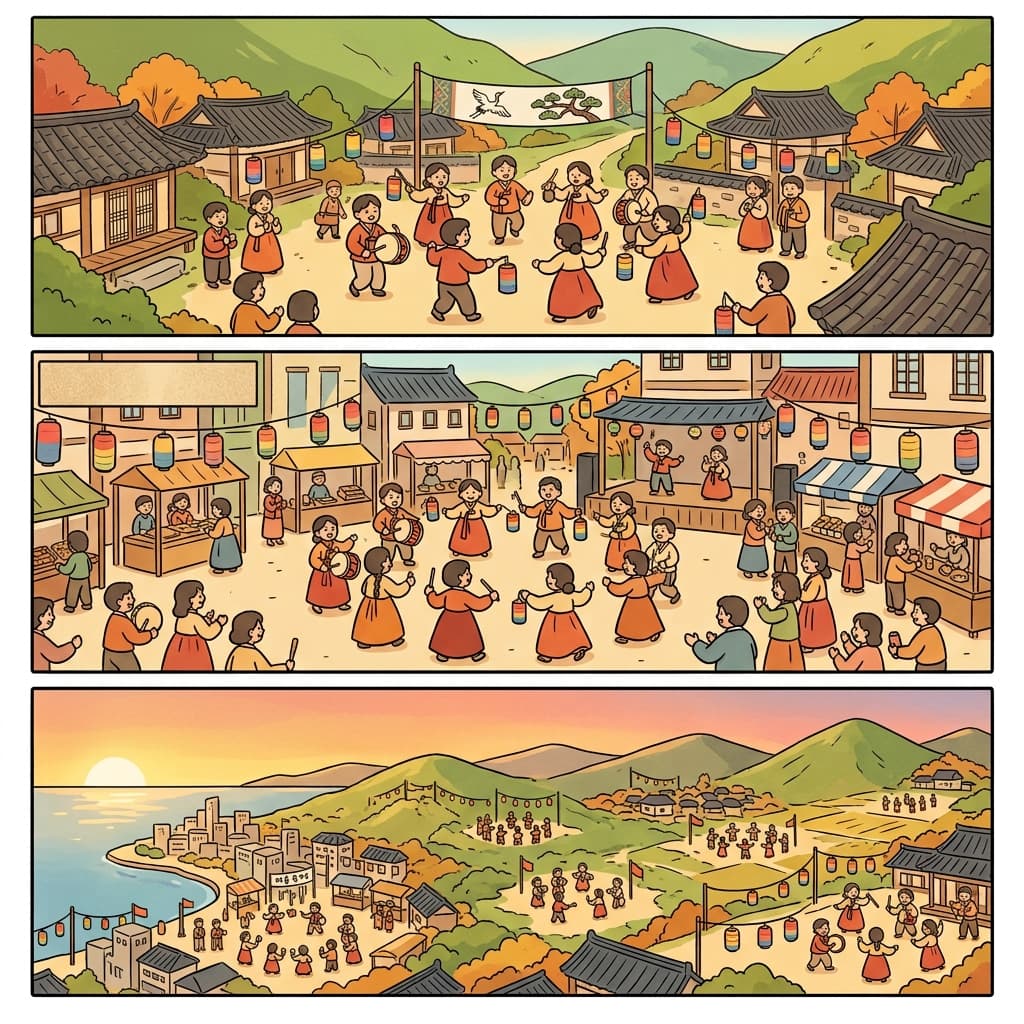
The predominant tradition remained important to the whole continent.
Got the picture? Now let's practice.
🎤Pronunciation
🌳Etymology
Origin
From Latin 'praedominari,' combining 'prae' (before/in front) and 'dominari' (to rule or have dominion). The word entered English in the 15th century through Old French, maintaining its sense of exercising superior control or influence.
Breakdown
pre- (before/in front) + dominat- (rule/have power) + -ant (adjective suffix indicating a quality or state) = predominant
🎵Rhyme
🔗Collocations
📝Examples
“In our office, coffee is the predominant beverage, but I'm the only one drinking banana milk.”
“The predominant theme in his essays is procrastination, which ironically took him three years to write.”
“English has become the predominant language in international business.”
“The predominant opinion among students is that homework should be banned on weekends.”
📚Related Words
Want to master 27,000+ words?
Sign up free for flashcards & quizzes.