foul — having an unpleasant smell; disgusting
Part of speech: ADJECTIVE
Definition: having an unpleasant smell; disgusting
Pronunciation (IPA): /faʊl/
Example Sentences
- The chef's mood turned foul when he discovered someone had eaten his secret ingredient - pickled garlic ice cream.
- My roommate's gym socks smell so foul that even the washing machine refuses to clean them.
- The politician's foul remarks during the debate cost him many votes.
foul
ADJECTIVE[/faʊl/]
having an unpleasant smell; disgusting
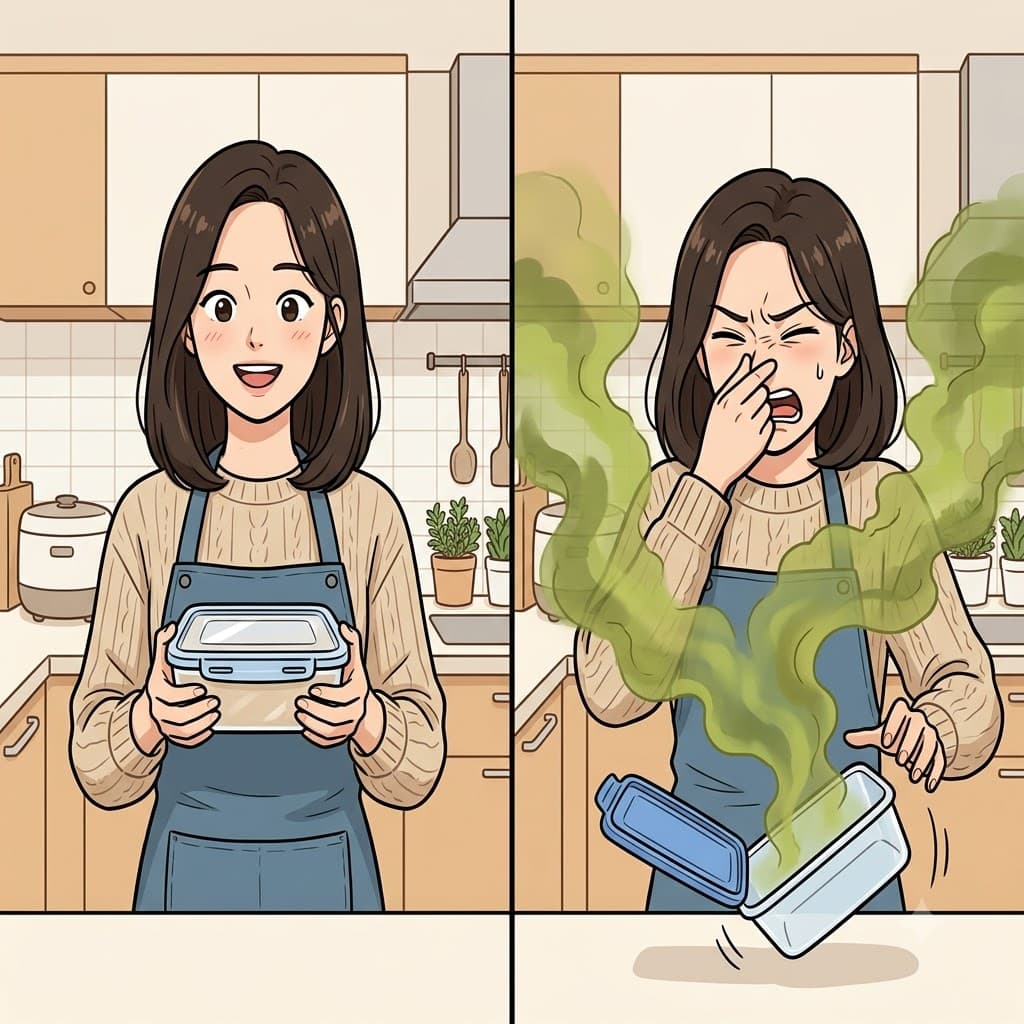
Opening the lid of the old plastic container, a completely foul and green smell violently hit her face.
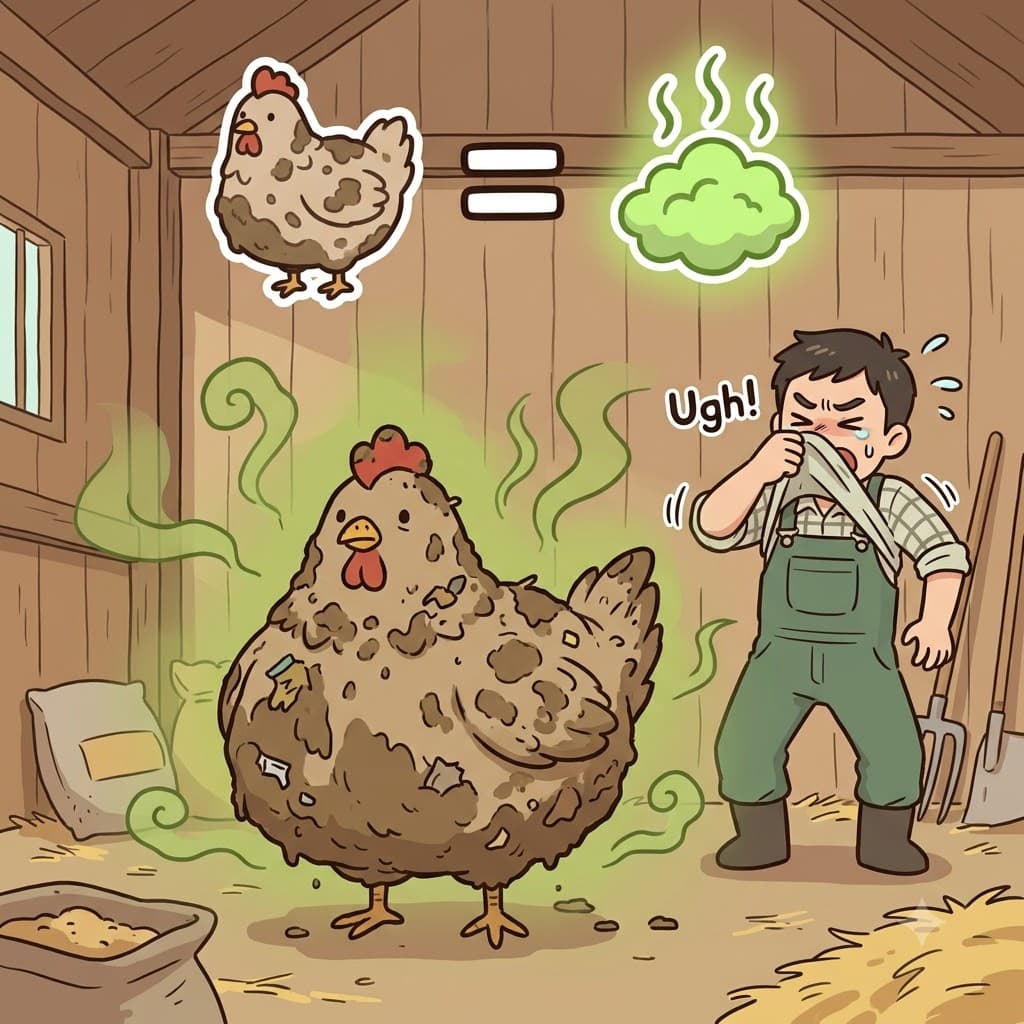
FOWL(bird) = FOUL(smell) — the giant, dirty, muddy FOWL(chicken) made the entire barn smell absolutely foul.

Taking off his sweaty shoes, the man made an ugly scowl to show his disgust at the totally foul odor.
Got the picture? Now let's practice.
🎤Pronunciation
🌳Etymology
Origin
From Old English 'fūl' meaning 'disgusting' or 'rotting', related to Old Norse 'fúll' and Germanic roots meaning 'stinking' or 'putrid'. The word has cognates in other Germanic languages with similar meanings.
Breakdown
foul (single morpheme, no productive breakdown) - From Proto-Germanic *fulaz meaning 'rotten' or 'stinking'
🎵Rhyme
🔗Collocations
📝Examples
“The chef's mood turned foul when he discovered someone had eaten his secret ingredient - pickled garlic ice cream.”
“My roommate's gym socks smell so foul that even the washing machine refuses to clean them.”
“The politician's foul remarks during the debate cost him many votes.”
“Factory emissions have fouled the once pristine lake.”
📚Related Words
Want to master 27,000+ words?
Sign up free for flashcards & quizzes.