unwind — to relax after a period of work or tension
Part of speech: VERB
Definition: to relax after a period of work or tension
Pronunciation (IPA): /ʌnˈwaɪnd/
Example Sentences
- My grandmother loves to unwind by knitting while watching her favorite soap opera.
- He tried to unwind at the spa, but kept checking his phone every five minutes.
- The complex political situation began to unwind after the peace negotiations.
unwind
VERB[/ʌnˈwaɪnd/]
to relax after a period of work or tension

After a long week, she loves to unwind on the balcony with tea and a book.
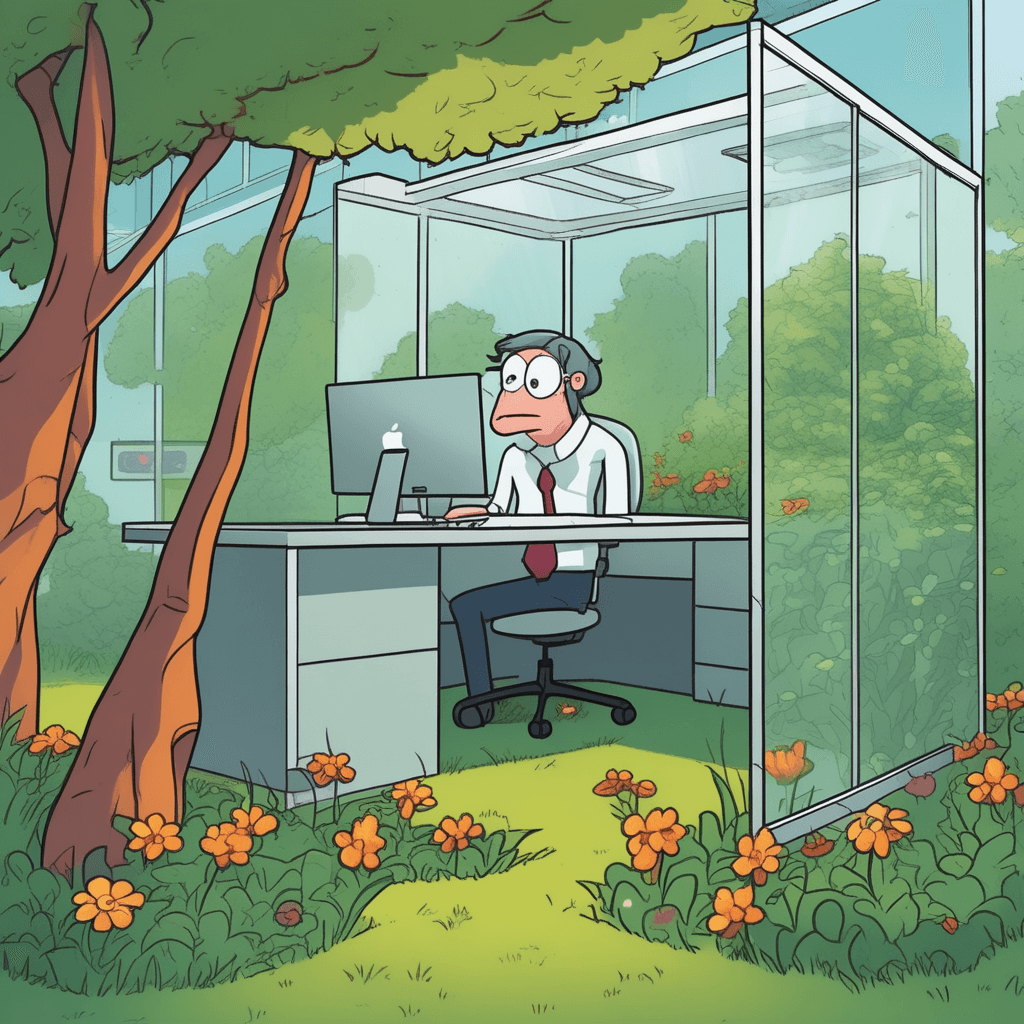
No longer confined, nature will remind you to unwind.
Got the picture? Now let's practice.
🎤Pronunciation
🌳Etymology
Origin
Unwind originates from Old English, combining the prefix 'un-' (meaning reverse or opposite) with the verb 'wind' (to twist, coil, or wrap). Originally denoting the physical act of unwrapping or loosening something coiled, the word evolved metaphorically in modern English to describe the relaxation of tension and stress.
Breakdown
un- (reverse, opposite) + wind (to twist, coil, or wrap). The prefix un- negates or reverses the action of winding, creating the sense of unwrapping or loosening.
🎵Rhyme
🔗Collocations
📝Examples
“My grandmother loves to unwind by knitting while watching her favorite soap opera.”
“He tried to unwind at the spa, but kept checking his phone every five minutes.”
“The complex political situation began to unwind after the peace negotiations.”
“She decided to unwind the Christmas lights one by one, which took three hours and tested her patience.”
📚Related Words
Want to master 27,000+ words?
Sign up free for flashcards & quizzes.