disempowered — having lost power, confidence, or control over one's own situation; deprived of authority or influence
Part of speech: ADJECTIVE
Definition: having lost power, confidence, or control over one's own situation; deprived of authority or influence
Pronunciation (IPA): /ˌdɪsɪmˈpaʊərd/
Example Sentences
- After losing his voting rights, he felt completely disempowered, like a superhero without his cape.
- The reform bill aims to help disempowered citizens regain their voice in local government.
- My little brother felt disempowered every time mom took away the TV remote.
disempowered
ADJECTIVE[/ˌdɪsɪmˈpaʊərd/]
having lost power, confidence, or control over one's own situation; deprived of authority or influence
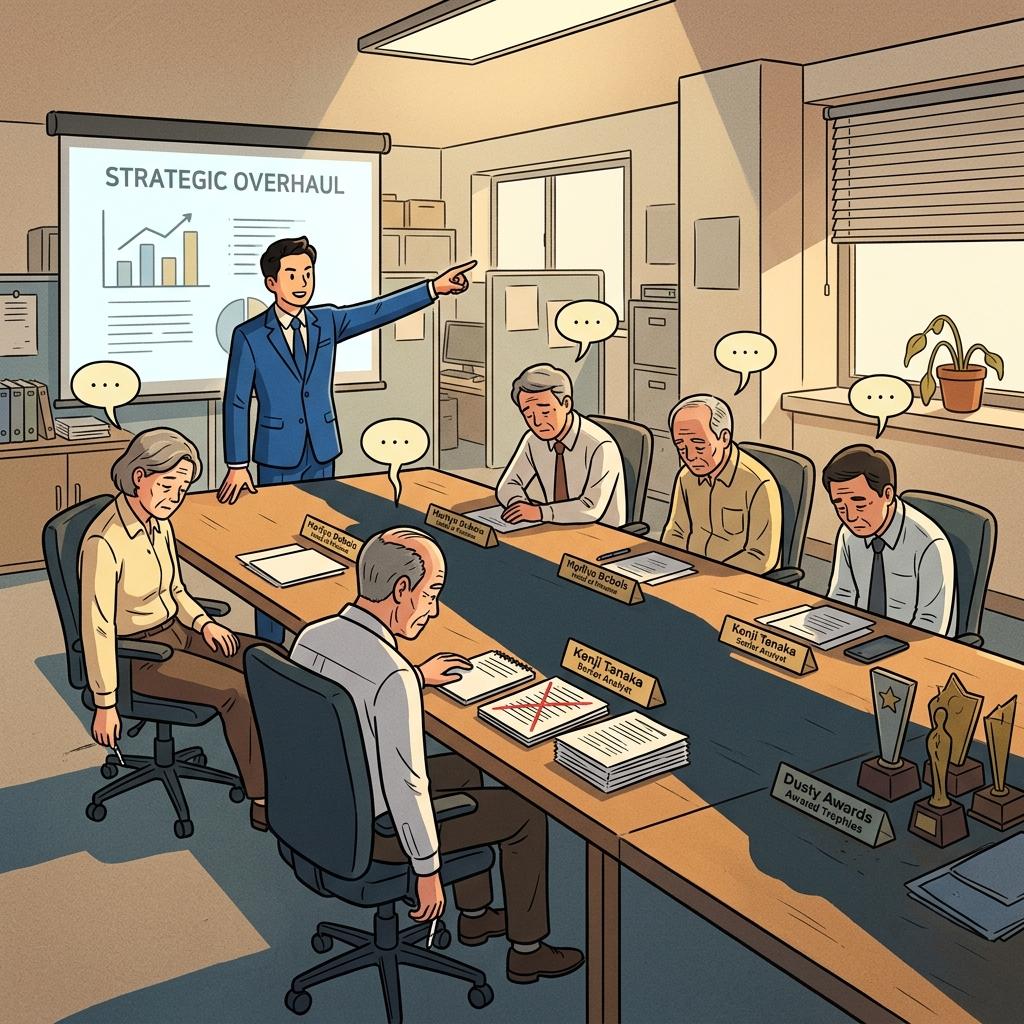
After the new manager took over, the veteran staff felt disempowered and silent.
Got the picture? Now let's practice.
🎤Pronunciation
🌳Etymology
Origin
This word combines the Latin prefix 'dis-' (meaning negation or removal) with the verb 'empower,' which itself derives from 'em-' (to put into) and 'power' (from Latin 'potere,' to be able). The formation creates an antonym: while 'empower' means to confer power or authority, 'disempower' reverses this sense to mean the removal of power or the deprivation of agency.
Breakdown
dis- (negation, removal) + em- (to put in) + power (strength, ability; from Latin potere) + -ed (past participle/adjectival suffix). The prefix 'dis-' directly negates the empowering action, rendering the subject powerless or stripped of authority.
🎵Rhyme
🔗Collocations
📝Examples
“After losing his voting rights, he felt completely disempowered, like a superhero without his cape.”
“The reform bill aims to help disempowered citizens regain their voice in local government.”
“My little brother felt disempowered every time mom took away the TV remote.”
“Civil service reform seeks to empower, not disempower, ordinary workers.”
📚Related Words
Want to master 17,000+ words?
Sign up free for flashcards & quizzes.