allegory — a story, poem, or picture that can be interpreted to reveal a hidden meaning, typically a moral or political one
Part of speech: NOUN
Definition: a story, poem, or picture that can be interpreted to reveal a hidden meaning, typically a moral or political one
Pronunciation (IPA): /ˈæləˌɡɔːri/
Example Sentences
- The teacher used the allegory of a tortoise and hare to explain that slow and steady wins the race.
- My mom's cooking disaster last night was like an allegory for my entire semester - it started well but ended in flames.
- The movie serves as an allegory for climate change, showing how greed destroys the environment.
allegory
NOUN[/ˈæləˌɡɔːri/]
a story, poem, or picture that can be interpreted to reveal a hidden meaning, typically a moral or political one

The painter's allegory shows a blindfolded woman holding scales, meaning justice itself.
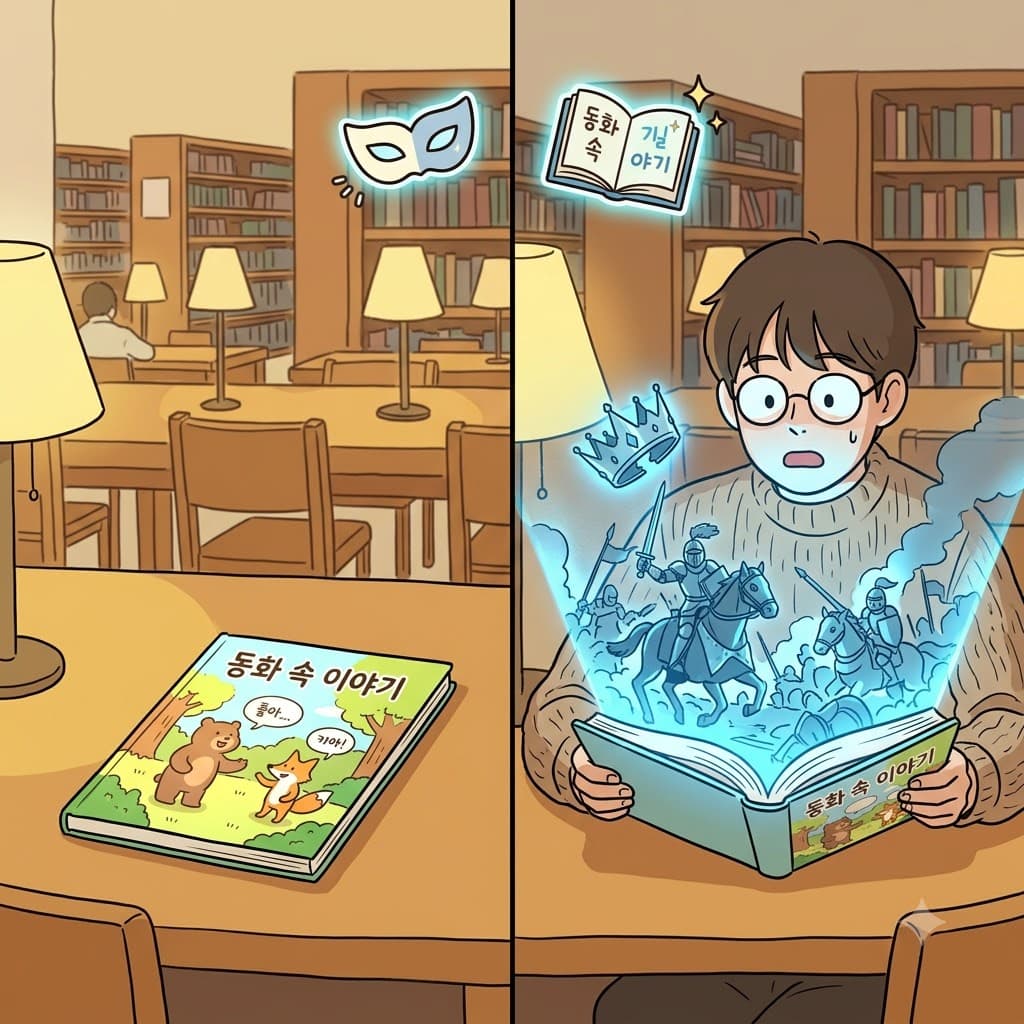
AL(another) + LEG(legend) + ORY(story) — hiding AL(another) heavy truth inside a simple animal LEG(legend), the writer created a brilliant allegory.

Instead of the children's section, the librarian shoved the pig book into the serious history category, recognizing it as a sharp political allegory.
Got the picture? Now let's practice.
🎤Pronunciation
🌳Etymology
Origin
From Greek 'allegoria', composed of 'allos' (other) and 'agoreuein' (to speak in the assembly). The word literally means 'speaking otherwise' or 'saying something other than what is meant', referring to the practice of expressing one idea through the language of another.
Breakdown
allo- (other) + -gory (from agoreuein, to speak) = allegory (speaking about something else; a narrative with hidden meaning)
🎵Rhyme
🔗Collocations
📝Examples
“The teacher used the allegory of a tortoise and hare to explain that slow and steady wins the race.”
“My mom's cooking disaster last night was like an allegory for my entire semester - it started well but ended in flames.”
“The movie serves as an allegory for climate change, showing how greed destroys the environment.”
“His dating life is basically an allegory for Murphy's Law - everything that can go wrong, will go wrong.”
📚Related Words
Want to master 27,000+ words?
Sign up free for flashcards & quizzes.