pare — to cut away the outer covering or edge of something, especially fruit or vegetables
Part of speech: VERB
Definition: to cut away the outer covering or edge of something, especially fruit or vegetables
Pronunciation (IPA): /per/
Example Sentences
- My grandmother could pare a potato in one continuous spiral.
- The budget committee decided to pare unnecessary expenses like the CEO's golden toilet seat.
- She pared her wardrobe down to just ten essential items.
pare
VERB[/per/]
to cut away the outer covering or edge of something, especially fruit or vegetables

She uses a small knife to pare the apple's skin in one long spiral.
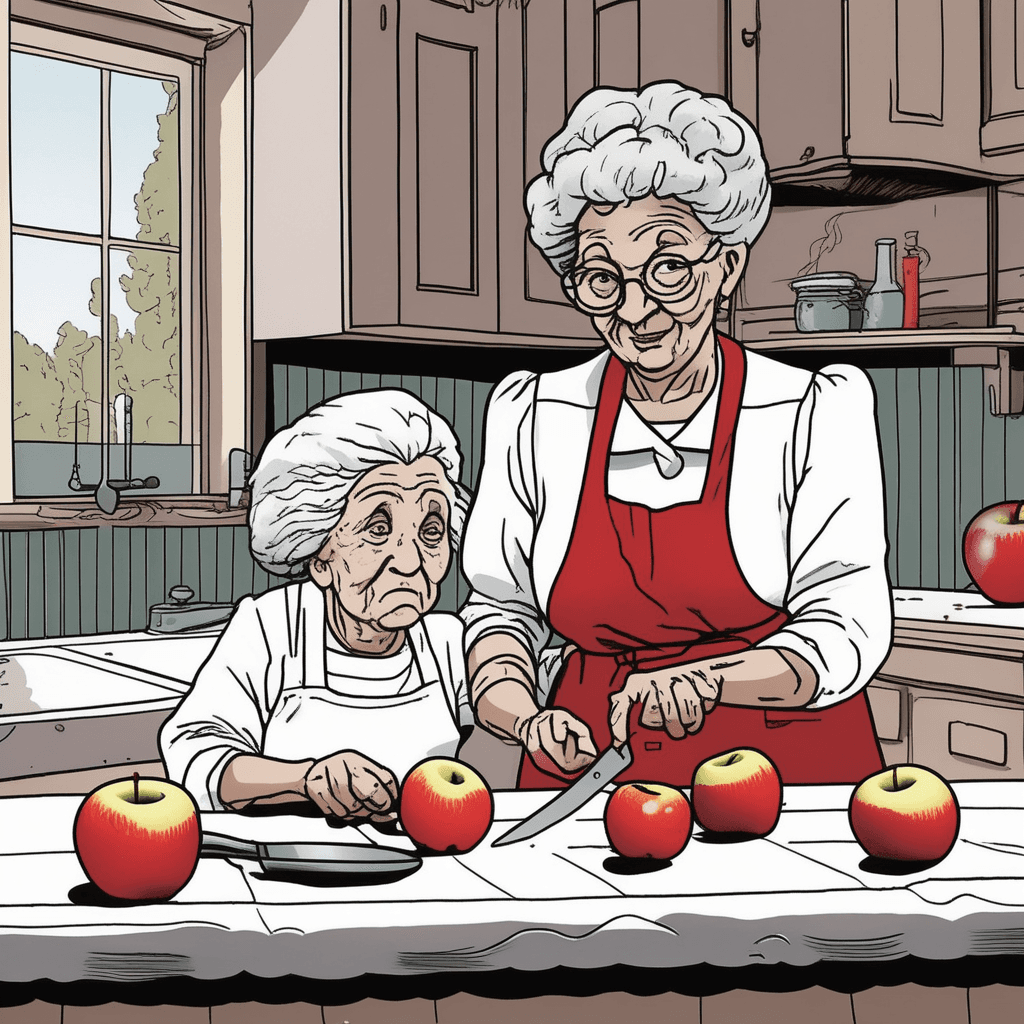
Pare with care, make a perfect pair!
Got the picture? Now let's practice.
🎤Pronunciation
🌳Etymology
Origin
From Old French 'parer' meaning 'to prepare' or 'to cut,' which derives from Latin 'parare' meaning 'to make ready' or 'to prepare.' The sense of cutting or trimming developed from the idea of preparing something by removing its outer layer.
Breakdown
pare (root verb from Old French parer) = to cut away + -∅ (zero suffix, simple verb form) = pare (to trim or remove outer covering)
🎵Rhyme
🔗Collocations
📝Examples
“My grandmother could pare a potato in one continuous spiral.”
“The budget committee decided to pare unnecessary expenses like the CEO's golden toilet seat.”
“She pared her wardrobe down to just ten essential items.”
“The chef pared the carrots so thin they looked like orange ribbons.”
📚Related Words
Want to master 27,000+ words?
Sign up free for flashcards & quizzes.