avant-garde — new and experimental ideas and methods in art, music, or literature
Part of speech: NOUN
Definition: new and experimental ideas and methods in art, music, or literature
Pronunciation (IPA): /ˌævɑːnt ˈɡɑːrd/
Example Sentences
- The chef's avant-garde cuisine included ice cream made from vegetables and soup served in edible bowls.
- Critics dismissed the avant-garde performance as pretentious nonsense.
- My grandmother thinks my avant-garde haircut makes me look like I stuck my finger in an electrical socket.
avant-garde
NOUN[/ˌævɑːnt ˈɡɑːrd/]
new and experimental ideas and methods in art, music, or literature
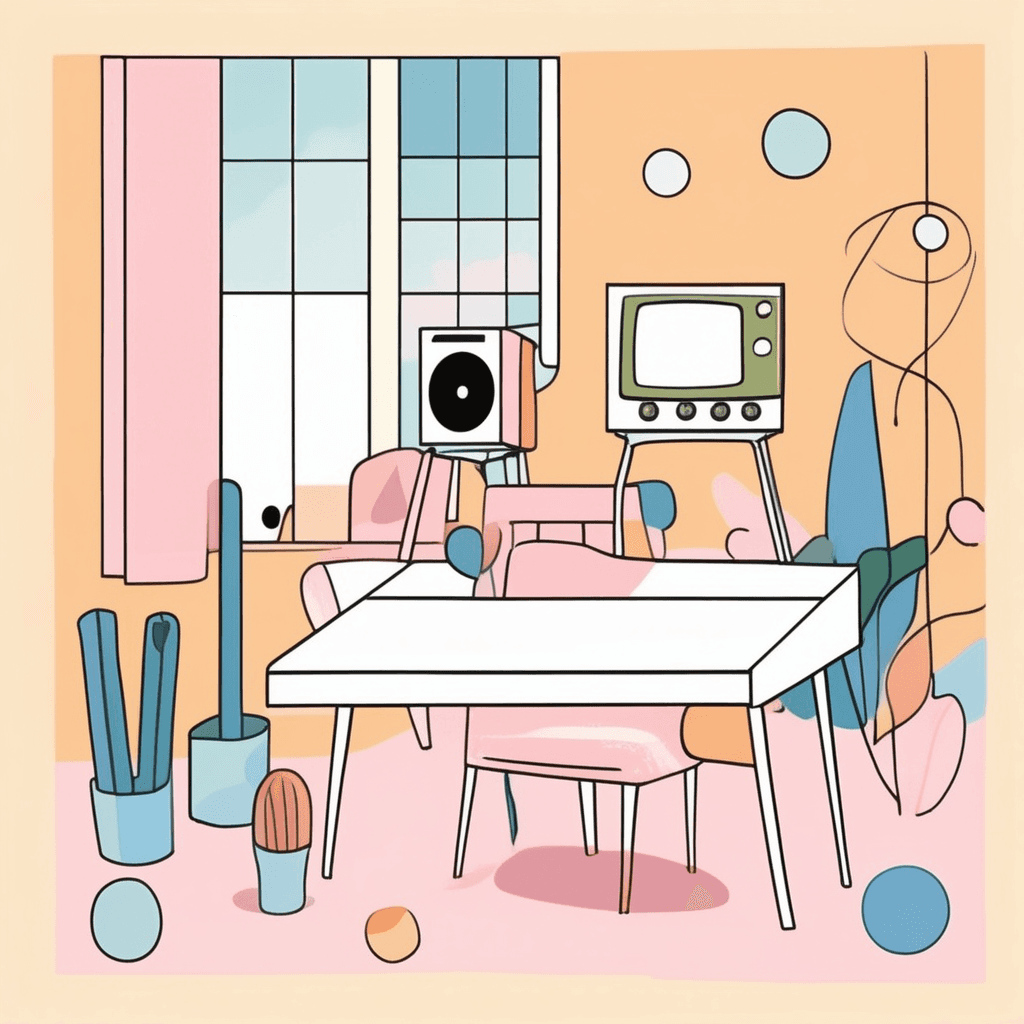
new and experimental ideas and methods in art, music, or literature
Got the picture? Now let's practice.
🎤Pronunciation
🌳Etymology
Origin
Avant-garde originates from French military terminology, where it literally denoted the 'vanguard' or 'advance guard'—the foremost troops in an army formation. The term was subsequently adopted by the artistic and literary communities in the 19th and 20th centuries to describe innovators who pioneered experimental and unconventional approaches, extending its meaning from military precedence to cultural leadership.
Breakdown
avant (before, front) + garde (guard, protection). The compound literally means 'front guard,' referring to troops positioned ahead of the main force, later metaphorically applied to artists and movements at the forefront of creative innovation.
🎵Rhyme
🔗Collocations
📝Examples
“The chef's avant-garde cuisine included ice cream made from vegetables and soup served in edible bowls.”
“Critics dismissed the avant-garde performance as pretentious nonsense.”
“My grandmother thinks my avant-garde haircut makes me look like I stuck my finger in an electrical socket.”
📚Related Words
Want to master 27,000+ words?
Sign up free for flashcards & quizzes.