relieved — feeling happy because something unpleasant has stopped or has not happened
Part of speech: ADJECTIVE
Definition: feeling happy because something unpleasant has stopped or has not happened
Pronunciation (IPA): /rɪˈliːvd/
Example Sentences
- She was relieved when her cat finally came down from the tree after three days.
- I felt relieved after confessing to my parents that I accidentally broke their favorite vase.
- The teacher looked relieved when she realized the fire alarm was just a drill, not a real emergency.
relieved
ADJECTIVE[/rɪˈliːvd/]
feeling happy because something unpleasant has stopped or has not happened
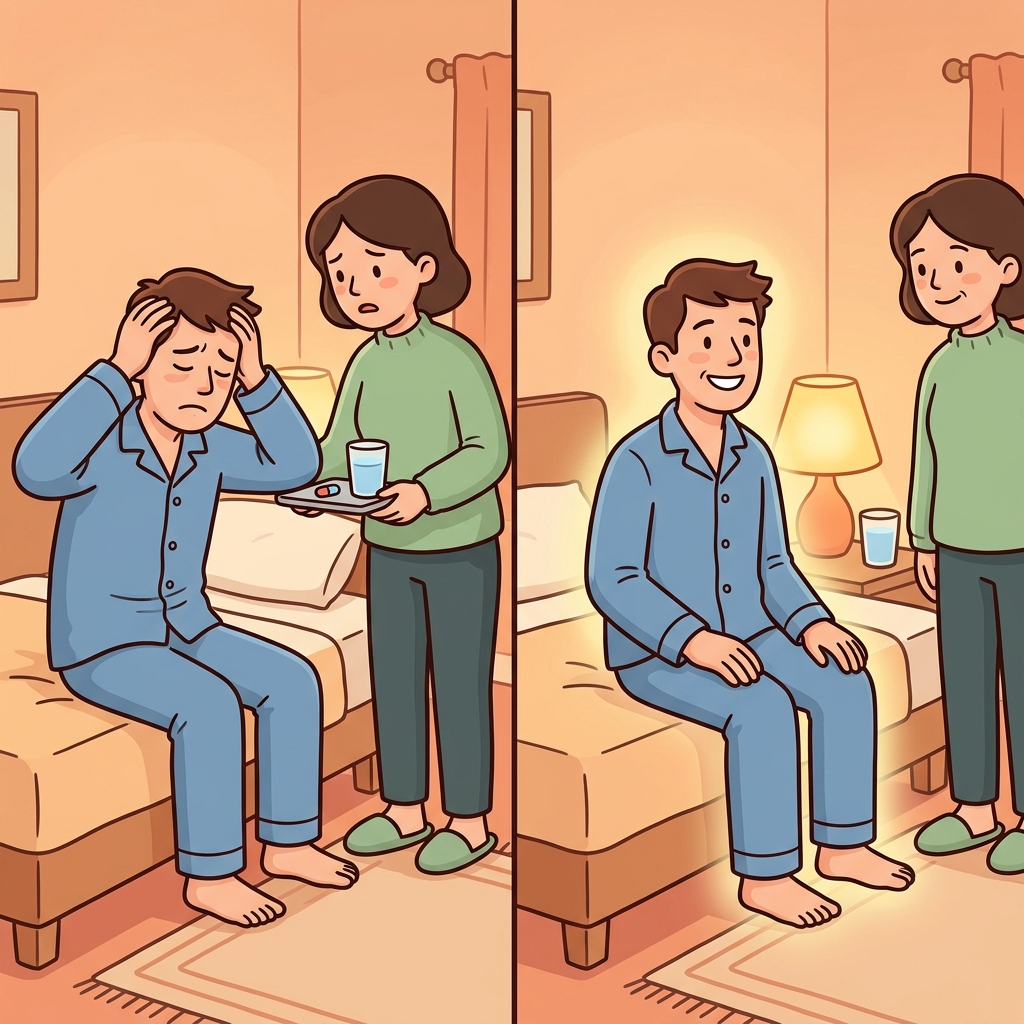
The man looked relieved after his headache finally went away.

The runner looked relieved after drinking the cool water. (RE-LEAVED → having left the pain behind and feeling better)
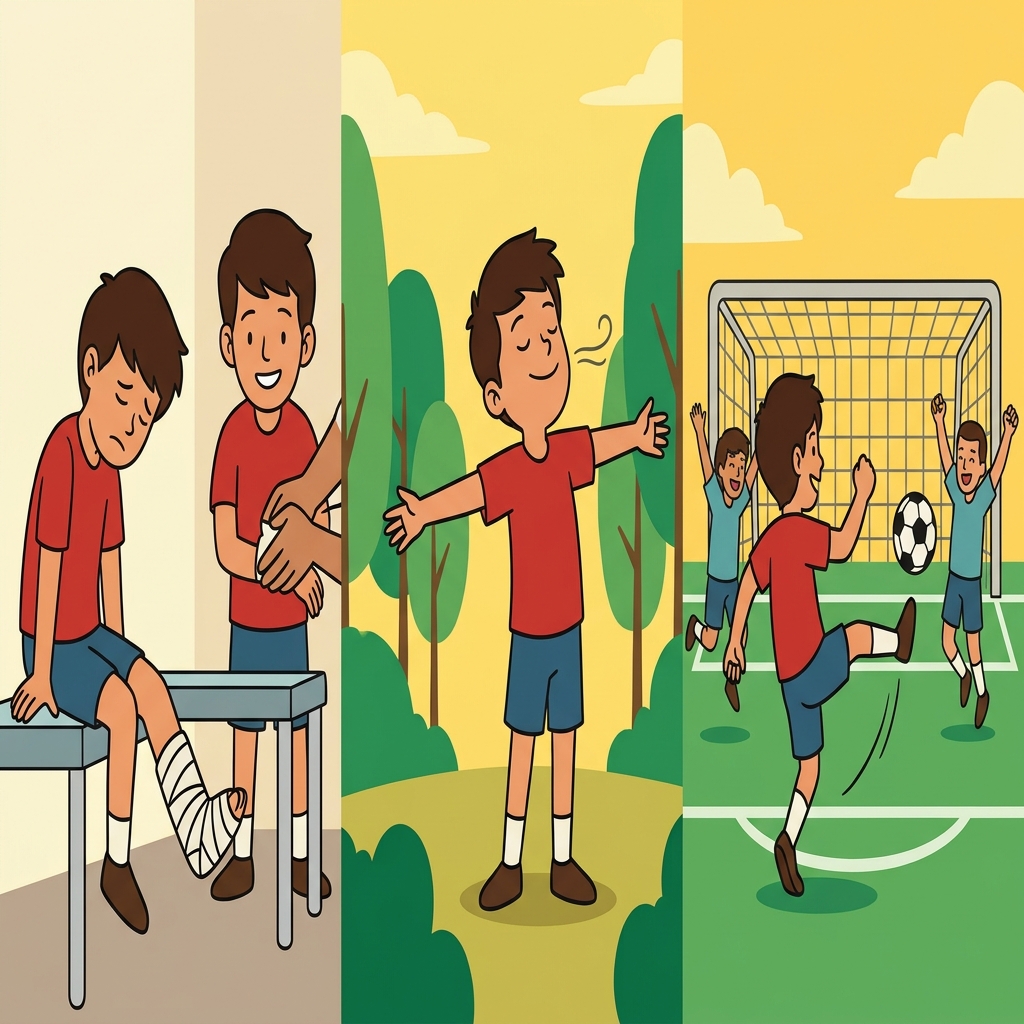
Feeling relieved, he breathed deeply and went on to achieve his goal.
Got the picture? Now let's practice.
🎤Pronunciation
🌳Etymology
Origin
Derived from Latin 'relevare', meaning 'to lift up again' or 'to raise'. The word evolved semantically from the physical sense of lifting a heavy burden to the abstract meaning of alleviating distress, pain, or emotional burden.
Breakdown
re- (again) + levare (to lift, to raise) + -ed (past participle). The prefix 're-' indicates repetition or return to a state, while 'levare' derives from Latin 'levis' (light in weight).
🎵Rhyme
🔗Collocations
📝Examples
“She was relieved when her cat finally came down from the tree after three days.”
“I felt relieved after confessing to my parents that I accidentally broke their favorite vase.”
“The teacher looked relieved when she realized the fire alarm was just a drill, not a real emergency.”
“He was relieved to discover that the strange noise in his house was just his robot vacuum, not a burglar.”
📚Related Words
Synonyms
Antonyms
Related
Want to master 19,000+ words?
Sign up free for flashcards & quizzes.